
When you hear certification programs, structured training paths that prove you’ve mastered specific job-ready skills. Also known as professional credentials, they’re not just pieces of paper — they’re proof you can do the work, not just talk about it. In the UK, employers across manufacturing, tech, healthcare, and logistics are shifting away from degrees and toward certifications that match real tasks on the job. A certification doesn’t just say you studied something — it says you can fix a machine, run a CRM, train a team, or pass a safety audit.
What makes a certification useful? It’s built on competency mapping, the process of linking training content directly to actual job duties. If a certification doesn’t map to what people do every day, it’s just theory. That’s why top programs — like the NASM certification, a trusted credential for personal trainers across UK gyms — focus on hands-on assessments, not multiple-choice tests. These programs use tools like LMS automation, systems that deliver certificates, track progress, and sync data without manual work to keep things fair, fast, and scalable. Companies use these systems to train hundreds of staff at once, while still knowing who’s truly ready for the job.
It’s not just about getting a badge. It’s about what happens after you earn it. Certification programs that work reduce errors, boost confidence, and cut down on retraining. They help small businesses prove they meet industry standards. They help freelancers stand out in crowded markets. And for teams, they turn scattered knowledge into consistent performance. Whether you’re a trainer, a manager, or someone trying to switch careers, the right certification cuts through the noise — if it’s built right.
Below, you’ll find real guides on how these programs are made, how they’re delivered, and what actually makes them stick. From legal compliance and accessibility rules to how to turn training into measurable results — no fluff, just what works.
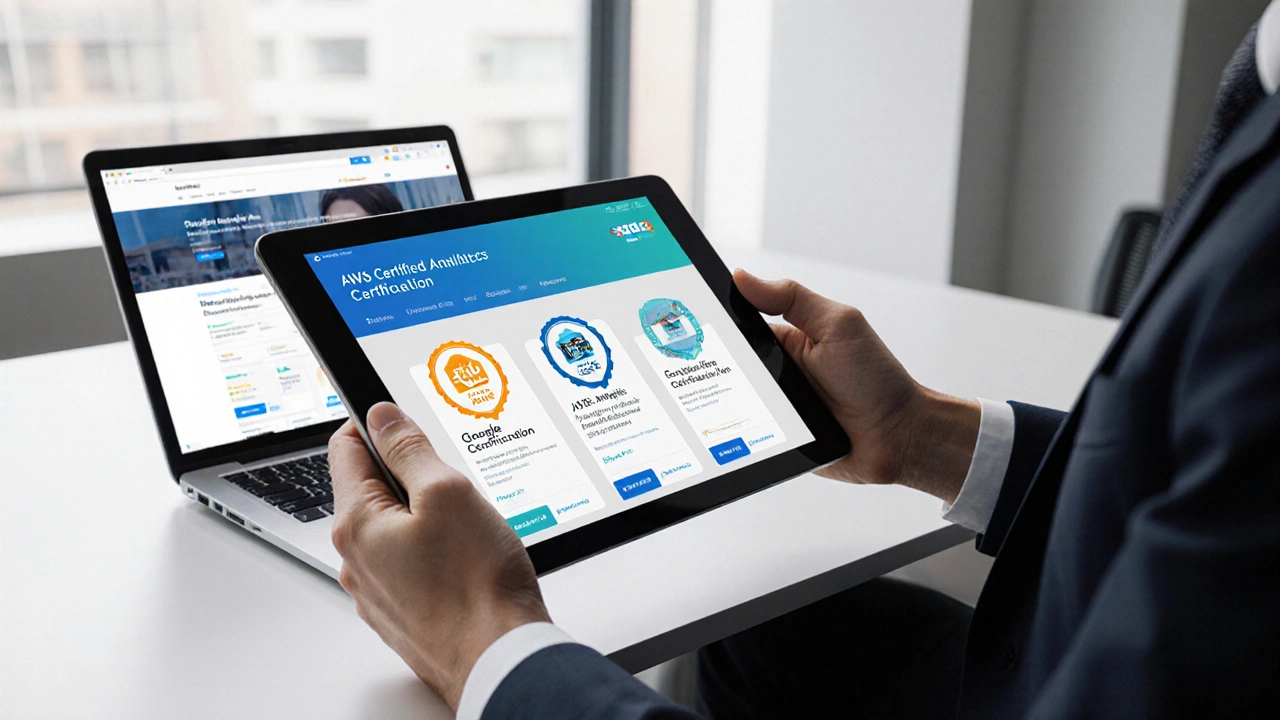
Discover the most respected industry certifications across IT, finance, healthcare, HR, and marketing. Learn which ones actually move the needle in your career and how to choose the right one for your goals.
© 2026. All rights reserved.