
When you think of online courses, structured learning experiences delivered over the internet, often with video, quizzes, and interactive tools. Also known as e-learning, they’re no longer just for students—they’re how companies train teams, freelancers build skills, and professionals get certified without quitting their jobs. The best ones don’t just hand you videos and call it a day. They use LMS automation, systems that automatically handle enrollments, reminders, and certificate delivery using tools like webhooks to keep learners on track. They include accessible learning, materials designed so people with disabilities can fully participate, from screen-reader-friendly PDFs to captioned videos. And they’re built around real outcomes—not just completion rates, but actual skill gains and behavior change.
Not all online courses are created equal. Some are fluff. Others? They’re the reason someone landed a new job, got promoted, or scaled their business. Take certification programs, formal credentials backed by industry standards like NASM or accredited bodies that prove you’ve mastered a skill. These aren’t just badges on LinkedIn—they’re gatekeepers in fields like healthcare, IT, and finance. Meanwhile, corporate training, structured learning programs bought in bulk by companies to upskill entire teams is shifting from one-size-fits-all lectures to targeted, data-driven modules that track real performance improvements. You can’t just throw a course at employees and hope they learn. You need clear goals, measurable KPIs, and tools that nudge people to stay engaged—like streaks, reminders, and progress trackers.
What’s missing from most online learning? Real structure. Too many courses assume you’ll figure out how to take notes, stay consistent, or apply what you’ve learned. But the most effective ones give you worksheets, step-by-step playbooks, and SOPs that turn knowledge into action. They solve problems like cross-border data rules under GDPR, or how to make sure your course materials work for everyone—not just the tech-savvy. And they don’t ignore the legal side: inaccessible courses can land you in court. That’s why the smartest providers bake accessibility into their design from day one.
Whether you’re a business owner looking to train your team, a freelancer trying to stand out, or someone switching careers, the right online course can change your trajectory. But only if it’s built the right way. Below, you’ll find real guides on how to build, choose, and use online courses that actually work—not just check a box. No theory without practice. No fluff without results.
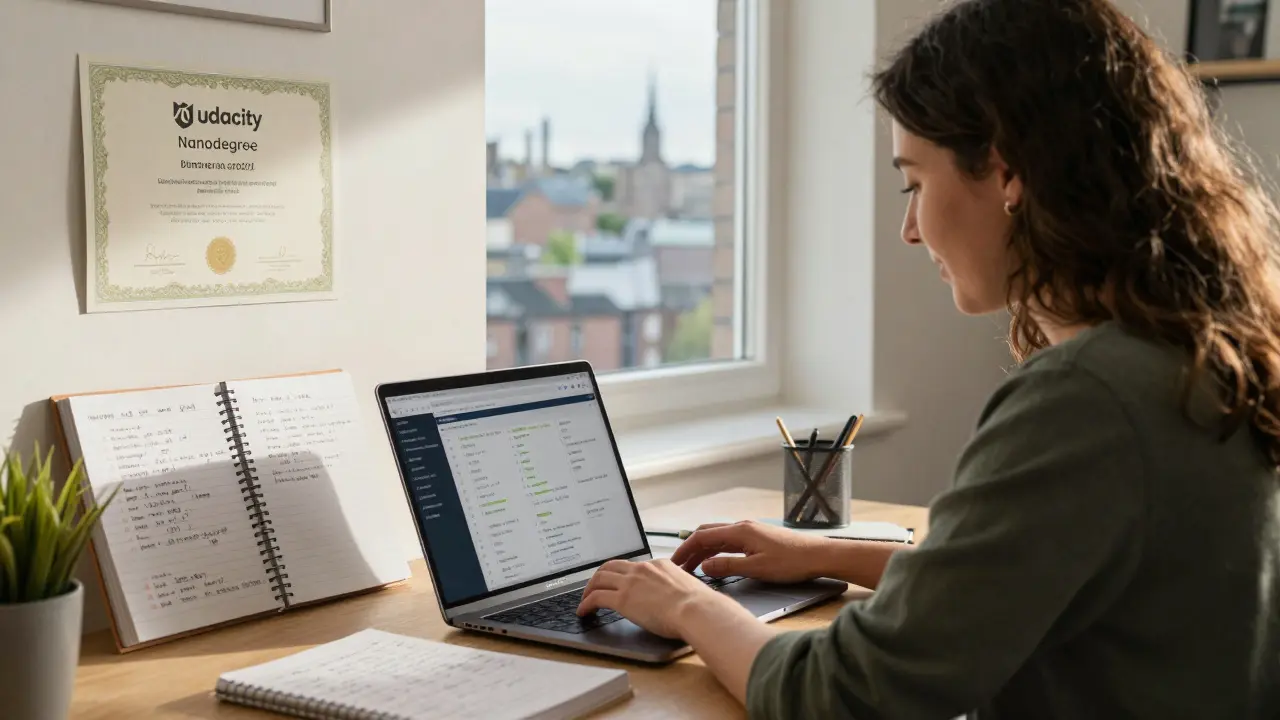
Udacity and Coursera both offer online courses, but only one is built for career changers looking to land tech jobs. Learn how they differ in cost, support, projects, and job outcomes.
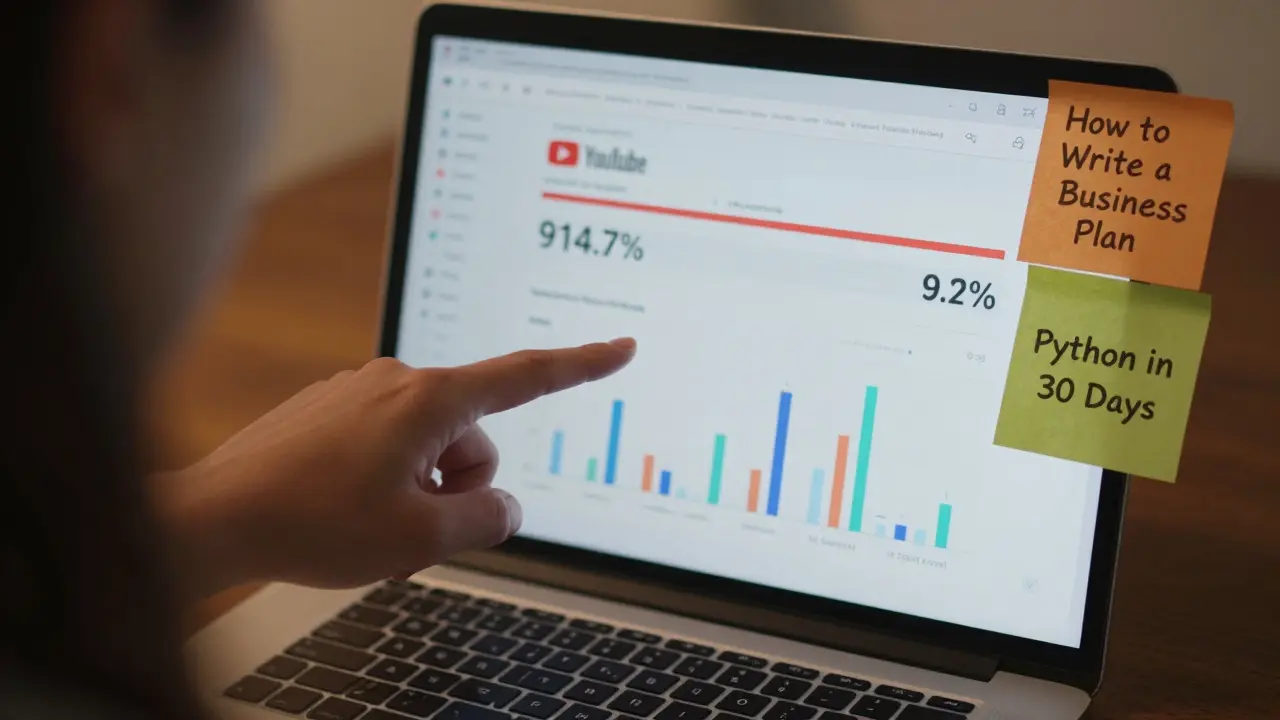
Learn how to use YouTube SEO to grow your educational channel and turn viewers into paying students. Discover keyword strategies, thumbnail tips, and how to structure content that drives course sales.

Gamification boosts online course completion by turning learning into a rewarding journey. Use progress bars, badges, and meaningful challenges to keep learners motivated and reduce dropouts.
© 2026. All rights reserved.