
When you think of borrowing money, you probably picture a bank, paperwork, and waiting days for approval. But Aave, a decentralized finance protocol that lets users lend and borrow crypto assets directly from a smart contract. Also known as a crypto lending platform, it removes intermediaries and lets anyone with internet access participate in global credit markets. Unlike traditional loans, Aave doesn’t check your credit score—it uses collateral you already hold. If you own ETH or USDC, you can lock it up and instantly borrow other assets, often at lower rates than banks offer.
Aave isn’t just about borrowing. It’s also a place where people earn interest just by depositing crypto. This is called liquidity provision, and it’s the engine behind DeFi. When you deposit ETH into Aave, you’re not just sitting on it—you’re lending it to others and earning yield. The protocol automatically adjusts rates based on supply and demand, so when more people want to borrow, rates go up. This creates a real-time market for capital, no middleman needed. It’s the same idea as a savings account, but instead of a bank taking a cut, you keep most of the returns. And because it runs on Ethereum and other blockchains, you can move your funds anywhere in the world in minutes.
Aave’s design also handles risk differently. If the value of your collateral drops too much, the system automatically sells part of it to cover the loan—no calls, no notices, no late fees. This is called liquidation, and it’s built into the code. It’s not perfect, but it’s transparent. You always know the rules before you start. That’s why so many DeFi users rely on Aave for short-term cash flow, arbitrage, or even to avoid selling their crypto during a market dip. It’s also integrated with other protocols like Uniswap and Curve, letting you chain together loans, swaps, and yield strategies in one workflow.
You’ll find posts here that dig into how Aave interacts with liquidity pools, how to manage the risks of borrowing in volatile markets, and how users are combining it with other DeFi tools to boost returns. Some cover tax implications—like when interest earned on deposited assets becomes taxable. Others explain how to use Aave’s flash loans, a unique feature that lets you borrow millions without collateral, as long as you pay it back in the same transaction. These aren’t theoretical guides. They’re written by people who’ve done it, lost money on it, and figured out how to make it work.
Whether you’re new to DeFi or already using Aave, the posts below give you the real-world context you won’t find in marketing pages. No fluff. No hype. Just what works, what doesn’t, and how to stay safe while using it.
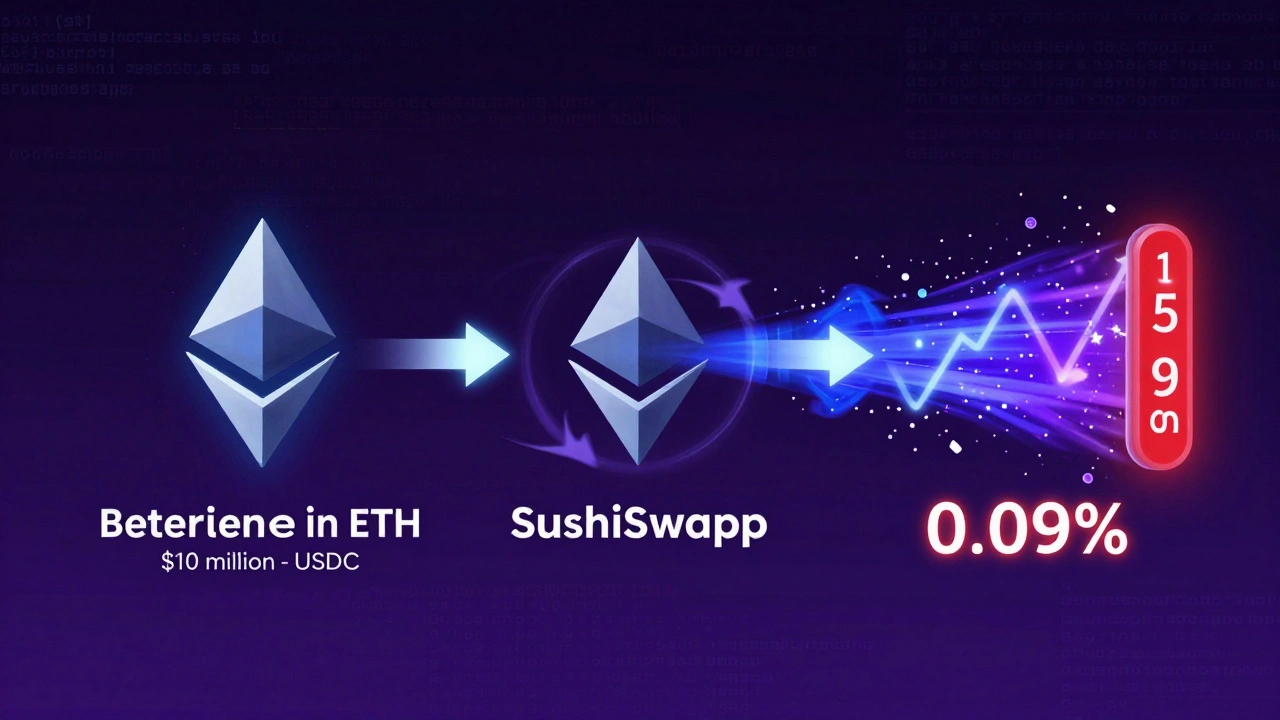
Flash loans let users borrow crypto without collateral-repaying it all within one blockchain transaction. Used for arbitrage, liquidations, and collateral swaps, they're powerful but risky. Aave dominates the space, with $15B+ in volume in 2022.
© 2026. All rights reserved.