
When you buy an Adidas metaverse NFT, a unique digital token tied to a virtual sneaker or apparel item, verified on a blockchain. Also known as digital collectible, it’s not just a picture—it’s proof you own something that exists in virtual spaces like Decentraland or The Sandbox. Unlike physical sneakers, these aren’t meant to be worn on your feet. They’re meant to be shown off, traded, or used inside online worlds where your avatar walks around in digital gear you actually own.
These NFTs are part of a bigger shift: blockchain collectibles, digital items with verifiable scarcity and ownership tracked on public ledgers. Brands like Adidas aren’t just jumping on a trend—they’re building new ways to connect with customers who spend more time online than in stores. Your NFT isn’t just a logo on a screen. It can unlock exclusive events, early product access, or even real-world rewards. That’s why they’re tied to metaverse fashion, virtual clothing and accessories designed for use in 3D online environments, not just static images.
What makes this different from buying a digital image? It’s the ownership. If you own an Adidas metaverse NFT, you can sell it, gift it, or even use it across platforms—if the system allows it. That’s the power of digital ownership, the ability to control, transfer, and prove possession of an asset without relying on a company’s database. No more waiting for a brand to update your access. You hold the key.
There’s no magic here. It’s code. It’s a ledger. It’s a contract that says, "This item belongs to you." And while some NFTs crash in value, the real innovation isn’t speculation—it’s control. Brands like Adidas are testing how digital goods can build loyalty, not just profits. You’re not just buying a sneaker. You’re buying a ticket to a new kind of community.
What you’ll find in the posts below aren’t hype pieces or fluff. They’re real breakdowns of how digital ownership works, how brands use blockchain to connect with customers, and what happens when fashion meets code. You’ll see how NFTs fit into larger trends like virtual economies, digital identity, and the future of retail—without the buzzwords.
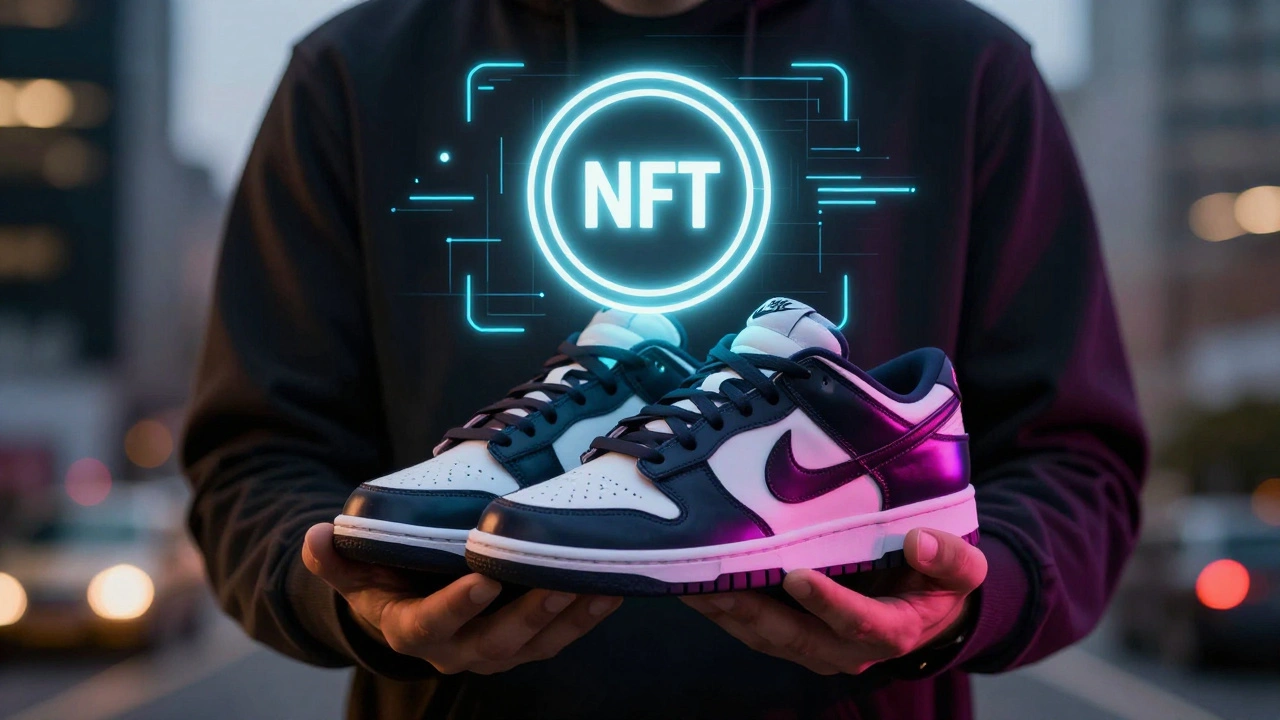
Real case studies of Nike, Adidas, Starbucks, and Gucci's NFT collaborations show how brands are using digital tokens to build loyalty-not just sell JPEGs. Learn what worked, what failed, and why utility matters more than speculation.
© 2026. All rights reserved.