
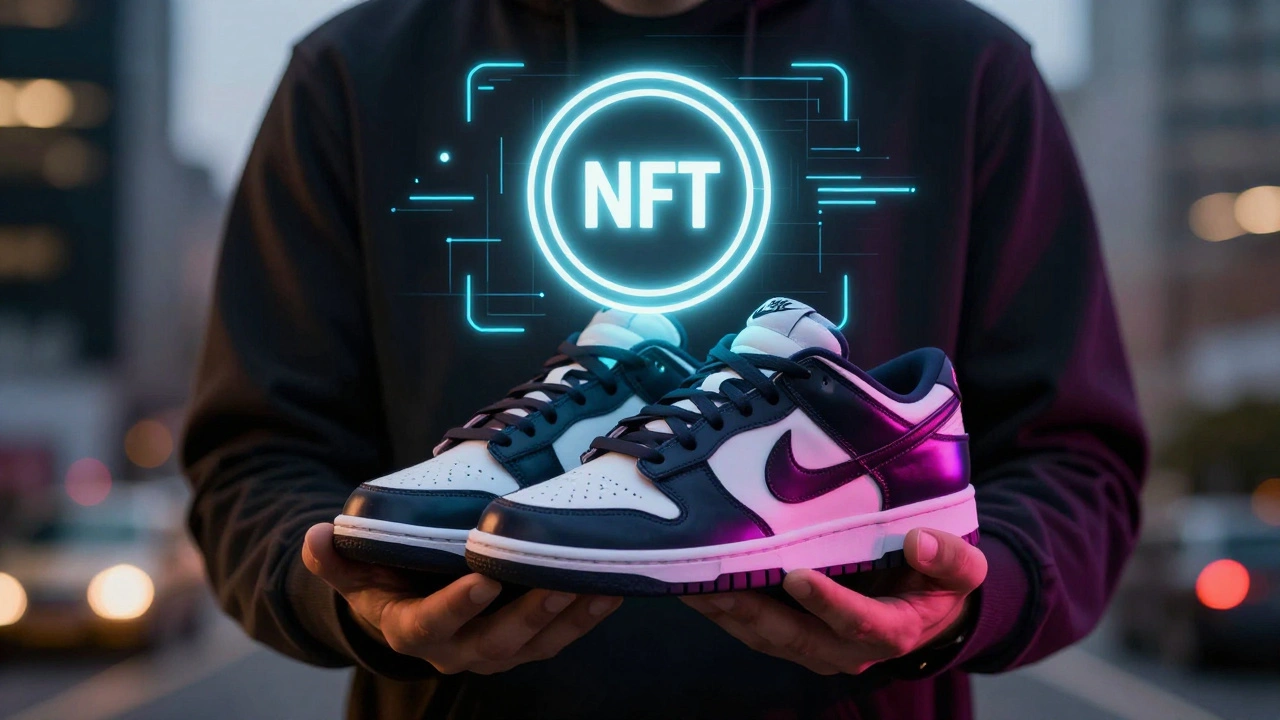
When brands started jumping into NFTs, many people thought it was just a flashy way to sell JPEGs. But the reality? The most successful collaborations didn’t sell art-they sold access, community, and real-world value. By 2023, over 75% of the world’s top 100 brands had launched an NFT project. But only a handful actually delivered on their promises. Here’s what worked, what failed, and why.
Nike’s CryptoKicks: Turning Digital Ownership into Real-World Value
Nike didn’t just drop NFTs-they rebuilt how sneakers are bought, owned, and traded. Their .SWOOSH platform, launched in 2022, lets users mint digital sneakers that unlock access to physical products. The key? Every NFT is tied to a real pair of shoes. Holders get early access to limited drops, exclusive customization options, and even resale verification through StockX. The result? NFT-authenticated sneakers resell for 37% more than non-authenticated ones. That’s not speculation-it’s proof of ownership adding tangible value. What made Nike different? They didn’t force users into crypto wallets. Instead, they let people sign up with email, then guided them through wallet setup step-by-step. Their tutorial reduced support tickets by 63%. And they didn’t stop at one drop. Nike releases new digital sneakers every few months, keeping the community engaged. Their strategy wasn’t about flipping JPEGs. It was about building a lifelong relationship with sneakerheads.Adidas and the Bored Ape Effect: Community Is Everything
Adidas’ Into the Metaverse collection didn’t just sell NFTs-it bought into a movement. By partnering with Bored Ape Yacht Club (BAYC), PUNKS Comic, and gmoney, Adidas tapped into existing crypto communities that already trusted each other. The result? $24 million in sales within six hours. But the real win wasn’t the money-it was the community. Adidas didn’t just hand out digital art. They gave holders access to real-world perks: a physical hoodie, invites to exclusive events, and a private Discord server. Over 82% of holders said they felt a real connection to the brand. But it wasn’t perfect. In the first month, 1,200 members were banned from Discord for breaking moderation rules. That backlash showed how fragile community trust can be. Still, the project worked because Adidas treated NFT holders like members, not customers.Starbucks Odyssey: Loyalty Programs, But on the Blockchain
Starbucks didn’t need to chase crypto enthusiasts. They had 32 million Rewards members-most of whom had never used a crypto wallet. So they built Odyssey with email sign-ups, not private keys. Members earn NFTs (called “Odyssey stamps”) by completing simple tasks: buying coffee, leaving reviews, or sharing feedback. These stamps unlock digital collectibles, exclusive merchandise, and even VIP experiences like coffee tastings with baristas. The data speaks for itself. Starbucks Odyssey members increased their purchase frequency by 28% in the first six months. That’s more than any loyalty program in the company’s history. The secret? No speculation. No flipping. Just consistent, low-friction rewards tied to real behavior. And by using Polygon instead of Ethereum, they kept gas fees under $0.02 per transaction. For a brand with millions of non-tech users, that was the difference between success and chaos.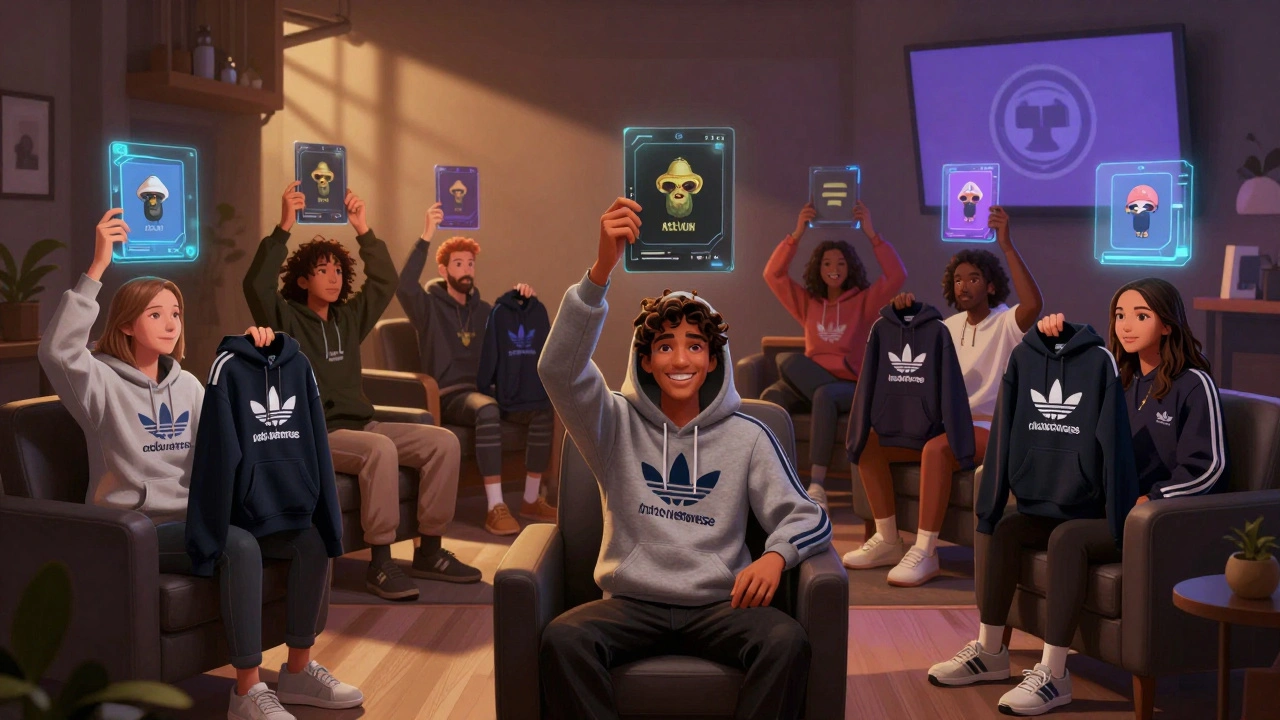
Dolce & Gabbana and Gucci: Luxury, Not Just Pixels
Luxury brands took a different approach. Dolce & Gabbana’s Collezione Genesi sold 9 NFTs for a total of $5.7 million. Each one came with a physical suit hand-stitched in Italy, delivered in a custom box. The average price? $55,000 per piece. This wasn’t about digital fashion-it was about owning a piece of art with real craftsmanship. Gucci’s SUPERGUCCI collection went even further. Each NFT came with an 8-inch white ceramic sculpture made by Italian artisans. Buyers didn’t just get a digital image-they got a museum-quality object. These weren’t collectibles for resale. They were heirlooms. And they worked. Gucci’s NFT holders spent 42% more on physical products than non-holders. The message? For luxury, digital doesn’t replace physical-it elevates it.Failures: When Brands Promised Too Much
Not every brand got it right. Taco Bell’s NFTacoPass in March 2022 promised a free taco for NFT holders. But the platform crashed during the sale. Over 62% of qualified buyers couldn’t complete their purchase. The backlash was immediate. Social media exploded. The taco offer was canceled. The brand’s reputation took a hit. Gap’s NFT collection in 2021 sold 10,000 digital T-shirts for $10 each. But there was no utility. No events. No physical items. No updates. Within nine months, the NFTs lost 92% of their value. People didn’t feel cheated because the price was high-they felt cheated because the promise was empty. The pattern is clear: brands that treated NFTs as a one-time marketing stunt failed. Those that built ongoing value succeeded.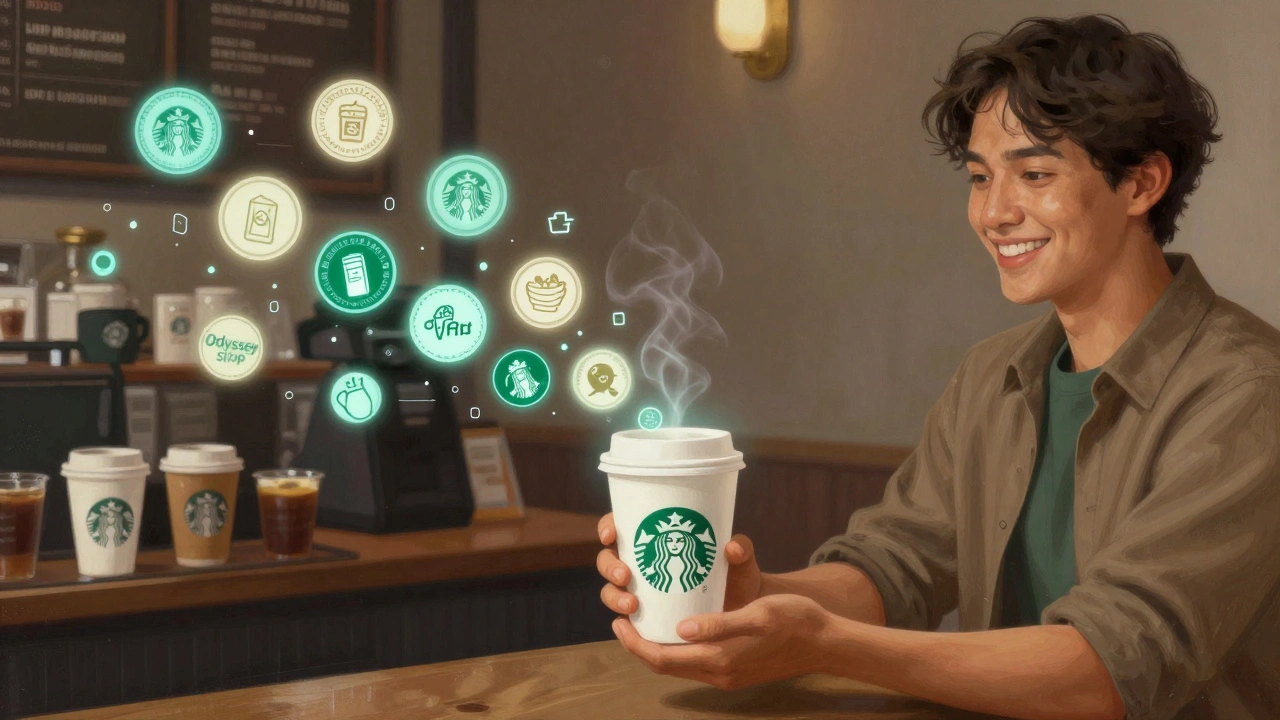
The Winning Formula: Utility First, Collectibility Second
The most successful NFT collaborations share five traits:- Clear utility: Access to products, events, or services-not just art.
- Seamless onboarding: Email sign-ups, no crypto knowledge required.
- Real-world integration: Digital NFTs unlock physical rewards.
- Community focus: Private Discord servers, AMAs, member-only drops.
- Consistent updates: New features, not one-and-done drops.
What’s Next? AI, Sustainability, and Standards
By late 2023, 61% of new brand NFT projects included AI elements. Nike now lets .SWOOSH members generate custom sneaker designs using AI tools. Starbucks uses AI to recommend Odyssey stamps based on user behavior. Sustainability is no longer optional. 74% of 2023 NFT launches included carbon offsets. Campbell’s partnership with Aerial set the standard-every mint was neutralized. And now, the industry is standardizing. The Brand NFT Alliance, formed in August 2023, includes Nike, Gucci, and Adidas. They’re working with law firms to create rules for IP rights, refunds, and transparency. This isn’t the wild west anymore. It’s becoming a real business channel.Final Takeaway: NFTs Are Not the Product. The Relationship Is.
Brands that won didn’t sell NFTs. They sold belonging. Nike didn’t sell digital sneakers-they sold a lifetime of access. Starbucks didn’t sell stamps-they sold recognition. Adidas didn’t sell JPEGs-they sold a club. The future of brand-NFT collaborations isn’t about flipping art. It’s about turning customers into members. And that’s something no marketing budget can buy.Do brand NFTs still have value in 2025?
Yes-but only if they offer real utility. NFTs tied to physical products, event access, or loyalty rewards still hold value. Those created purely for speculation have lost most of their worth. The market has matured: 83% of active brand NFTs in 2025 now provide concrete benefits like early product access, exclusive content, or community governance.
Can I buy brand NFTs without a crypto wallet?
Absolutely. Leading brands like Starbucks, Nike, and Adidas now allow email sign-ups. Your wallet is created automatically behind the scenes. You don’t need to understand blockchain to participate. The goal is to remove friction for non-crypto users-over 78% of 2023 brand NFT projects now offer this option.
Why did some NFT collaborations fail?
Most failed because they overpromised and underdelivered. Brands like Gap and Taco Bell treated NFTs as one-time marketing stunts, not long-term relationships. They didn’t provide ongoing utility, delayed physical rewards, or ignored community feedback. Projects that promised metaverse access but never delivered saw resale values drop by up to 98.7%. The lesson? Don’t sell a dream-sell something real.
Are brand NFTs a good investment?
Not if you’re looking for quick profits. The days of flipping NFTs for 10x returns are over. But if you’re a loyal customer who values exclusive access-like early sneaker drops, VIP events, or limited merchandise-then yes. The value is in the experience, not the resale price. Nike’s CryptoKicks holders, for example, gain higher resale value on physical sneakers, not the NFT itself.
Which brands are leading in NFT collaborations today?
Nike leads in sportswear with 22% market share, Starbucks dominates retail loyalty with 37% penetration among Rewards members, and Gucci holds 18% in luxury fashion. Adidas remains strong in community-driven drops. These brands succeed because they integrate NFTs into their core business-not as side projects, but as part of customer engagement strategy.
Do I need to spend a lot of money to join a brand NFT project?
No. While luxury brands like Dolce & Gabbana sold NFTs for tens of thousands, many others offer free or low-cost entry. Starbucks Odyssey stamps are earned through purchases, not bought. Nike’s early drops started at under $50. The trend is toward accessibility: 68% of 2023 projects had entry points under $100, and 42% were completely free to claim with email.

Comments (15)
anoushka singh December 8 2025
I just don't get why anyone cares about digital sneakers. I mean, I have actual shoes that don't need a blockchain to tell me they're mine. Also, why am I supposed to care about a JPEG that says 'limited edition'? I'm not even mad, just confused.
Jitendra Singh December 9 2025
Actually, I think Nike's approach is smart. They made it easy for people like me who don't know crypto to still feel part of something. I got my first digital sneaker through email, and now I actually check their drops every month. It's not about flipping-it's about being in the loop.
Madhuri Pujari December 10 2025
Oh wow, another 'brand NFTs are revolutionary' article. Let me guess-next you'll tell us that Starbucks' stamps are 'empowering'? Please. The only thing these companies care about is extracting more data and making you feel guilty for not buying their overpriced coffee. And don't even get me started on 'community'-it's just a fancy word for paid moderators and shadowbanned users.Sandeepan Gupta December 12 2025
Madhuri, you're right that some of this feels like marketing fluff-but you're missing the point. The real win here is accessibility. Starbucks didn't need to teach 32 million people how to use MetaMask. They just gave them rewards for being loyal customers. That's not manipulation-that's good UX. And the fact that they're using Polygon? Smart. Low fees mean real adoption.
Tarun nahata December 12 2025
YOOOOO this is FIRE!! 🚀 Nike didn’t just sell shoes-they sold belonging. Adidas didn’t sell art-they sold a secret club. Starbucks didn’t sell coffee-they sold a VIP pass to your own hype train. This isn’t Web3. This is WE-3. We’re the ones who show up, who collect stamps, who wait in line for drops. The blockchain? Just the invisible hand holding the door open. Let’s goooooo!!!
Aryan Jain December 14 2025
They're all controlled by the same few investors. You think Nike and Gucci are doing this for 'community'? Nah. They're preparing for the Great Reset. Every NFT you buy is a fingerprint. Soon, your coffee loyalty points will be tied to your government ID. They want you addicted to digital tokens so they can track your every move. Wake up. This isn't innovation-it's surveillance with a hoodie.
Agni Saucedo Medel December 15 2025
I love how Starbucks made it so easy 😊 I didn’t even know what a wallet was until I got my first stamp. Now I’m hooked-just for the free merch and the barista AMAs. No crypto stress, just good vibes. Also, the ceramic mug I got? Still on my desk. So cute. 🫶
ANAND BHUSHAN December 16 2025
Most of these brands just want you to spend more. The NFTs are just a shiny wrapper. But honestly? I don’t care. I got a free hoodie from Adidas and now I wear it all the time. If they want my data to give me free stuff, fine. I’m not rich, but I’m not broke either. This works for me.
Indi s December 17 2025
Just wanted to say I really appreciated how you broke this down. I used to think NFTs were all scams, but seeing how Nike and Starbucks actually built something useful changed my mind. Not because I want to flip them, but because I actually feel like I belong somewhere now.
Rohit Sen December 17 2025
Nike didn’t sell sneakers. They sold FOMO. Starbucks didn’t sell coffee. They sold guilt. And Gucci? They sold a tax write-off for rich people. The only thing that worked here is capitalism.Vimal Kumar December 19 2025
Hey, if you're new to this-don't panic. A lot of people think NFTs are only for tech bros, but the brands that got it right made it feel like joining a fan club, not a stock exchange. You don’t need to understand blockchain. Just show up, do the small things, and see what unlocks. It’s like loyalty points, but cooler.
Amit Umarani December 20 2025
There are multiple grammatical errors in your post. 'They didn’t just drop NFTs-they rebuilt'-missing space after the hyphen. 'Their tutorial reduced support tickets by 63%'-should be 'their' lowercase. And you wrote 'NFTs tied to physical products, event access, or loyalty rewards still hold value'-no Oxford comma. This isn't a draft. It's a published article. Fix it.
Noel Dhiraj December 21 2025
People keep acting like NFTs are some new thing but honestly this is just the next step in loyalty programs. Remember punch cards? Same idea. Just now instead of getting a free coffee after 10 buys, you get a digital stamp that gets you a limited shirt. And yeah, it’s better because you can show off your collection. No need to overcomplicate it.
vidhi patel December 22 2025
It is imperative to note that the use of the term 'JPEG' in reference to NFTs is both linguistically reductive and semantically inaccurate. An NFT is not the image; it is the cryptographic token that verifies ownership of a digital asset. The image is merely the metadata. To conflate the two is to demonstrate a fundamental misunderstanding of blockchain technology. This article, while superficially informative, perpetuates this misconception.
Priti Yadav December 24 2025
Wait… so Nike is using blockchain to track your sneaker purchases… and Starbucks is using it to track your coffee habits… and Gucci is using it to lock you into their ecosystem… and you think this is progress? This isn’t innovation. This is a trap. They’re turning your loyalty into a digital leash. One day you’ll wake up and realize you can’t buy a pair of shoes unless you’ve minted three NFTs first. And they’ll say ‘but you wanted access!’ Yeah… I wanted access to a shoe, not a surveillance contract.