
When you’re running ASIC temperature monitoring, the process of tracking heat levels in specialized cryptocurrency mining hardware to prevent damage and maintain performance. Also known as mining rig thermal management, it’s not just a technical detail—it’s the difference between making money and losing it. ASIC miners are powerful machines built to crunch numbers nonstop, but they generate serious heat. If that heat isn’t controlled, your hardware degrades faster, your hash rate drops, and your electricity bill spikes. You’re not just cooling a device—you’re protecting your investment.
Effective ASIC temperature monitoring isn’t about guessing. It’s about using real-time data from sensors built into the miner’s chips and power boards. Top miners like the Antminer S19 or WhatsMiner M30s can run at 70°C to 80°C under load—any higher and you’re flirting with failure. Many miners now include built-in dashboards that show chip temps, ambient air, and fan speeds. But relying on those alone is risky. Smart operators pair them with external tools like thermal sensors, devices that measure heat at key points in the mining setup to catch hot spots before they cause damage and mining farm management software, platforms that collect and analyze temperature data across dozens or hundreds of rigs to spot trends and trigger alerts. These tools help you see patterns: Is one row of miners running hotter because the air duct is blocked? Is the cooling system struggling after a firmware update? That’s where real savings happen.
You don’t need to be an engineer to get this right. Start by checking your ASIC temps daily. Keep your mining space clean—dust is the silent killer. Make sure airflow isn’t restricted. Use exhaust fans to pull hot air out, not just blow it around. And don’t ignore the humidity—too much moisture can cause condensation, too little can create static that fries circuits. Most failures aren’t sudden. They’re slow, creeping, and avoidable.
Below, you’ll find real-world guides from miners who’ve turned overheating into a solved problem. From simple DIY cooling hacks to enterprise-level monitoring setups, these posts show you exactly what works—no theory, no fluff. Whether you’re running one rig in your garage or a hundred in a warehouse, you’ll find the tools and tactics to keep your hardware alive, efficient, and profitable.
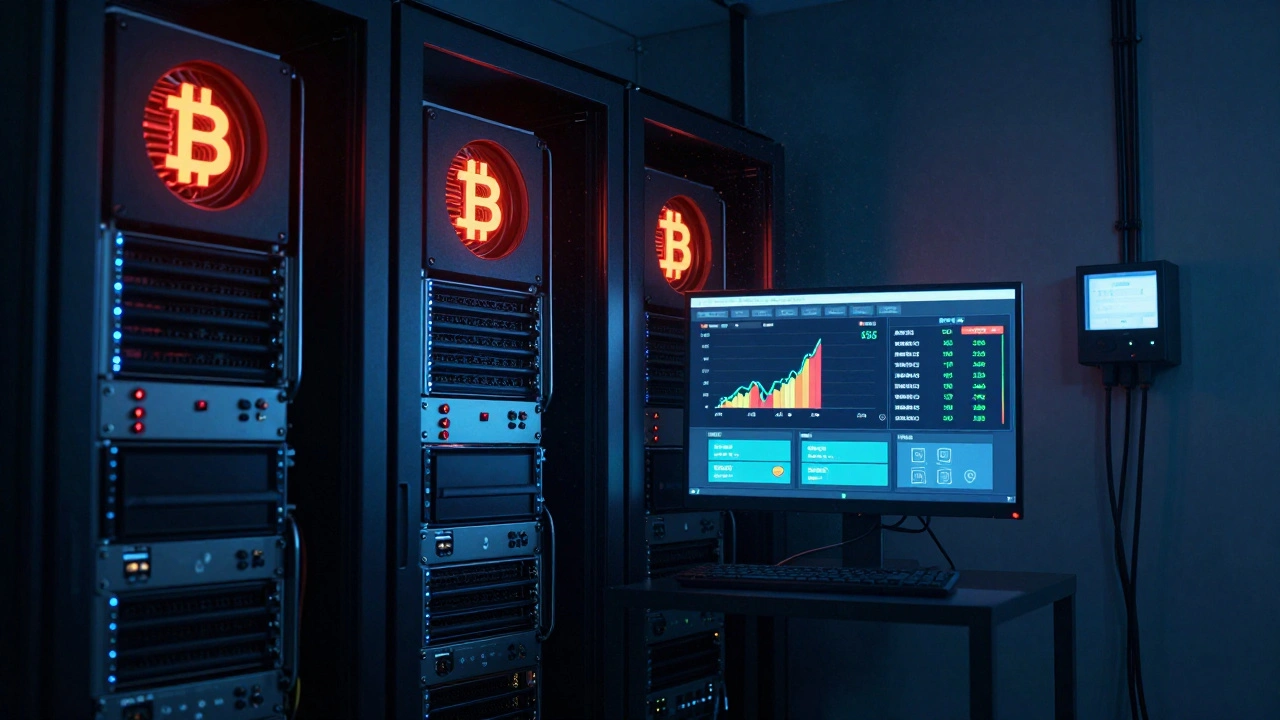
Learn how to track Bitcoin miner hash rate, temperature, and power usage with the best tools in 2025. Avoid hardware failure and boost profits with real-time monitoring.
© 2026. All rights reserved.