
When you spend hours staring at a screen for online courses, flashcards, or language drills, your eyes don’t just get tired—they start to rebel. That’s where dark mode learning apps, digital learning tools that switch to dark backgrounds with light text to reduce screen glare and blue light exposure. Also known as night mode, it’s not just a style choice—it’s a practical upgrade for anyone learning online. You don’t need fancy glasses or special software. Just flip the switch and notice how your eyes feel less heavy by the end of the day.
It’s not magic, but science. A 2020 study from the University of Michigan found that users reported 30% less eye fatigue when using dark mode during extended screen time. That’s huge if you’re grinding through a 90-minute Spanish lesson or reviewing accounting formulas at midnight. Dark mode doesn’t make you learn faster, but it helps you stay in the zone longer without the headaches. And it’s not just about comfort. For learners with light sensitivity, ADHD, or migraines, dark mode isn’t optional—it’s necessary. The best apps don’t just offer dark mode as a toggle; they optimize contrast, font spacing, and button placement so your brain doesn’t have to work harder just to read the text.
What makes a dark mode learning app actually good? It’s not just black text on a navy background. Look for apps that adjust brightness automatically based on time of day, use soft grays instead of pure black to reduce contrast shock, and keep icons and buttons clearly visible. Apps like Duolingo, Anki, and Notion have nailed this—they don’t just invert colors. They redesign the UI for low-light readability. And if you’re using a tablet or phone in bed, the right dark mode can mean the difference between finishing your daily quiz or tossing and turning because your eyes are burning.
Behind every great dark mode learning app is a smarter design philosophy. It’s about reducing cognitive load. When your eyes aren’t straining, your brain can focus on absorbing information. That’s why top platforms pair dark mode with features like spaced repetition, progress tracking, and distraction-free modes. It’s not just about looks—it’s about creating a learning environment where your brain wants to stay engaged.
And here’s the thing: dark mode isn’t just for students. Professionals taking certification courses, freelancers learning new tools, and even older adults picking up digital skills benefit from it. If you’re using your phone or laptop for learning more than an hour a day, you’re already paying a cost—eye strain, fatigue, maybe even disrupted sleep. Dark mode learning apps help you pay less.
Below, you’ll find real guides on how to pick the right app, how to set up dark mode for maximum comfort, and which platforms actually optimize it for learning—not just aesthetics. No fluff. Just what works.
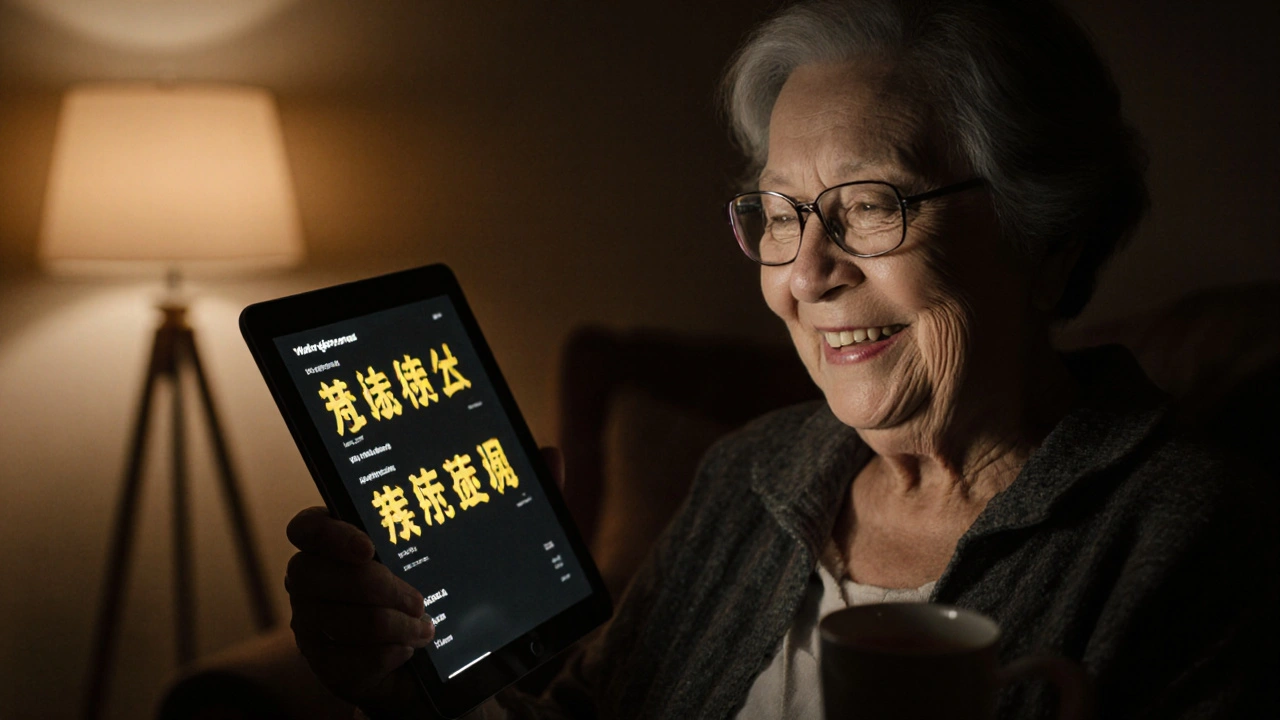
Dark mode and high contrast themes in learning apps reduce eye strain, improve focus, and make education accessible to people with vision challenges. They’re not optional-they’re essential for effective learning.
© 2026. All rights reserved.