
When you hear DeFi, Decentralized Finance, a system of financial services built on blockchain that operates without banks or middlemen. Also known as open finance, it lets you lend, borrow, trade, and earn interest—all through smart contracts, not a corporate office. It’s not magic. It’s code. And it’s growing fast because people are tired of paying fees, waiting days for transfers, or getting locked out of their own money.
At the heart of DeFi are liquidity pools, digital reserves of crypto assets that power decentralized exchanges like Uniswap, where users trade directly without order books. You deposit tokens like ETH and USDC into these pools, and in return, you earn fees from every trade that happens inside. But there’s a catch: impermanent loss, the temporary drop in value liquidity providers face when the price of their deposited assets moves sharply apart. It doesn’t always mean you lose money—sometimes the fees more than cover it—but if you don’t understand it, you could be surprised when you withdraw.
DeFi’s power comes from composability, the ability for different DeFi protocols to connect and interact like building blocks, enabling complex financial products to be stitched together. A single transaction can move your crypto through a lending platform, into a yield farm, then into a derivatives market—all in minutes. But that same flexibility creates risk. One broken contract can trigger chain reactions. When a lending protocol fails, it can drag down liquidity pools, staking apps, and even token prices across the ecosystem. That’s not theory—it’s happened. And it’s why smart users check not just the APY, but who’s connected to whom.
And then there’s the tax side. DeFi tax tracking, the process of recording every swap, stake, and gas fee to meet IRS or HMRC reporting rules is a nightmare if you’re doing it manually. Every time you trade one token for another, it’s a taxable event. Every reward you earn from staking? Also taxable. Most people don’t realize this until April—and by then, it’s too late. Tools exist to help, but you still need to know what’s happening under the hood.
You’ll find posts here that break down how to rebalance your liquidity positions to cut fees, how to spot which DeFi pools are safest, and why DAOs are trying to fix governance problems that keep users out of the loop. You’ll also see real advice on how to track your DeFi taxes without hiring an accountant, and how to protect yourself when one small smart contract glitch could wipe out your earnings.
This isn’t about getting rich quick. It’s about understanding the system so you don’t get burned by it. Whether you’re dipping your toes into a liquidity pool or managing a full DeFi portfolio, the tools and risks are the same. The difference? Knowledge.
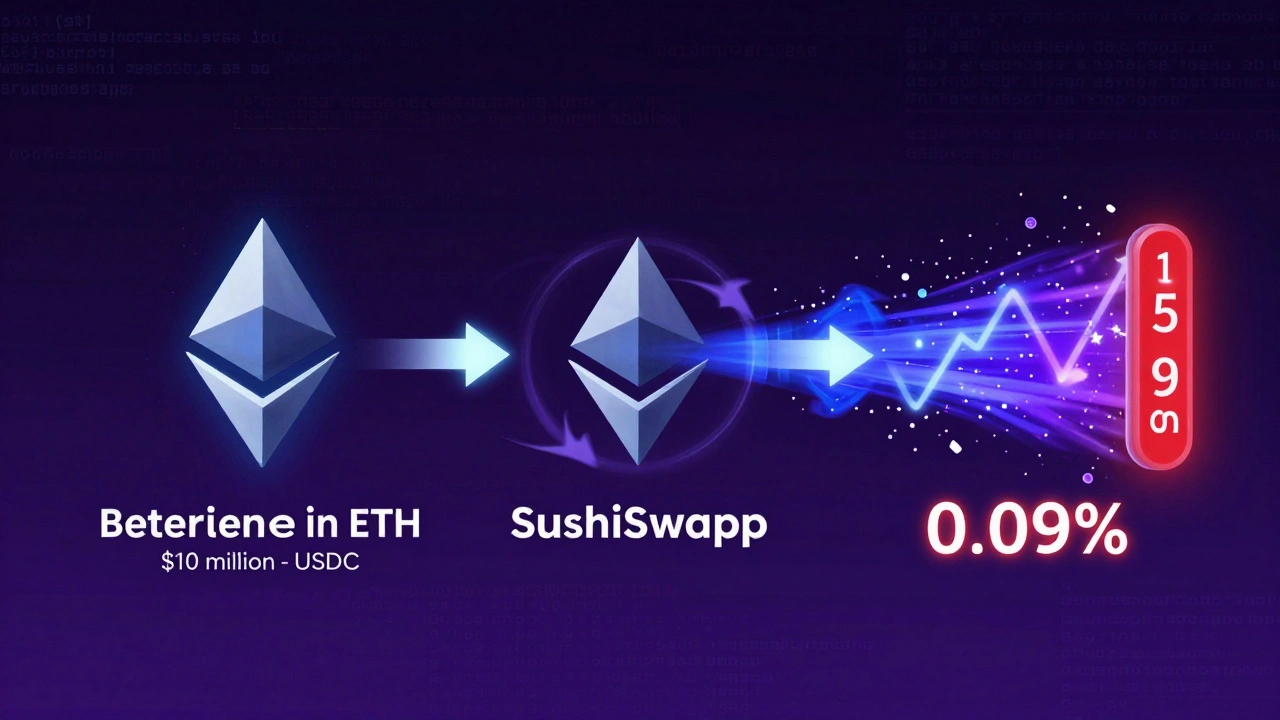
Flash loans let users borrow crypto without collateral-repaying it all within one blockchain transaction. Used for arbitrage, liquidations, and collateral swaps, they're powerful but risky. Aave dominates the space, with $15B+ in volume in 2022.
© 2026. All rights reserved.