
When you hear DeFi protocols, decentralized financial systems built on blockchain that let people lend, borrow, trade, and earn without banks. Also known as decentralized finance, these protocols run on code, not corporate offices, and they’re reshaping how money moves globally. Unlike traditional banks, DeFi protocols don’t need you to fill out forms or wait days for approval. You connect your wallet, pick a protocol, and start earning interest, swapping tokens, or locking up funds—all in minutes. But here’s the catch: if something breaks, there’s no customer service line to call.
One of the biggest ideas behind DeFi is DeFi composability, how different protocols can link together like digital Lego blocks to create new financial tools. Think of it like stacking apps: one protocol handles lending, another trades tokens, and a third pays you rewards. But if one link fails—say, a smart contract gets hacked—it can drag down everything connected to it. That’s why so many people lose money without realizing how tightly these systems are wired. Then there’s impermanent loss, the hidden risk for people who provide liquidity to DeFi pools. Even if the price of your tokens goes up, you might still lose value compared to just holding them. And if you’re earning rewards, you’re also dealing with DeFi tax tracking, the complex task of recording every swap, stake, and gas fee for the IRS. One transaction can trigger multiple taxable events. Most users don’t realize this until tax season hits.
DeFi protocols aren’t magic. They’re tools—and like any tool, they’re only as good as the person using them. If you’re dipping your toes in, you need to understand how liquidity pools work, what fees you’re paying, and how to spot a risky protocol before you deposit your crypto. You’ll find real examples here: how people rebalance positions on Uniswap V3 to cut fees, how one broken contract can crash an entire ecosystem, and why some DeFi users are making more from gas fees than from their investments. These aren’t theory pieces. They’re hands-on guides from people who’ve been there—some lost money, others made it work. What you’re about to read isn’t about getting rich quick. It’s about staying safe while the financial world rewires itself under your feet.
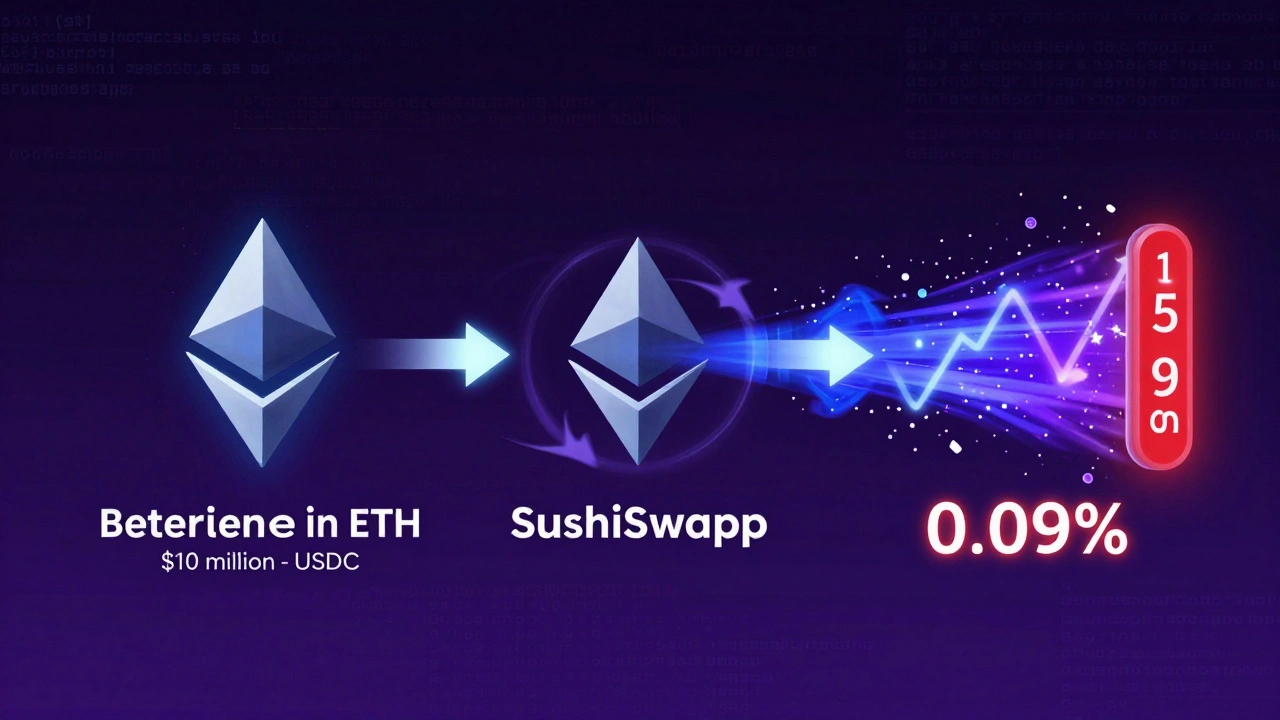
Flash loans let users borrow crypto without collateral-repaying it all within one blockchain transaction. Used for arbitrage, liquidations, and collateral swaps, they're powerful but risky. Aave dominates the space, with $15B+ in volume in 2022.
© 2026. All rights reserved.