
When you invest in DeFi rebalancing, the process of adjusting your crypto holdings in decentralized finance protocols to maintain your target asset allocation. It's not just about buying low and selling high—it's about staying on track when prices swing wildly, liquidity pools shift, and new yield opportunities pop up overnight. Without regular rebalancing, your portfolio can drift far from your original plan. One day you meant to hold 50% ETH and 50% stablecoins; next week, you’re sitting on 80% ETH because its price doubled—and now you’re way too exposed to a single asset.
Liquidity pools, smart contract-based pools where users lock up crypto to earn fees or rewards are a big reason why rebalancing matters. If you’re providing liquidity on Uniswap or Curve, your token ratio changes every time someone trades. That’s impermanent loss in action. Rebalancing lets you reset your position, lock in gains, or reduce risk before losses pile up. And it’s not just for liquidity providers. If you’re staking, lending, or using yield aggregators like Yearn, your assets are constantly moving between protocols. Rebalancing keeps your exposure aligned with your risk tolerance.
Automated rebalancing, tools that automatically adjust your holdings based on preset rules are changing the game. Platforms like Rebalance and DefiSaver let you set thresholds—like "rebalance if BTC drops below 30% of my portfolio"—and they handle the trades for you. No more checking prices at 2 a.m. or missing a window because you got distracted. These tools connect directly to your wallet and execute trades on-chain, often at lower gas costs than manual swaps.
But automation isn’t magic. You still need to decide your target allocation. Are you chasing high yields and don’t mind volatility? Then maybe 70% in ETH and 30% in stablecoins makes sense. Are you trying to preserve capital? You might lean toward 60% stablecoins, 20% BTC, and 20% blue-chip DeFi tokens. Your strategy should match your goals—not what’s trending on Twitter.
And don’t forget taxes. Every time you rebalance, you trigger a taxable event. Selling ETH to buy USDC? That’s a capital gain. Swapping one token for another? Still a sale in the eyes of the IRS. Tracking all those moves is messy, which is why so many users rely on crypto tax tools like Koinly or CoinTracker to stay compliant.
DeFi rebalancing isn’t just for experts. Even if you’re new, you can start simple: check your portfolio once a month. If one asset has grown or shrunk by more than 15%, adjust it back. You don’t need fancy bots or complex math. Just awareness, discipline, and a plan.
Below, you’ll find real guides from users who’ve navigated this exact path—how to set up automated rebalancing, which tools actually save time, how to avoid common mistakes with liquidity pools, and what to do when the market turns chaotic. These aren’t theory pieces. They’re the lessons learned after the trades were made, the gas fees paid, and the profits (or losses) counted.
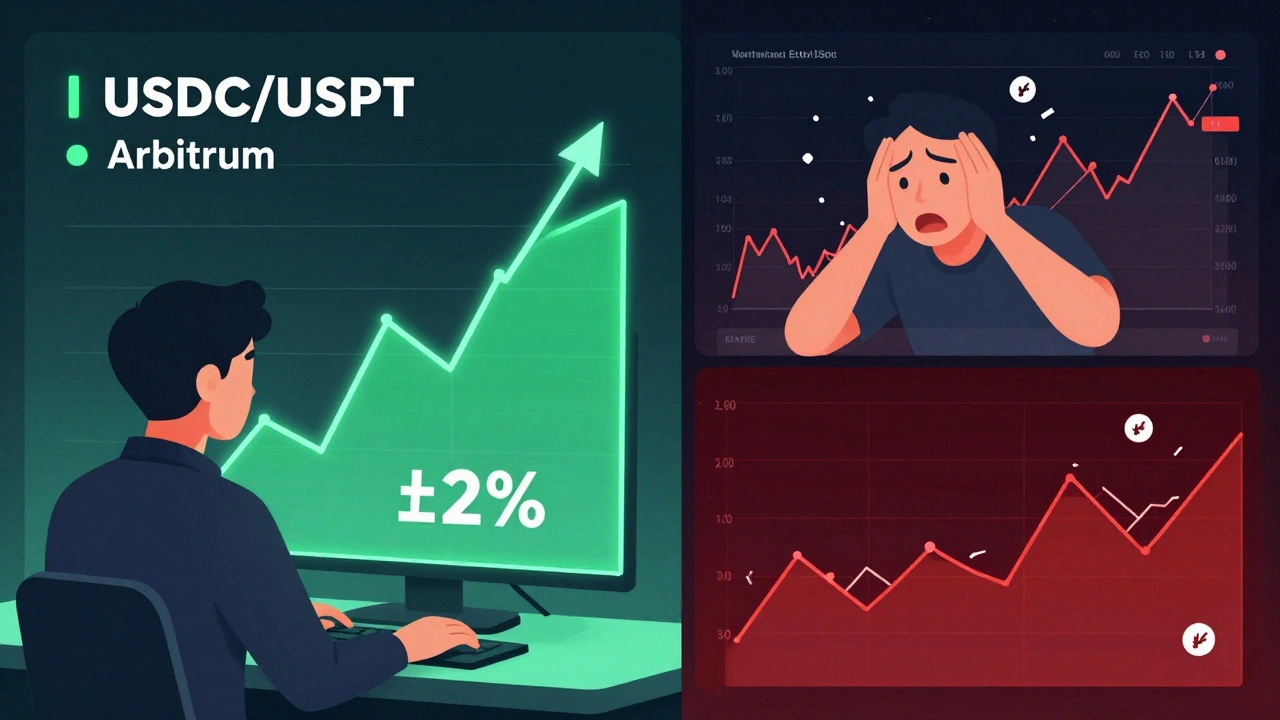
Learn how to manage your DeFi liquidity positions by rebalancing ranges and minimizing fees to maximize returns. Avoid common mistakes and use the right tools for better yields.
© 2026. All rights reserved.