
When you convert a lecture, meeting, or webinar into a searchable text file, you’re creating a digital transcript, a text version of spoken content that’s editable, searchable, and accessible. Also known as audio-to-text conversion, it’s not just a convenience—it’s a necessity for anyone working with spoken content in education, training, or business. Think of it like a captioned video, but fully editable and usable in documents, learning systems, or compliance audits. You don’t need to rewatch a 45-minute training video to find one key point. With a digital transcript, you Ctrl+F and get there in seconds.
Digital transcripts are closely tied to accessibility in education, the practice of making learning materials usable by everyone, including those with hearing impairments or learning differences. They’re not optional extras—they’re required under accessibility laws in many places. But even beyond compliance, they help non-native speakers, people in noisy environments, or those who learn better by reading. They also connect directly to LMS integration, the process of linking learning platforms with tools that automate content delivery and tracking. Platforms like LearnWorlds or Teachable can automatically pull in transcripts to accompany videos, making course materials more usable and searchable without manual work.
Behind every good digital transcript is a system—whether it’s AI-powered software, human transcribers, or a mix of both. These tools don’t just turn speech into text; they timestamp it, identify speakers, and sometimes even tag key topics. That’s why they’re used in everything from corporate compliance training to university lectures to investor pitch recordings. And they’re not just for listening—they’re for analyzing. Teams use them to track how often certain terms are mentioned in meetings, to audit training content for accuracy, or to repurpose video content into blog posts and study guides.
You’ll find digital transcripts showing up in places you might not expect: in certification exams to ensure fairness, in LMS automation workflows to trigger follow-up materials, or even in tax tracking for DeFi podcasts where spoken explanations need to be archived for audit purposes. They’re the quiet backbone of modern knowledge work—making spoken information usable, searchable, and shareable.
Below, you’ll find real-world guides on how to create accessible documents, automate learning systems, design better training, and use tech to make content work harder for you. Whether you’re building courses, managing teams, or just trying to keep up with fast-moving digital tools, these posts show you exactly how digital transcripts fit into the bigger picture—and how to use them well.
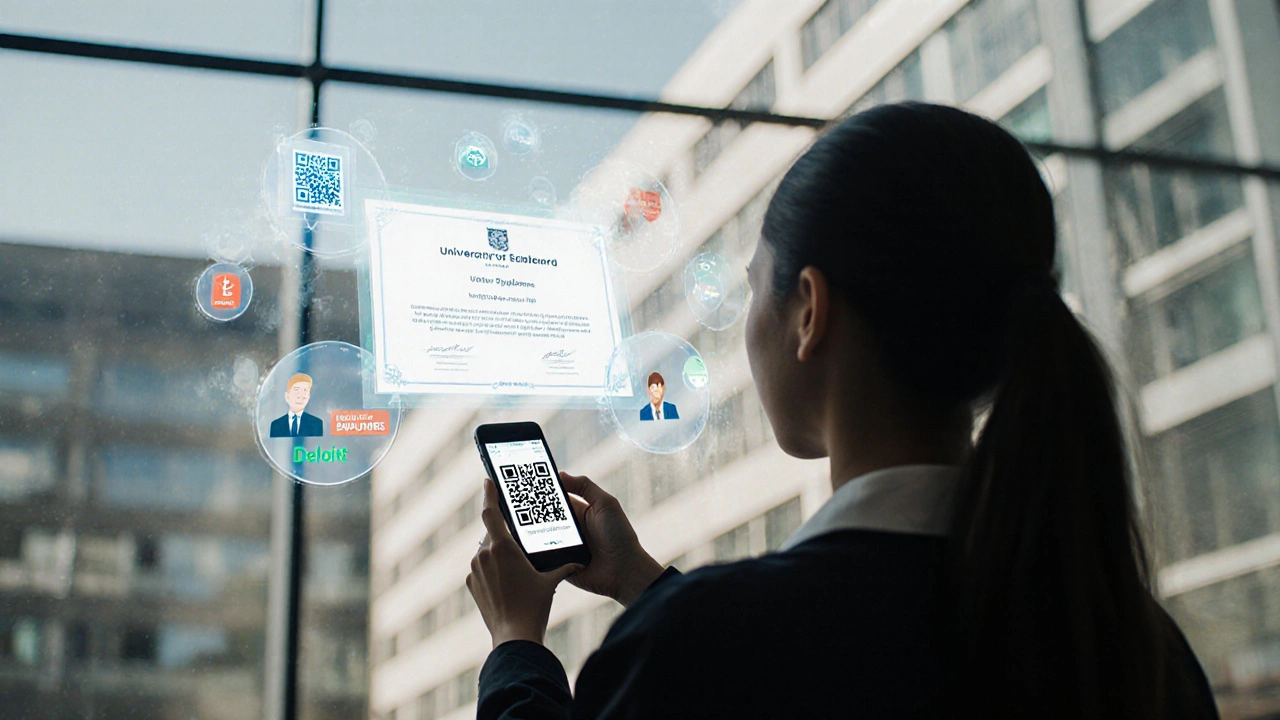
Blockchain consortia in education let schools issue tamper-proof digital credentials that students control. Learn how to join, integrate, and start verifying degrees faster than ever.
© 2026. All rights reserved.