
When Dolce & Gabbana NFT, a series of digital fashion items sold as non-fungible tokens on the blockchain. Also known as digital haute couture, it represents one of the first major luxury brands to treat clothing as a collectible asset you can own, trade, and wear in virtual spaces. This wasn’t just a marketing stunt—it was a bold redefinition of what fashion can be in the digital age.
Dolce & Gabbana didn’t just slap a logo on a pixelated jacket. They built entire collections—like the Collezione Genesi—where each NFT includes a unique 3D garment, a physical counterpart, and exclusive access to events. These aren’t just images. They’re verifiable, blockchain-backed assets that prove ownership, just like a signed handbag from their Milan atelier. The NFT fashion, digital clothing designed to be worn in metaverse platforms or as social media avatars market exploded after their 2021 drop, which sold for over $5.7 million in just minutes. That’s not just crypto hype—that’s real money changing hands for things that don’t exist in the physical world.
What makes this different from buying a digital wallpaper? It’s about digital ownership, the ability to prove you hold a unique, non-replicable item on a public ledger. With a Dolce & Gabbana NFT, you’re not licensing a file—you’re holding a token that can’t be copied, forged, or taken away. That’s why collectors pay thousands for these items: they’re buying scarcity, authenticity, and status in a world where everything else feels mass-produced. And it’s not just about showing off. These NFTs unlock real-world perks: VIP invitations, private viewings, even custom tailoring. The line between digital and physical is blurring fast.
But here’s the catch: owning a Dolce & Gabbana NFT doesn’t mean you own the copyright. You can’t mass-produce it. You can’t resell it as a physical product without permission. You own the token, not the design. That’s why many buyers treat these like rare sneakers or limited-edition art—they’re held for value, not utility. Still, for a brand that built its name on exclusivity, this move made perfect sense. It turned fashion into a digital collectible economy, where your Instagram avatar can wear something no one else on Earth owns.
Other luxury houses followed—Louis Vuitton, Gucci, Balenciaga—but Dolce & Gabbana was the first to go all-in. They didn’t just experiment. They built infrastructure: their own NFT marketplace, wallet integrations, and even a dedicated team for digital fashion. This wasn’t a side project. It was a new revenue stream, a new customer base, and a new way to engage with Gen Z and crypto-native buyers who care more about digital identity than fabric labels.
And while the NFT market has cooled since its 2022 peak, Dolce & Gabbana’s digital pieces still trade on secondary markets. Some have doubled in value. Others sit unsold, waiting for the next wave of interest. The lesson? NFTs aren’t dead—they’re maturing. And fashion brands that understand digital ownership, not just digital marketing, are the ones that will keep leading.
Below, you’ll find real guides on how blockchain changes how we own things, how digital assets gain value, and why the next generation of consumers won’t just buy products—they’ll buy identities. Whether you’re curious about NFTs, fashion tech, or the future of ownership, these posts cut through the noise and show you what actually matters.
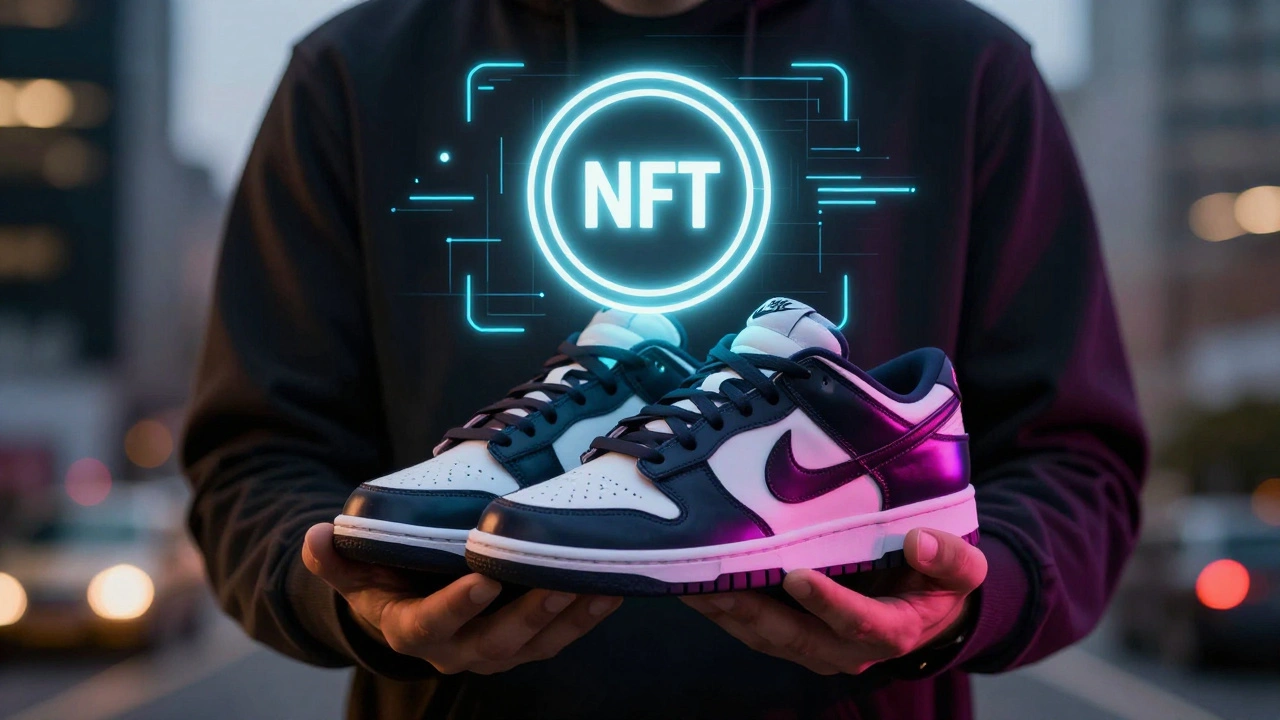
Real case studies of Nike, Adidas, Starbucks, and Gucci's NFT collaborations show how brands are using digital tokens to build loyalty-not just sell JPEGs. Learn what worked, what failed, and why utility matters more than speculation.
© 2026. All rights reserved.