
When designing learning materials for people with dyslexia, the dyslexia learning layout, a structured approach to presenting text and visuals that reduces cognitive overload and improves readability. Also known as accessible learning design, it isn’t about making things easier—it’s about removing unnecessary barriers so learning can happen naturally. Many schools and apps still use standard fonts, crowded pages, and low-contrast text, which makes reading feel like a chore. But when you adjust spacing, use the right fonts, and simplify visual clutter, learners with dyslexia often show faster progress and less frustration.
This approach isn’t just about fonts or colors—it connects to how the brain processes information. A good dyslexia learning layout, a structured approach to presenting text and visuals that reduces cognitive overload and improves readability. Also known as accessible learning design, it isn’t about making things easier—it’s about removing unnecessary barriers so learning can happen naturally. works because it reduces the mental effort needed to decode text. Studies show that using sans-serif fonts like Arial or OpenDyslexic, increasing letter spacing by 1.5 times, and avoiding all-caps text can boost reading speed by up to 20%. High contrast between text and background (like dark gray on off-white, not black on white) cuts eye strain. And letting learners control font size and line height? That’s not a nice-to-have—it’s a requirement.
These same principles show up in tools like dark mode learning apps, digital interfaces that reduce glare and improve focus for users with visual sensitivities. Also known as high contrast themes, they help learners stay engaged longer without fatigue. They’re not just trendy—they’re functional. The same goes for accessible PDFs, documents built with proper headings, alt text, and reading order so screen readers and dyslexic readers can navigate them easily. Also known as accessible documents, they turn static files into interactive learning tools. If a PDF is just a scanned image or lacks structure, it’s useless to someone who struggles with dense text. But if it’s tagged correctly, with clear headings and readable fonts, it becomes part of the solution.
What’s missing in most learning systems? Flexibility. One layout doesn’t fit all. Some learners need more white space. Others benefit from audio support or word-to-voice tools. The best dyslexia learning layouts let users tweak settings themselves—no tech skills needed. This isn’t special treatment. It’s good design for everyone. Think of it like curb cuts: they help wheelchair users, but also parents with strollers, delivery workers, and travelers with suitcases. The same goes for learning layouts that prioritize clarity, consistency, and control.
You’ll find real examples of this in the posts below—from how to build accessible course documents that actually get used, to why high contrast themes in learning apps aren’t optional, to how behavioral nudges and simple UI changes help learners stay on track. These aren’t theory pieces. They’re practical guides from educators and designers who’ve seen the difference good layout makes.
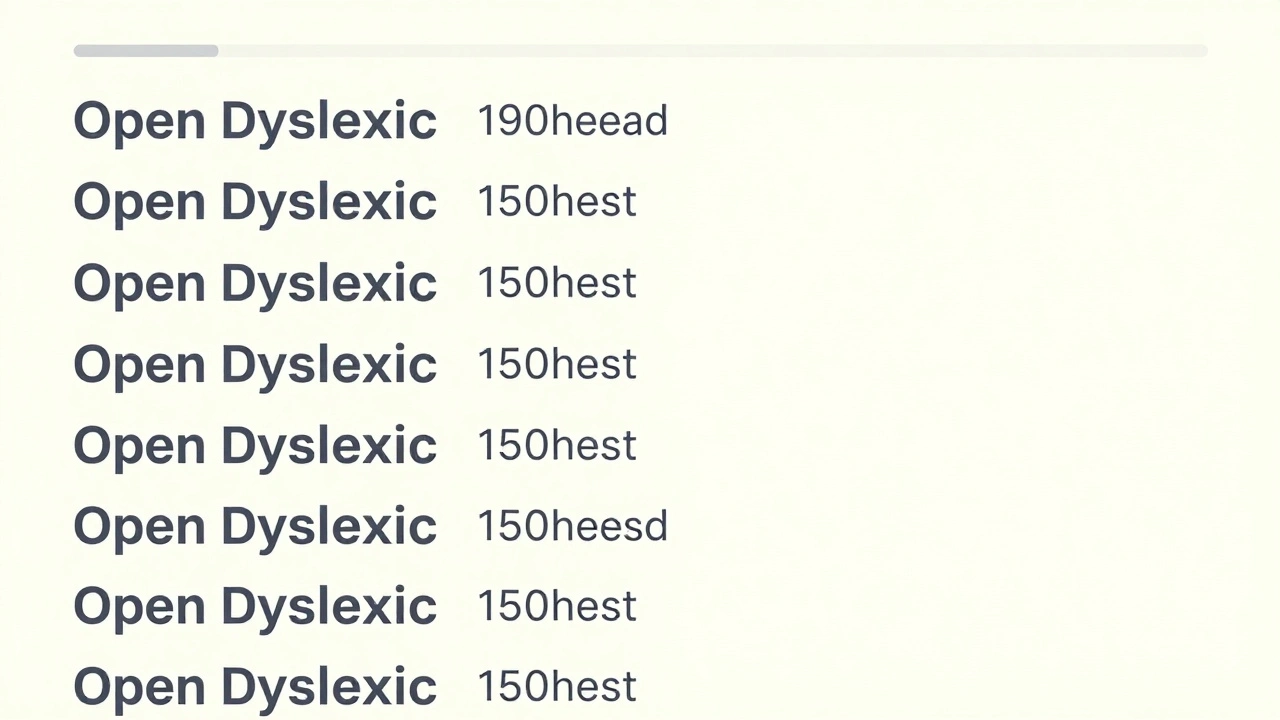
Discover how simple changes to fonts, layout, and writing style can make online courses easier to read and understand for people with dyslexia-and better for everyone.
© 2026. All rights reserved.