
When you hear flash loans, a type of uncollateralized loan in decentralized finance that must be borrowed and repaid within a single blockchain transaction. Also known as atomic loans, they enable users to access large sums of crypto instantly—without putting up any collateral—so long as the entire loan is paid back before the transaction ends. It sounds impossible, but on blockchains like Ethereum, it’s not just possible—it’s routine. These loans run on smart contracts, self-executing code on blockchains that automatically enforce rules without intermediaries. If the loan isn’t repaid, the whole transaction rolls back like it never happened. No debt. No collateral. Just code.
Flash loans aren’t for casual traders. They’re used by advanced DeFi participants to exploit price gaps across exchanges, manipulate collateral ratios in lending protocols, or arbitrage tokens between platforms. For example, someone might borrow 10,000 ETH from a flash loan provider, swap it for BTC on one exchange where the price is low, then immediately sell that BTC on another exchange where the price is higher—all within seconds—and repay the loan with profit left over. This is how DeFi, a financial system built on open, permissionless blockchain networks without banks or brokers moves money faster than traditional finance ever could. But it’s not all profit. One broken contract, one buggy script, and you lose everything. That’s why flash loans are tied to crypto lending, the practice of lending digital assets through automated protocols instead of banks and other DeFi tools like liquidity pools and price oracles. They’re the high-speed fuel that powers complex DeFi strategies—but they also make the whole system more fragile.
What you’ll find in this collection isn’t just theory. These posts dive into real DeFi mechanics: how to manage liquidity positions without getting wrecked by impermanent loss, how one failed contract can crash an entire ecosystem, and how to track your DeFi taxes when every swap triggers a taxable event. You’ll see how flash loans fit into the bigger picture of blockchain risk, automation, and financial innovation. No fluff. No hype. Just clear, practical breakdowns from people who’ve seen these systems work—and fail.
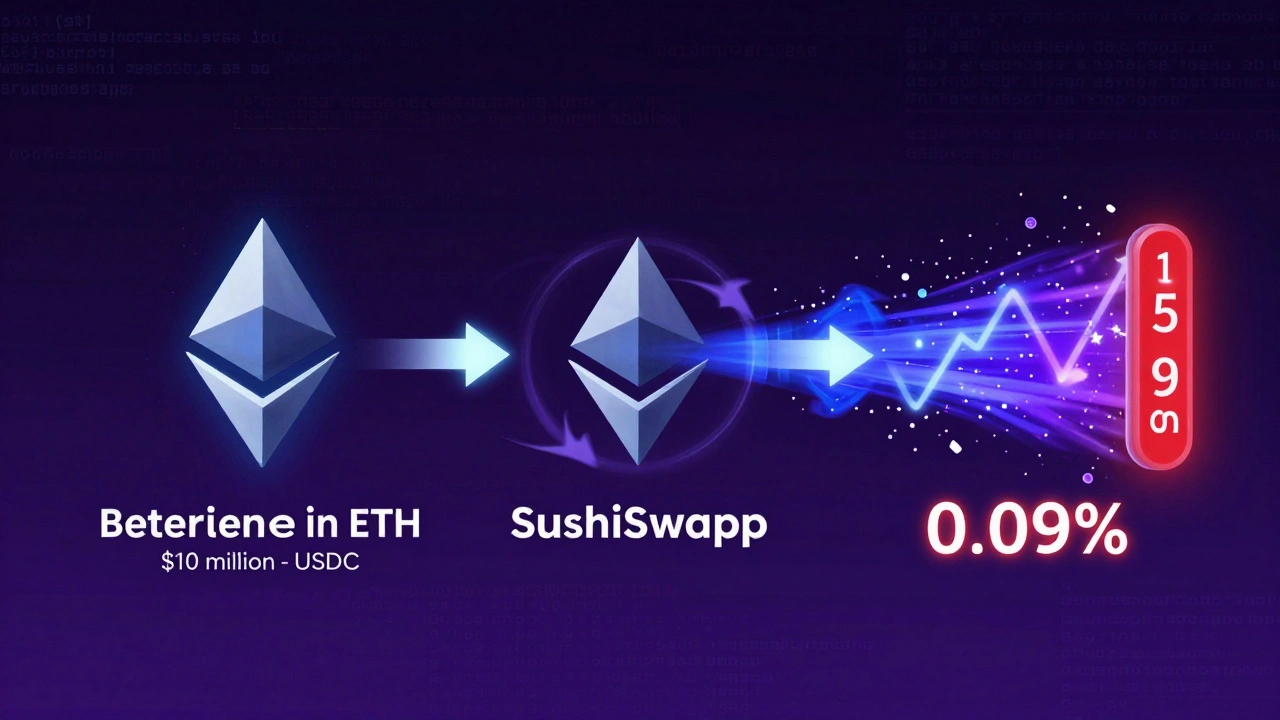
Flash loans let users borrow crypto without collateral-repaying it all within one blockchain transaction. Used for arbitrage, liquidations, and collateral swaps, they're powerful but risky. Aave dominates the space, with $15B+ in volume in 2022.
© 2026. All rights reserved.