
When you hear about hash rate tracker, a tool that measures the total computing power used to mine and secure a blockchain network. Also known as mining power monitor, it tells you how hard it is to alter transactions on networks like Bitcoin or Ethereum Classic—because more hash power means more security. If the hash rate drops suddenly, it’s a red flag. If it spikes, it means more miners are joining, which usually makes the network stronger.
Behind every Proof of Work, the consensus mechanism that requires miners to solve complex math problems to add blocks to a blockchain is real hardware running 24/7. These aren’t just computers—they’re specialized machines called ASICs, burning electricity to keep the blockchain honest. A hash power, the speed at which mining hardware performs calculations to validate transactions isn’t just a number—it’s the backbone of trust. Without enough of it, a single group could take over the network and pull off a 51% attack, reversing transactions or double-spending coins. That’s why trackers matter: they show you if the network is healthy or getting risky.
And it’s not just about Bitcoin. Other blockchains using Proof of Work—like Litecoin, Dogecoin, or Ravencoin—rely on the same principle. A mining difficulty, the measure of how hard it is to find a valid block, adjusted automatically based on network hash rate adjusts every few days to keep block times steady. If hash power grows, difficulty rises. If miners leave, difficulty falls. A good hash rate tracker shows you both numbers side by side, so you know if mining is still profitable or if the network is becoming too crowded—or too empty.
People use these trackers for different reasons. Miners check them to decide when to upgrade hardware or switch coins. Investors watch them to gauge network health before buying. Even regulators look at them to spot suspicious drops that might signal centralization. You don’t need to be a tech expert to read them—just know that higher numbers usually mean more security, and sudden drops mean trouble.
Below, you’ll find real-world examples of how hash rate changes affected blockchain networks, what happens when mining becomes unprofitable, and how tools help spot risks before they turn into crises. Whether you’re tracking Bitcoin’s hash rate or exploring alternatives, these posts give you the facts—not the fluff.
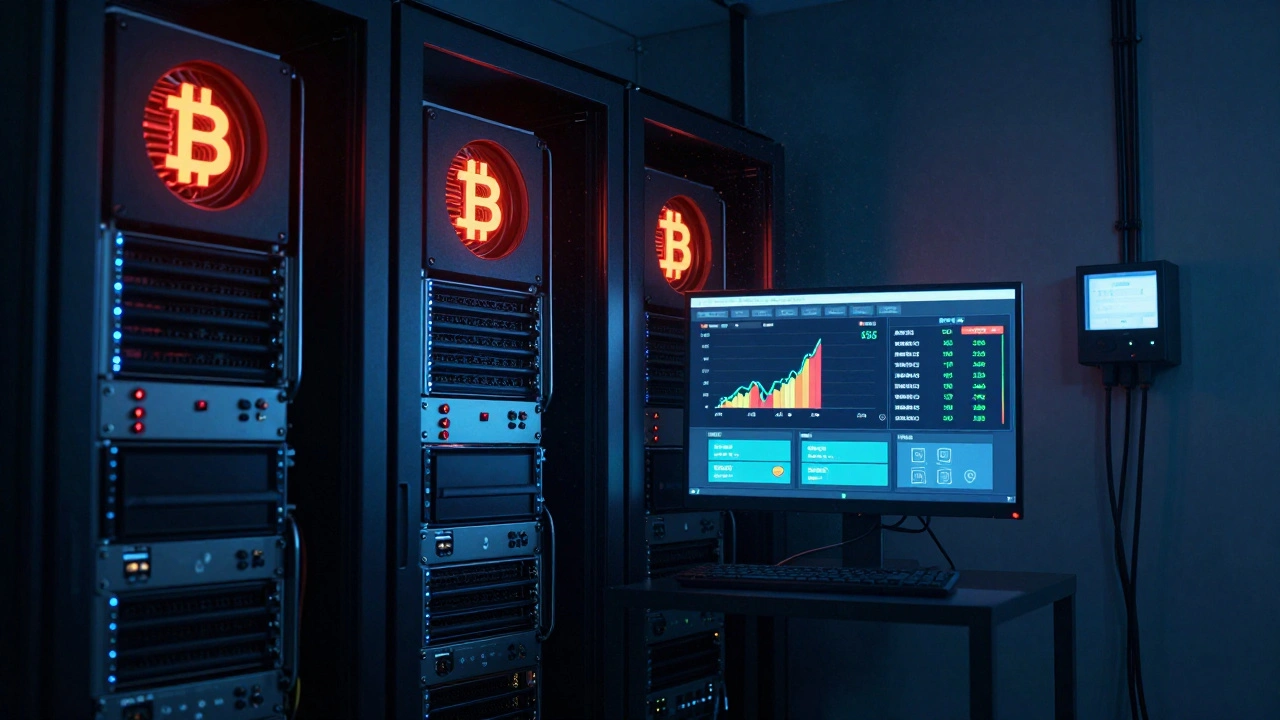
Learn how to track Bitcoin miner hash rate, temperature, and power usage with the best tools in 2025. Avoid hardware failure and boost profits with real-time monitoring.
© 2026. All rights reserved.