
When you hear Nike CryptoKicks, digital sneakers authenticated and owned on the blockchain, often tied to NFTs and the Nike .SWOOSH platform. Also known as crypto sneakers, they’re not just pixels—they’re verifiable digital assets you can wear in virtual worlds, trade like collectibles, or even link to physical pairs. This isn’t sci-fi. Nike launched its .SWOOSH platform in 2022 to let users buy, collect, and use digital sneakers across games and apps, turning footwear into something you truly own—not just license.
These digital shoes rely on NFTs, unique, non-fungible tokens stored on blockchains like Ethereum that prove ownership and authenticity. Unlike regular sneakers, you can’t just copy a CryptoKick. Each one has a digital fingerprint tied to your wallet. That’s why they’re used in gaming, virtual fashion shows, and metaverse platforms. They also connect to blockchain digital ownership, a system where users control assets directly, without middlemen like retailers or platforms. This model is already changing how brands sell products—Nike doesn’t just sell shoes, it sells digital experiences with real value.
What makes Nike CryptoKicks different from other NFTs? They’re designed to be useful. You can unlock real-world perks, like early access to physical drops or exclusive events, just by holding them. Some are even playable in games like Roblox or The Sandbox. That’s why they’re not just collectibles—they’re gateways. And unlike random crypto art, Nike’s approach is grounded in real brand loyalty and user engagement. You’re not buying a JPEG—you’re buying into a digital ecosystem.
Behind the scenes, this ties into bigger trends: how brands use blockchain, a decentralized digital ledger that records transactions securely and transparently. to build direct relationships with customers. It’s not about speculation—it’s about ownership. And it’s working. Nike’s .SWOOSH platform already has millions of users, and partnerships with platforms like RTFKT show they’re not slowing down.
What you’ll find in this collection isn’t just hype. These posts dig into how digital ownership works, what tools you need to manage NFTs, how blockchain changes the way we think about products, and why companies like Nike are betting big on this future. Whether you’re trying to understand how to trade a CryptoKick, what risks come with owning one, or how this fits into the wider shift toward decentralized digital economies—this is where you start.
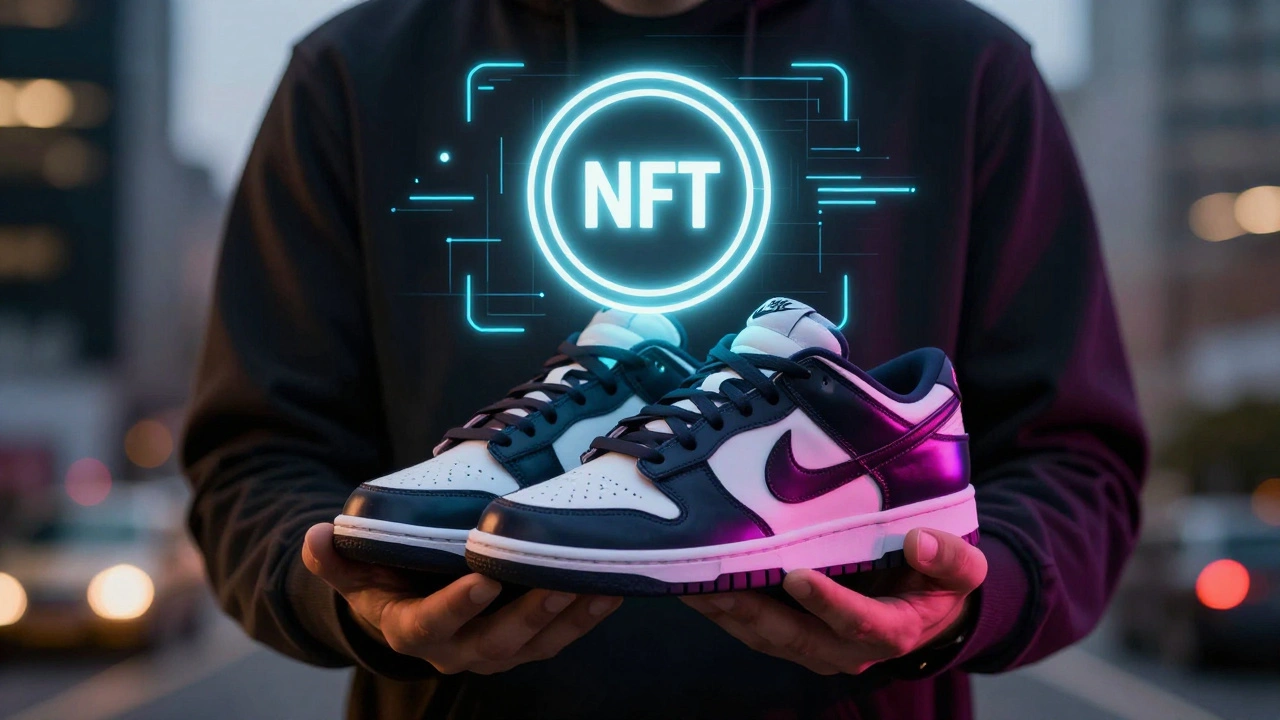
Real case studies of Nike, Adidas, Starbucks, and Gucci's NFT collaborations show how brands are using digital tokens to build loyalty-not just sell JPEGs. Learn what worked, what failed, and why utility matters more than speculation.
© 2026. All rights reserved.