
When people ask for help, they don’t just need answers—they need office hours formats, scheduled times when someone is available to answer questions, offer guidance, or solve problems. Also known as drop-in support sessions, these are the quiet backbone of remote teams, online courses, and student success programs. The best ones aren’t rigid. They’re designed around when people actually need help, not when it’s easiest for the boss to be online.
Think about it: if you’re a student in a different time zone, or a team member juggling client calls, a 9-to-5 Monday-Friday window won’t cut it. That’s why modern virtual office hours, online support sessions held via video, chat, or async platforms. Also known as digital office hours, they come in many shapes. Some teams use rotating slots so someone’s always available. Others run weekly 30-minute drop-ins on Zoom, while a few let students book 15-minute slots via Calendly. The key? Make it predictable but flexible. One school in Birmingham switched from fixed hours to a 24-hour request window with 4-hour response guarantees—and student satisfaction jumped 40%.
It’s not just about timing. It’s about how you run them. A good flexible scheduling, a system that lets people choose when they get support based on their needs and availability. Also known as on-demand support windows, it means you don’t force everyone into the same mold. Some people learn better in small groups. Others need one-on-one time. Some just need a quick Slack reply at 10 p.m. That’s why the most effective setups combine live sessions with async options—like recorded Q&A clips or a shared document where questions pile up and get answered over time.
And it’s not just for schools. Startups use office hours to onboard new hires. Design teams hold weekly critique sessions. Customer support leads open virtual doors for their peers to troubleshoot tough cases. The pattern is always the same: reduce friction, increase trust, and make help feel human—not like a ticket system.
You’ll find real examples below—how a coding bootcamp cut dropout rates by switching to bi-weekly live Q&As, how a UK tech firm uses async video replies to support global staff, and why some educators now offer "office hours on demand" instead of fixed times. These aren’t theory. They’re what’s working right now for teams and learners who need support that fits their lives, not the other way around.
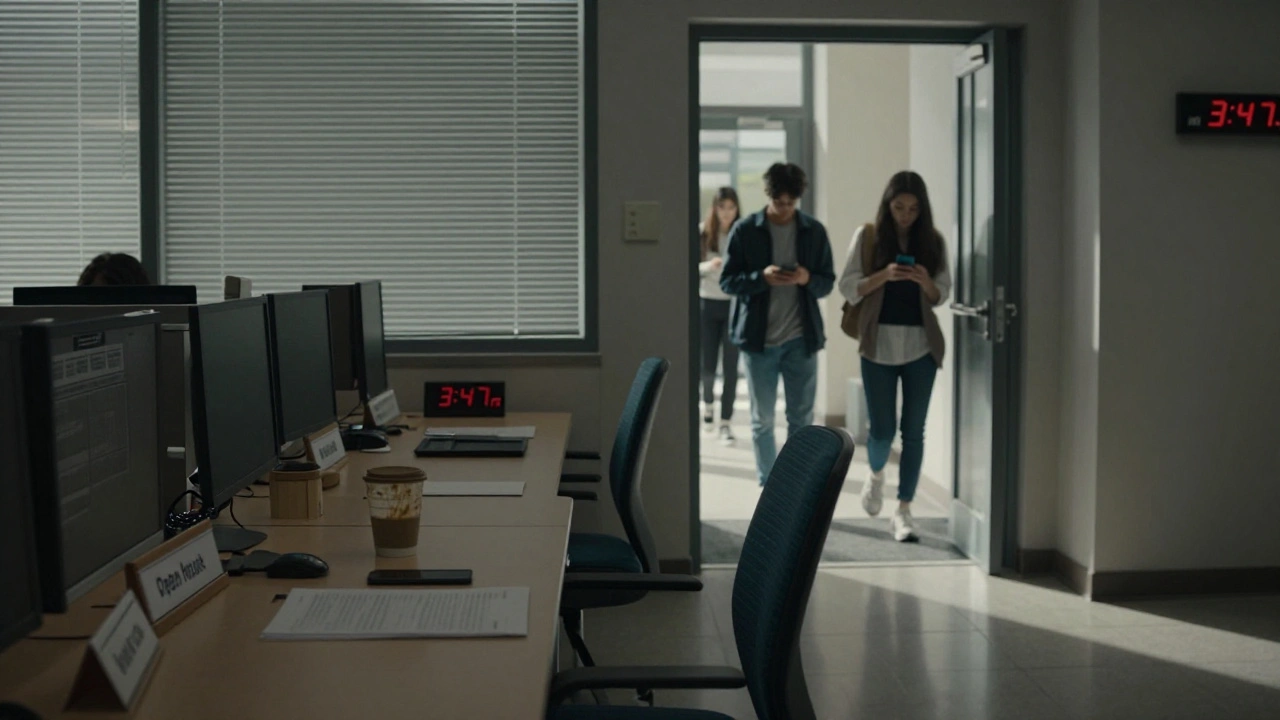
Open, themed, and coaching rotation office hours each serve different student needs. Learn how to blend these formats to boost attendance, reduce anxiety, and improve learning outcomes - without burning out.
© 2026. All rights reserved.