
When teams work remotely or across time zones, themed office hours, scheduled, topic-focused drop-in sessions where team members can ask questions and share insights in real time. Also known as virtual drop-in clinics, they’re not just another meeting—they’re a way to turn passive communication into active learning and connection. Unlike weekly stand-ups or endless Slack threads, themed office hours give people a clear reason to show up: they’re solving a specific problem, learning a new tool, or unpacking a shared challenge.
These sessions work because they’re intentional. A sales team might host themed office hours, scheduled, topic-focused drop-in sessions where team members can ask questions and share insights in real time. Also known as virtual drop-in clinics, they’re not just another meeting—they’re a way to turn passive communication into active learning and connection. A design team might run one on user onboarding flows, the step-by-step experience new users have when first using a product or service. A developer team might focus on API integration, the process of connecting different software systems so they can share data and functions. Each session has a clear goal, a short agenda, and a facilitator who keeps it moving. No fluff. No agendas that go nowhere. Just real talk, real answers, and real time saved.
What makes themed office hours stick is that they’re not mandatory. People show up because they know they’ll walk away with something useful—maybe a shortcut, a tool, or just a person they can text later. They’re especially powerful in hybrid teams where new hires feel lost or remote workers feel invisible. A single 30-minute session on LMS automation, using tools like webhooks and APIs to automatically trigger actions in learning platforms based on user behavior can prevent five people from spending hours Googling the same thing.
And they scale. You don’t need fancy software. Just a calendar invite, a Zoom link, and a topic. Some teams rotate facilitators so everyone gets a chance to lead. Others use recurring themes—like "Fix My Workflow Friday" or "Ask the Devs"—so people know when to expect help. The best ones even record summaries so people who miss it can catch up later.
What you’ll find below are real examples of how teams are using themed office hours to fix communication gaps, reduce repetitive questions, and turn knowledge hoarders into team teachers. You’ll see how they connect to tools like webhooks, LMS integrations, and employee training—all things that matter when you’re trying to build something that lasts.
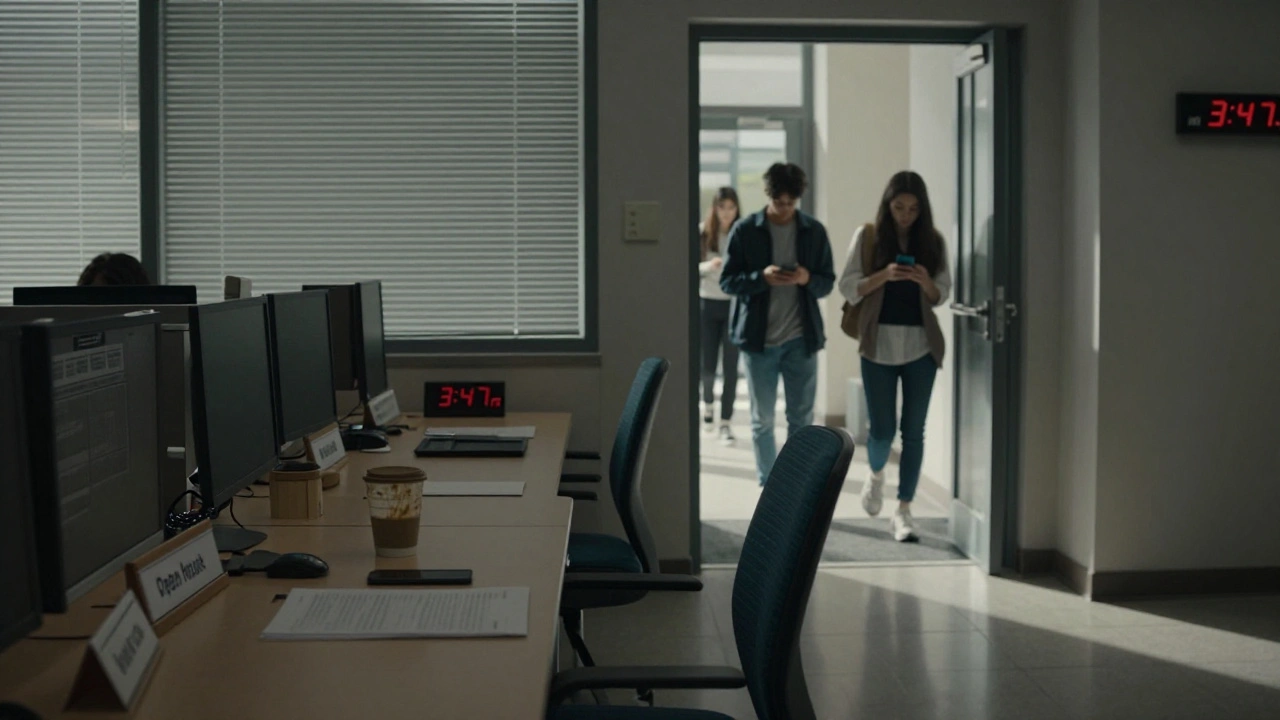
Open, themed, and coaching rotation office hours each serve different student needs. Learn how to blend these formats to boost attendance, reduce anxiety, and improve learning outcomes - without burning out.
© 2026. All rights reserved.