
When a business borrows money without putting up any assets as security, it’s called uncollateralized borrowing, a type of loan where repayment relies solely on the borrower’s creditworthiness, not on pledged property. Also known as unsecured lending, it’s common among startups, small businesses, and established companies with strong cash flow—but it comes with higher interest rates because the lender takes on more risk. Unlike traditional loans backed by equipment, real estate, or inventory, uncollateralized borrowing depends entirely on your business’s track record, revenue, and ability to pay back on time.
This kind of financing shows up in many places: short-term business lines of credit, merchant cash advances, SBA microloans, and even some invoice financing arrangements. It’s often the go-to when a company doesn’t own enough assets to secure a loan, or when they need fast access to cash without the paperwork of asset appraisal. But here’s the catch: lenders know this is risky. So they look closely at your credit score, bank statements, and monthly revenue. If you’ve been paying suppliers on time and have steady sales, you’re more likely to qualify—even without collateral.
It’s not just about getting the money. It’s about understanding how this affects your cash flow, your debt-to-income ratio, and your future borrowing power. One missed payment on an uncollateralized loan can tank your credit faster than any asset seizure. And because these loans carry higher rates, they can eat into your profits if you’re not careful. That’s why so many of the businesses we cover here—like those scaling online learning platforms or managing DeFi liquidity—choose uncollateralized borrowing only when they’re confident in their next revenue cycle.
What you’ll find in this collection aren’t just definitions. You’ll see real examples of how businesses use uncollateralized borrowing to bridge gaps, fund growth, or survive rough patches. Some use it to pay for LMS integrations before their courses take off. Others use it to cover gas fees in DeFi while waiting for yield to compound. There’s no one-size-fits-all approach, but there are patterns. And those patterns are what matter when you’re deciding whether to risk borrowing without anything to fall back on.
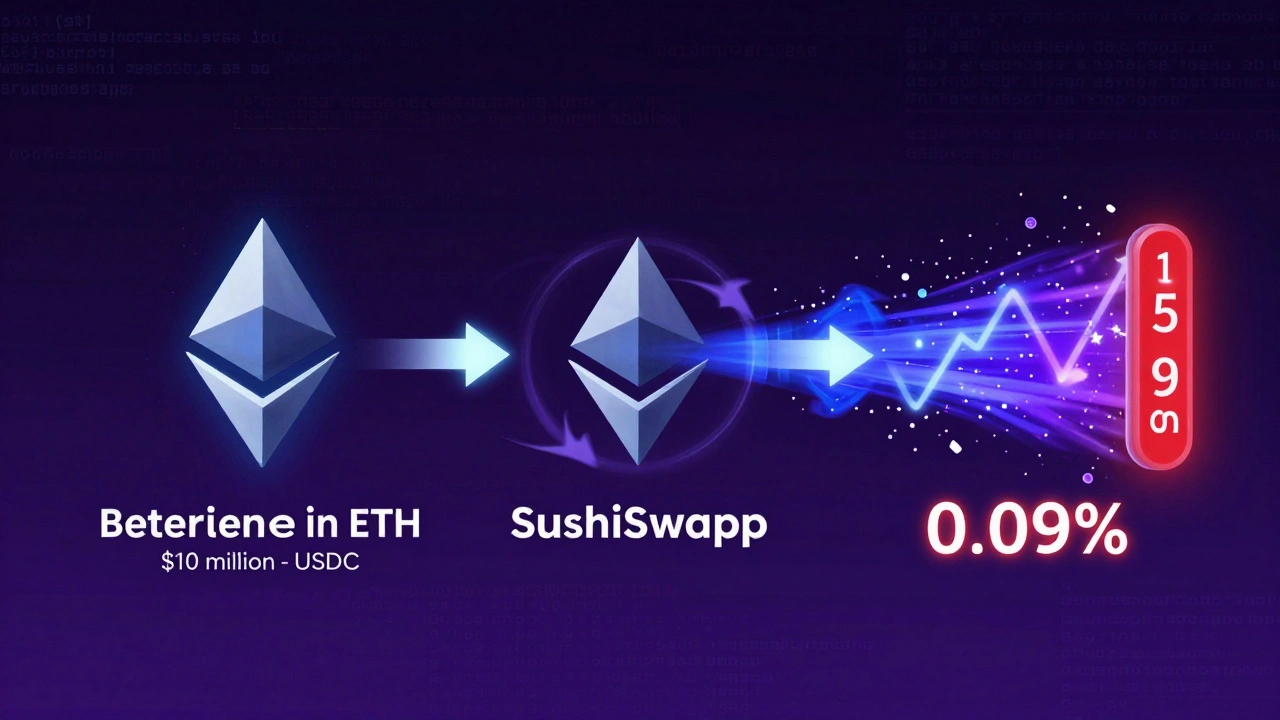
Flash loans let users borrow crypto without collateral-repaying it all within one blockchain transaction. Used for arbitrage, liquidations, and collateral swaps, they're powerful but risky. Aave dominates the space, with $15B+ in volume in 2022.
© 2026. All rights reserved.