
When you LMS integration, the process of linking your learning management system with other business tools like HR software, CRM, or analytics platforms. Also known as LMS connectivity, it means your training system doesn’t work in a vacuum—it talks to the tools your team uses every day. Without it, you’re stuck juggling logins, manually updating records, and losing track of who completed what. With it, training data flows automatically into your HR system, sales teams get notified when reps finish compliance courses, and managers see real-time progress without asking for spreadsheets.
LMS integration isn’t just about convenience—it’s about accuracy and scale. Think of it like wiring your car’s engine to its GPS: the car runs fine alone, but together, they make smarter decisions. When your LMS connects to your enterprise LMS, a learning platform built for large organizations with complex training needs, you can roll out training across departments without manual setup. If you’re using corporate training, structured learning programs designed to improve employee performance and meet compliance standards, integration ensures every new hire gets onboarding materials the moment they’re added to your system. It also lets you tie training completion to performance metrics, so you can prove that your courses actually move the needle—whether that’s fewer safety incidents, faster sales cycles, or higher retention.
Most of the posts here focus on what happens after integration: how behavioral nudges keep learners engaged, how accessibility rules apply to course files, how certifications map to real job skills, and how KPIs show if training is working. But none of that matters if your LMS can’t talk to your payroll system, your CRM, or your talent database. That’s why integration is the hidden foundation. You can have the best gamified course in the world, but if managers can’t see who’s finished it, no one will care. You can design perfect competency maps, but if the system doesn’t update automatically when someone passes a certification, you’re back to paper trails.
What you’ll find below isn’t a list of features—it’s a collection of real solutions built by people who’ve been there. They’ve figured out how to make LMS integration work with UK GDPR rules, how to track training impact without drowning in data, and how to choose tools that actually fit your team’s workflow—not the other way around. Whether you’re scaling training across offices or just trying to stop the spreadsheet chaos, these posts show you how to make your LMS do more than store videos. They show you how to make it part of your business engine.
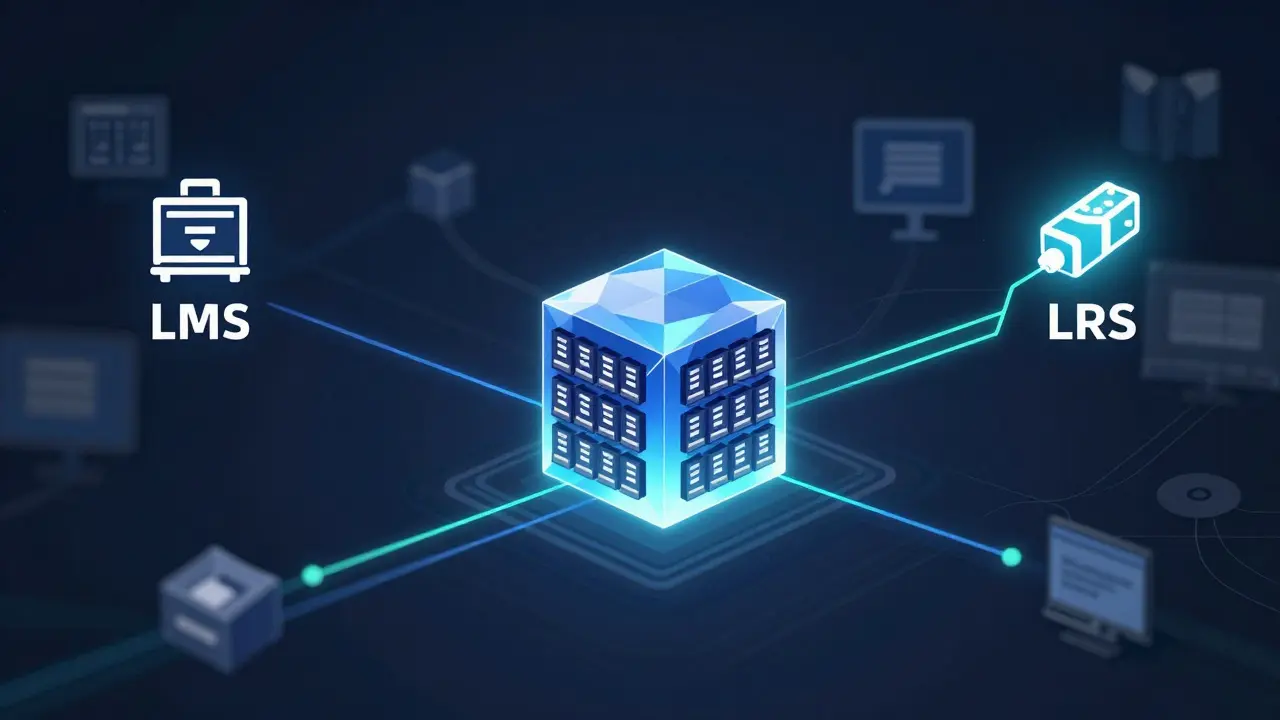
Learn how to connect your LMS and LRS systems into a unified learning data warehouse that turns training data into actionable insights. Start simple, avoid common pitfalls, and build a system that improves learning outcomes.
Learn how to connect third-party tools to your LMS using API integration. Step-by-step guide on setting up secure, reliable connections for grades, logins, and data sync without coding.
Learn how to set up webhooks for your LMS to automate tasks like course enrollment, certificate delivery, and user syncs. Reduce manual work and eliminate errors with real-time system connections.
© 2026. All rights reserved.