
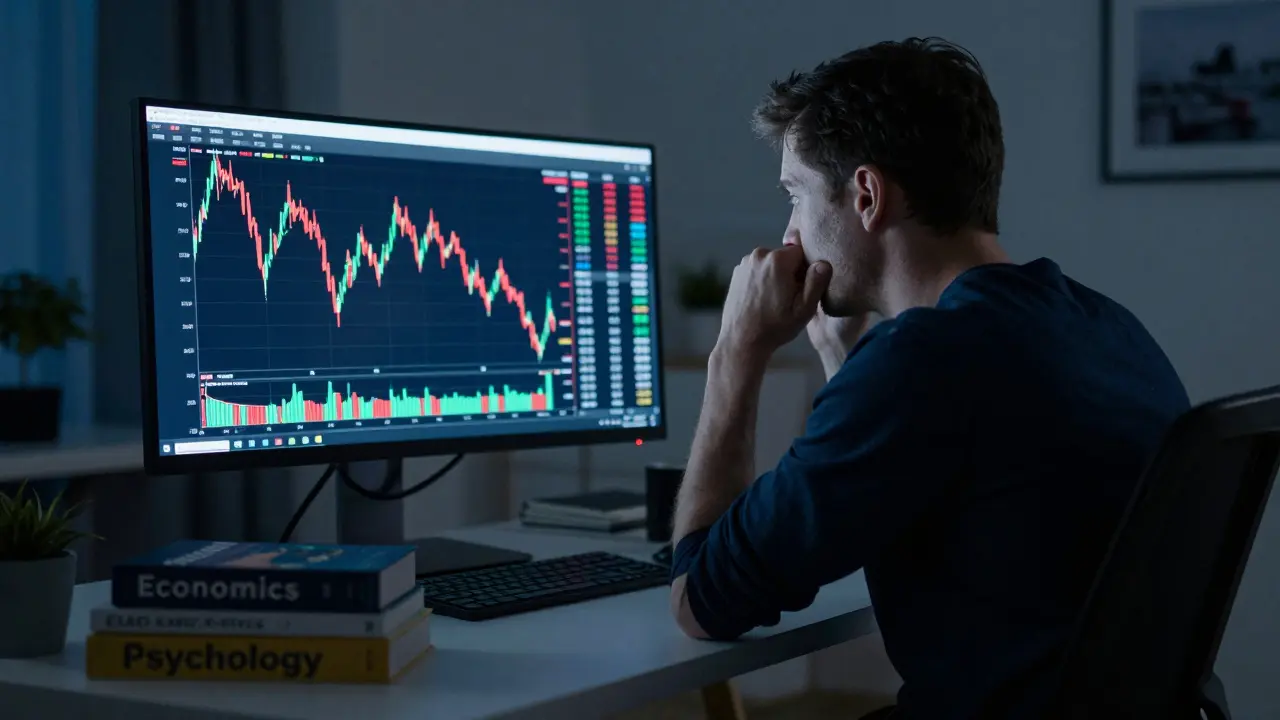
Watching your Bitcoin balance drop by 60% in a single quarter is not just stressful-it’s terrifying. Yet, if you look at the history of Bitcoin a decentralized digital currency with a fixed supply cap of 21 million coins, those who sold during the panic missed out on massive gains later. This is the core paradox of being a long-term holder, or "HODLer." You have to endure extreme pain to capture exponential rewards. But simply buying and forgetting isn’t enough anymore. With institutional adoption growing and price milestones like $100,000 becoming reality, the strategy needs more nuance than it did in 2013.
The goal here isn’t to predict the top or bottom of the market. That’s impossible. Instead, we’re looking at how to structure your holdings so that you can sleep at night during crashes while still capturing the upside during bull runs. We’ll break down the psychology, the math, and the practical steps of holding Bitcoin for years, not days.
The Math Behind the Wait: Why Time Beats Timing
Let’s be clear about one thing: timing the market is a losing game for most people. Data from platforms like TradingKey shows that an investor who bought Bitcoin at $100 in 2013 and held through the brutal 70-80% crash of 2014-2015 ended up with roughly $20,000 per coin by 2017. That’s a 20,000% return. The key wasn’t avoiding the dip; it was surviving it.
Bitcoin operates on a model of programmed scarcity. Unlike fiat currencies, which central banks can print endlessly, Bitcoin has a hard cap of 21 million coins. Every four years, the network undergoes a Halving an event that cuts the reward for mining new blocks in half, reducing the rate of new supply issuance. This means less new Bitcoin enters the market every cycle. If demand stays steady or grows, basic economics suggests price appreciation over time.
- Fixed Supply: Only 21 million will ever exist.
- Decreasing Issuance: New coins become scarcer every halving.
- Growing Demand: Institutional ETFs and corporate treasuries are adding buyers.
This structural imbalance is why long-term holding works. You aren’t betting on hype; you’re betting on mathematics. However, understanding the math doesn’t protect you from the emotional toll of watching red charts. That brings us to strategy.
Core vs. Satellite: The Hybrid Approach
Pure HODLing-buying once and never touching it-is great if you have nerves of steel. But most of us don’t. We get anxious when prices drop and greedy when they rise. The solution? Split your portfolio into two parts: the Core and the Satellite.
This model is widely recommended by analysts because it balances conviction with flexibility. Here’s how it typically breaks down:
| Component | Allocation | Strategy | Goal |
|---|---|---|---|
| Core | 70-80% | Buy and hold indefinitely | Capture long-term scarcity value |
| Satellite | 20-30% | Active trading/swing trading | Generate cash flow, reduce anxiety |
Your Core position is your anchor. You buy this portion with the intention of holding it for decades. You ignore daily news. You don’t sell when it drops 20%. This part of your portfolio benefits directly from the halving cycles and long-term adoption.
Your Satellite position is your playground. This is where you practice technical analysis, set stop-losses, and try to profit from short-term swings. If you lose money here, it doesn’t ruin your overall investment because your Core is still intact. If you win, you can reinvest profits into the Core. This hybrid approach solves the "fear of missing out" (FOMO) problem. You’re always exposed to Bitcoin’s growth via the Core, but you also have active engagement via the Satellite.

Risk Management: Surviving the 80% Drops
Here is the harsh truth: Bitcoin will likely drop 60-90% multiple times in its lifetime. It happened in 2011, 2014, 2018, and 2022. If you aren’t prepared for this, you will panic sell. And if you panic sell, you lose.
Risk management isn’t just about setting stop-losses (which mostly apply to your Satellite trades). It’s about sizing your position correctly. Ask yourself: "If this goes to zero tomorrow, does my life end?" If the answer is yes, you own too much Bitcoin.
Financial advisors often suggest these allocation guidelines based on risk tolerance:
- Conservative Investors: 1-5% of total portfolio. This allows you to participate in potential upside without catastrophic impact if Bitcoin fails.
- Moderate Investors: 5-10%. A balanced approach for those who understand volatility but need stability elsewhere.
- Aggressive Investors: 10-20%. For those with high income, diversified assets, and strong conviction in the technology.
Never invest money you need for rent, bills, or emergencies. Bitcoin should only represent capital you can afford to lock away for years. This psychological safety net is what allows you to hold through bear markets without checking your phone every hour.
The Psychology of Holding: Ignoring the Noise
Michael Saylor, Executive Chairman of MicroStrategy a business intelligence company that holds a significant amount of Bitcoin on its balance sheet, has been one of the loudest voices for long-term holding. His philosophy is simple: buy, hold, and ignore the noise. He argues that early adopters who did nothing for years outperformed active traders because they avoided emotional decision-making.
But ignoring the noise is hard. Media outlets love extremes. They scream "Crypto Crash!" when prices dip and "To the Moon!" when they spike. Both headlines are designed to trigger emotion, not inform decisions. As a HODLer, you must train yourself to view volatility as a feature, not a bug. Volatility creates opportunities for you to buy more at lower prices if you have dry powder.
Consider the data from Binance in 2025-2026. When Bitcoin approached $100,000, the percentage of long-term holders dropped from 60% to 50%. Why? Because even die-hard believers took some profits. This is normal. Taking partial profits reduces stress and locks in gains. The mistake isn’t selling; the mistake is selling everything and exiting the ecosystem entirely.
Practical Implementation: Custody and Accumulation
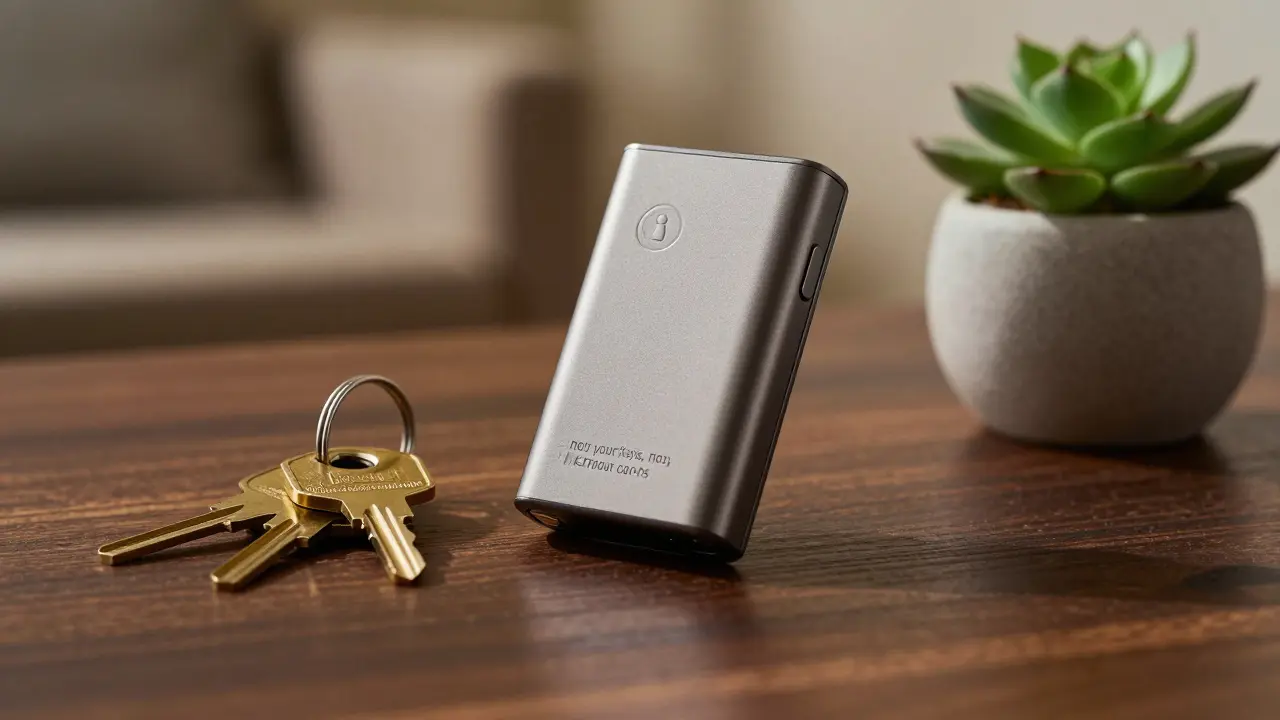
Strategy is useless if you lose your keys. In the world of Bitcoin, custody is paramount. "Not your keys, not your coins" is a mantra for a reason. Leaving large amounts of Bitcoin on exchanges exposes you to counterparty risk-the chance that the exchange gets hacked, goes bankrupt, or freezes withdrawals.
For long-term holders, the gold standard is self-custody using a Hardware Wallet a physical device that stores private keys offline, protecting them from online hacks. Devices like Ledger or Trezor keep your keys isolated from internet-connected devices. For even larger sums, multi-signature setups add another layer of security by requiring multiple approvals to move funds.
How do you accumulate? Dollar-Cost Averaging (DCA) is the most effective method for most people. Instead of trying to time the perfect entry point, you buy a fixed amount at regular intervals-weekly or monthly. This smooths out your average purchase price. You buy more Bitcoin when prices are low and less when they are high. Over time, this removes the emotional pressure of "getting it right" and turns investing into a disciplined habit.
When to Reassess Your Thesis
Holding doesn’t mean blind faith. You must periodically check if the fundamental reasons for owning Bitcoin still hold true. Is the network secure? Is adoption growing? Is the regulatory environment supportive?
If the fundamentals remain strong, price drops are buying opportunities. If the fundamentals break-for example, if a critical vulnerability is found in the code or if governments ban all ownership-then reassessing is necessary. But as of 2026, Bitcoin’s fundamentals have never been stronger. Institutional ETFs, corporate treasuries, and global recognition have cemented its status as a major asset class.
Remember, the goal of long-term holding is wealth preservation and growth over decades. It requires patience, discipline, and a healthy respect for volatility. By splitting your portfolio, managing risk, and securing your assets, you position yourself to benefit from Bitcoin’s unique economic model without letting emotions drive you off the cliff.
What is the best strategy for long-term Bitcoin holding?
The most robust strategy is the "Core and Satellite" model. Allocate 70-80% of your Bitcoin to a "Core" position that you hold indefinitely, regardless of price movements. Use the remaining 20-30% as a "Satellite" for active trading or tactical adjustments. This approach ensures you capture long-term appreciation while allowing flexibility to manage short-term volatility.
Is it safe to hold Bitcoin for 10+ years?
It can be, provided you use secure custody methods. Self-custody via hardware wallets or multi-signature setups is essential for long-term safety. Additionally, ensure your allocation fits within your broader financial plan so that a total loss would not devastate your lifestyle. Historically, long-term holders have seen significant returns despite periodic crashes.
How much of my portfolio should be in Bitcoin?
This depends on your risk tolerance. Conservative investors often allocate 1-5%, moderate investors 5-10%, and aggressive investors 10-20%. Never invest money you need for immediate expenses. The key is to size your position so you can comfortably withstand 60-80% drawdowns without panic selling.
Should I sell when Bitcoin hits new highs?
You can take partial profits, especially from your "Satellite" allocation, to reduce stress and lock in gains. However, selling your entire "Core" position risks missing out on future appreciation driven by Bitcoin’s fixed supply and increasing adoption. Many successful HODLers only rebalance rather than fully exit.
What is Dollar-Cost Averaging (DCA)?
DCA is an investment strategy where you buy a fixed dollar amount of Bitcoin at regular intervals, regardless of price. This reduces the impact of volatility by averaging your entry price over time. It eliminates the need to time the market and helps build a substantial position gradually with smaller, manageable investments.
