
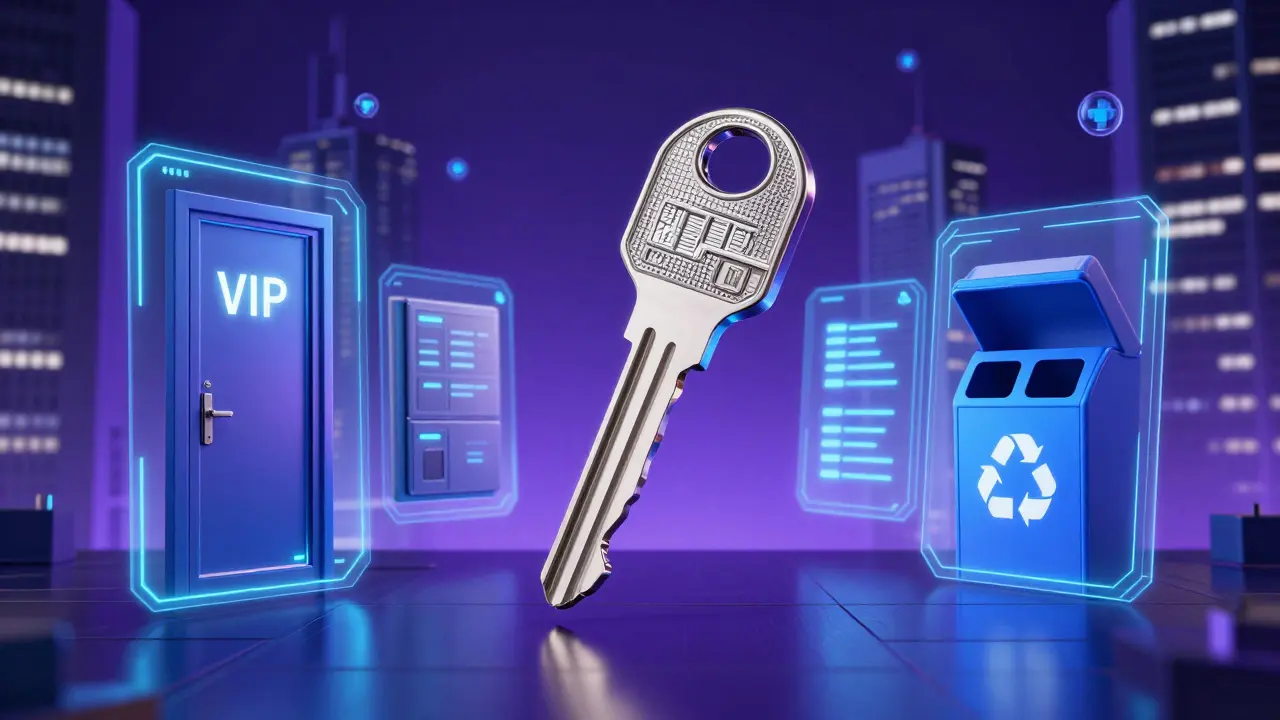
Most people think of NFTs as digital art you buy to show off on your profile. But that’s not the whole story anymore. Since 2021, the NFT market has shifted hard - not toward more pixelated apes or cartoon cats, but toward tokens that actually do something. These are utility NFTs: digital keys that unlock access, rewards, services, or even real-world experiences. They’re not just proof of ownership. They’re proof of participation.
What Makes a Utility NFT Different?
A regular NFT is like owning a signed poster. It’s yours. You can resell it. Maybe it goes up in value. But that’s it. A utility NFT is more like a VIP membership card - except it’s digital, secure, and works across apps and platforms. The difference shows up in the code. Most utility NFTs use the ERC-1155 standard on Ethereum, not the older ERC-721. Why? Because ERC-1155 lets one contract handle both unique tokens and fungible ones - meaning a single NFT can give you access to a private Discord, a discount code, and a digital ticket to an event, all in one. About 78% of active utility NFT projects now use this standard, according to Strategency’s 2023 analysis. These NFTs also have dynamic metadata. That means the data attached to the token can change. Your NFT might start as a ticket to a concert, then turn into a backstage pass after you attend. Or it could unlock new features in a game after you complete a challenge. Time-based triggers are common: 64% of utility NFTs have built-in expiration dates or conditional access rules, according to Research AIMultiple.Real Examples: NFTs That Actually Work
Let’s look at what this looks like in practice. Lacoste’s UNDW3 program lets you buy an NFT that gives you access to exclusive product drops, virtual store experiences, and early sales. Users who bought the NFT for 0.15 ETH (about $250 at the time) got three exclusive drops in 2023 - things you couldn’t buy anywhere else. That’s not just a collectible. That’s a loyalty program with teeth. FlyFish Club in Miami is another example. Pay $300 for their NFT, and you get access to a members-only restaurant, private events, and a digital badge that proves you’re part of the group. But here’s the twist: you can resell your membership NFT on secondary markets. No permission needed. 37% of memberships were resold within six months - something traditional exclusive clubs can’t do without legal headaches. Then there’s Aimedis, a healthcare platform that uses NFTs to verify medical records. Your health data is encrypted and stored off-chain. The NFT acts as a key that lets you grant doctors access to your records. It’s built on Chainlink oracles to make sure the data is real and hasn’t been tampered with. This isn’t marketing fluff - it’s solving a real problem: patients losing control of their own medical history. Even environmental projects are jumping in. Regenerative Resources Co raised $2.3 million by selling NFTs tied to documentary films. Buyers didn’t just get a digital file - they got voting rights on which environmental projects to fund next. 87% of buyers said they bought because of the utility, not the art.Why Businesses Are Betting Big
Companies aren’t just playing around. They’re seeing real results. PixelPlex studied Circularr, a recycling program that used NFTs to reward users for turning in plastic bottles. Compared to their old point system, user engagement jumped 327%. People were recycling 8.3 times a month - up from 2.1. Why? Because the NFT gave them status. It was trackable. It could be traded. It felt like owning something real. Deloitte’s 2023 survey found that 67% of enterprises using utility NFTs saw customer lifetime value increase by at least 25%. That’s huge. Traditional loyalty programs have high churn. NFTs? They create community. They create scarcity. And they let users own a piece of the experience. Nike’s $180 million acquisition of RTFKT Studios in 2021 was a turning point. Suddenly, big brands realized: this isn’t a fad. It’s a new way to connect with customers. Adidas followed with $24 million in The Sandbox. Gucci spent $20 million on virtual fashion. Balenciaga dropped four outfits in Fortnite. These aren’t just marketing stunts. They’re testing new sales channels.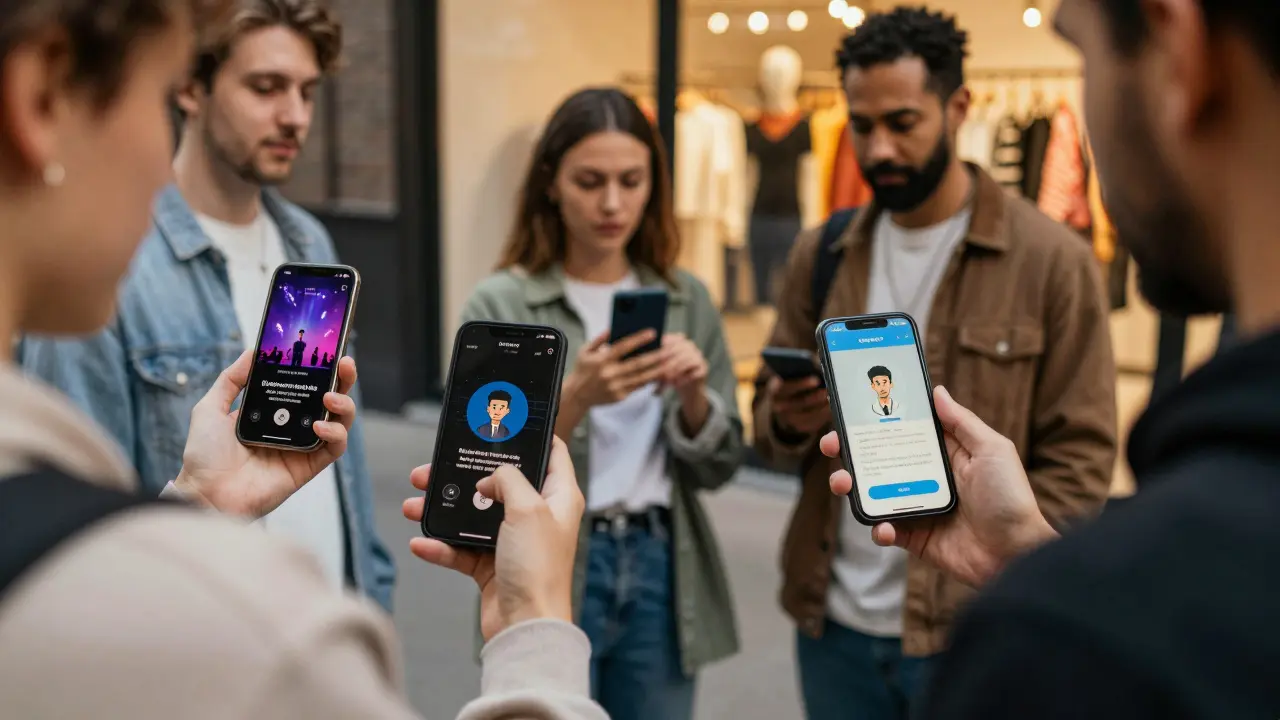
The Downside: Why Most Utility NFTs Fail
Here’s the truth: most utility NFTs don’t work. Gigster’s 2023 analysis found that 68% of failed utility NFT projects collapsed because of technical integration issues. Building a smart contract is one thing. Connecting it to a CRM, an email system, a payment gateway, and a physical retail database? That’s another. Successful projects average 4.7 API connections. Most teams can’t pull that off. User experience is another killer. If your NFT requires a wallet, seed phrase, and gas fees just to get a discount, you’re losing 90% of potential users. 41% of failed projects cited UX friction as the main reason people walked away. And then there’s the broken promise problem. Reddit user u/NFTDisappointed paid 0.08 ETH for a membership NFT that promised weekly discounts. The platform shut down two months later. No refunds. No explanation. Trustpilot data shows 38% of negative reviews for utility NFT platforms cite “broken promises” as the top complaint. Regulation is a wildcard too. In 2022-2023, 43% of NFT-backed lending platforms faced legal challenges. The EU’s MiCA regulations, which took effect in January 2024, now require clear disclosures for any NFT with financial utility. In the U.S., it’s still a mess - state by state, no clear rules.What It Takes to Build a Successful Utility NFT
If you’re thinking about building one, here’s what works: Start small. PixelPlex’s Circularr didn’t launch with full rewards. They started with one thing: verifying a bottle drop. That’s it. Then they added points. Then discounts. Then trading. That’s called an MVU - Minimum Viable Utility. Don’t try to build a whole ecosystem on day one. Use the right tools. Solidity is non-negotiable - 87% of projects use it. API integration skills are needed in 76% of cases. And UX design? 68% of successful projects had dedicated designers to make onboarding simple for non-tech users. Costs vary. A basic membership NFT might cost $75,000 to build. An enterprise supply chain solution? Over $450,000. Most projects take 6-9 months from idea to launch. Documentation matters. Aimedis scores 4.5/5 for developer docs. Many consumer NFTs? 2.8/5. If developers can’t understand how your system works, they won’t build on it.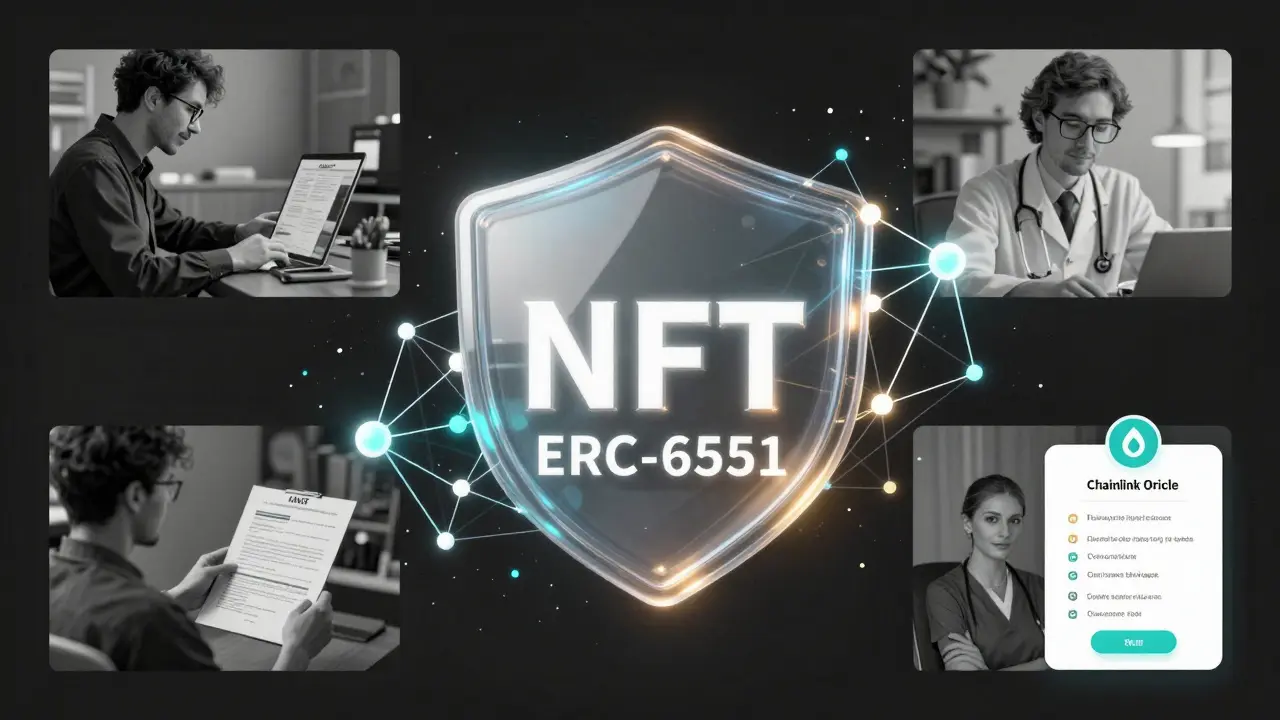
What’s Next for Utility NFTs?
The next big leap is ERC-6551, introduced by Ethereum in June 2023. This lets NFTs act like their own wallets. Your NFT can hold other tokens, NFTs, or even interact with other smart contracts - all without you needing to manage multiple wallets. Already, 31% of new utility NFTs use it. Zero-knowledge proofs are coming in Q2 2024. That means you can prove you own a membership without revealing your identity. Huge for privacy-sensitive uses like healthcare or finance. Microsoft’s ION project is piloting NFT-based professional credentials. 47 major employers are testing them. Imagine a job application where your degree, certifications, and references are all stored as verifiable NFTs. No need for transcripts. No need for background checks. Just a digital key. By 2025, Gartner predicts 30% of consumer brands will use utility NFTs. But only 15% will get real ROI. Fashion and gaming will lead. Healthcare and government? Still lagging because of regulation.Should You Buy a Utility NFT?
Ask yourself: What am I actually getting? If it’s just a JPEG with a fancy name - walk away. If it gives you access to something real - events, discounts, voting rights, services - then it’s worth looking at. Check the team. Check the roadmap. Check if the utility is live, not just promised. Retention rates tell the story. Utility NFT projects with working features keep 45% of users after six months. Collectible-only NFTs? Just 18%. That’s not a coincidence. People stick around when they get value. The future of NFTs isn’t in speculation. It’s in usefulness. The tokens that solve real problems - access, identity, loyalty, verification - are the ones that will last. The rest? They’ll fade into the noise.What is the main difference between a regular NFT and a utility NFT?
A regular NFT proves you own a digital item - like a piece of art. A utility NFT gives you access to something beyond ownership: discounts, events, services, voting rights, or real-world perks. It’s not just a certificate - it’s a functional key.
Are utility NFTs a good investment?
Not necessarily. Utility NFTs aren’t designed to be speculative assets. Their value comes from the benefits they unlock. If the utility disappears - like a closed platform or broken feature - the NFT loses its worth. Buy them for access, not for flipping.
Which blockchains support utility NFTs best?
Ethereum leads with ERC-1155 and ERC-6551 standards, making it the most flexible for complex utilities. Cardano also supports native token utilities with low fees. Other chains like Solana and Polygon are gaining traction for faster, cheaper transactions, especially in gaming and retail.
Can I resell a utility NFT?
Usually, yes - unless the project’s smart contract restricts it. Many utility NFTs are designed to be transferable, which is one of their biggest advantages over traditional memberships. FlyFish Club, for example, allows resale without approval, letting users profit from their access rights.
What’s the biggest risk when buying a utility NFT?
The biggest risk is the project failing to deliver on its promises. Many NFTs claim utility but never launch the features. Check if the utility is live, review the team’s track record, and look for active community updates. If the Discord is quiet and the website hasn’t changed in six months, walk away.

Comments (12)
Jess Ciro December 19 2025
This is just the government's way of tracking your spending through blockchain. They'll tax your NFT discount next. Mark my words.Kate Tran December 20 2025
i mean... i bought a nft for a coffee discount and the app crashed. still got my latte tho. weird.amber hopman December 22 2025
I really like how this breaks down the real use cases. The part about Aimedis and medical records? That’s huge. Imagine not having to fax your history every time you see a new doctor. It’s not magic, it’s just better system design.Jim Sonntag December 23 2025
So we’re paying crypto to get a VIP pass now? Next they’ll sell us NFTs to breathe clean air. At least the meme coins gave us laughs. This just feels like a corporate loyalty program with extra steps and gas fees.Deepak Sungra December 25 2025
bro why are we even talking about this? 68% fail. most people dont even know what a wallet is. this is just rich guys playing with blockchain while the rest of us struggle to pay rent. no thanks.Samar Omar December 27 2025
The conceptual elegance of ERC-6551 is nothing short of revolutionary-finally, the NFT transcends its role as a mere token and evolves into a sovereign agent within the decentralized ecosystem. The ontological implications for digital identity are profound, and frankly, most commenters here lack the intellectual rigor to appreciate the paradigm shift. This isn’t about discounts. It’s about redefining ownership in the post-capitalist age.chioma okwara December 28 2025
you say ERC-1155 but you misspelled it in the article. its ERC-1155 not ERC-1155. also grammar is important. stop being lazy.Sarah Meadows December 28 2025
This is why America leads. Utility NFTs are the future of secure digital identity. We’re not just selling JPEGs-we’re building sovereign access layers. China’s digital yuan can’t touch this. This is economic sovereignty.VIRENDER KAUL December 29 2025
The technical feasibility of integrating smart contracts with legacy enterprise systems remains statistically improbable. The API dependency graph presented is overly optimistic. Moreover, the assumption that non-technical users will adopt wallet-based access without friction is empirically unsound. The data presented lacks peer-reviewed validation.Mbuyiselwa Cindi December 30 2025
I’ve helped three people set up wallets just to get their NFT discounts. It’s messy but worth it. If you’re patient and walk them through it step by step, even your grandma can do it. Don’t give up on the tech just because it’s new.Krzysztof Lasocki January 1 2026
You think this is bad? Wait till the government starts taxing your NFT birthday cake. But hey, at least we’re not paying $200 for a JPEG of a monkey anymore. Progress?Henry Kelley January 2 2026
I bought one for a concert ticket and it worked. No drama. No wallet panic. Just scanned it at the gate. Simple. Effective. That’s all I need.