
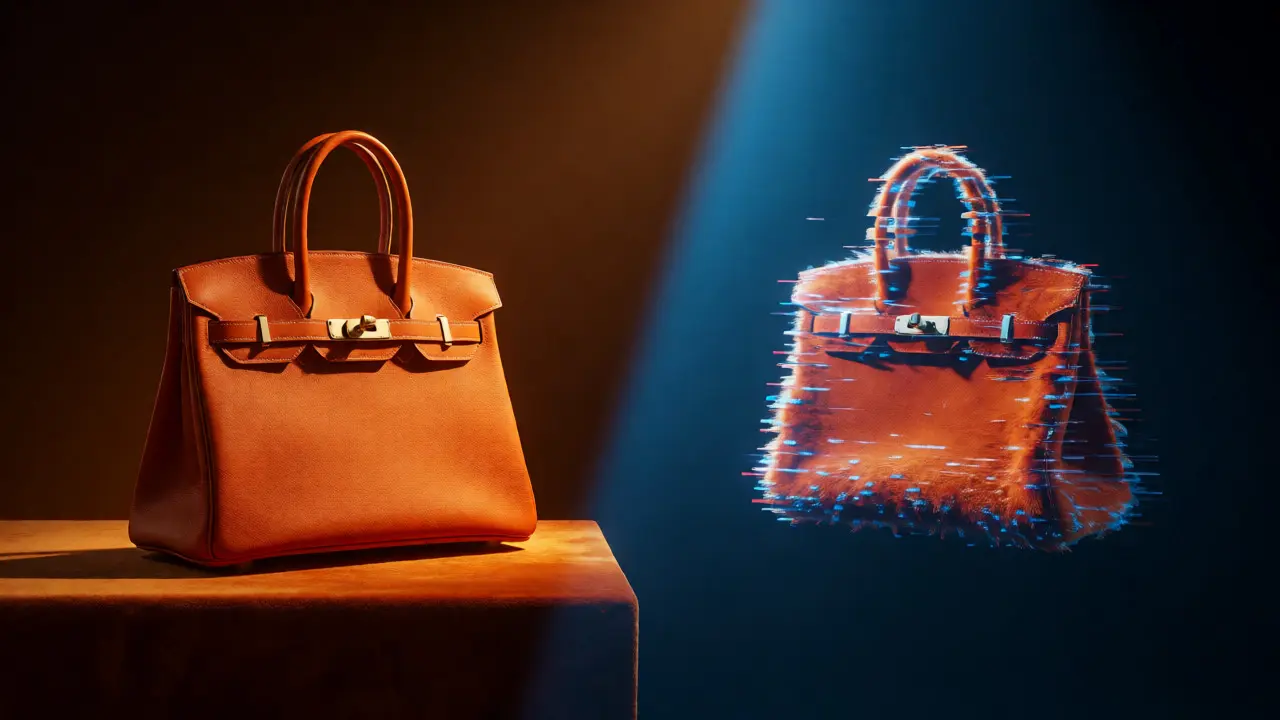
Imagine spending millions on a luxury handbag, only to have someone else sell a digital version of it as an NFT without your permission. That is exactly what happened with the Hermès vs. Rothschild case, where a jury awarded $133,000 for trademark infringement involving "MetaBirkins." This lawsuit wasn't just about art; it was a wake-up call for every major brand considering a move into Web3. It proved that owning a token doesn't automatically mean you own the right to use a famous logo or character commercially.
If you are a brand manager or a legal counsel looking at NFT collaborations, you need to look past the hype. The market has shifted from speculative profile pictures to utility-driven partnerships involving physical goods, gaming, and loyalty programs. But the legal and financial structures remain complex. How do you protect your trademark while letting creators build on top of your brand? And how do you ensure money actually reaches your bank account when marketplaces change their royalty rules overnight?
| Brand/Project | Collaboration Type | IP Rights Granted to Holder | Revenue Model Highlights |
|---|---|---|---|
| Adidas | Limited Edition Drop (Into the Metaverse) | Limited personal display; no broad commercial use | ~$23.7M primary sale; physical redemption vouchers |
| Nike (RTFKT) | Vertical Integration & Virtual Sneakers | Commercial use allowed up to $1M revenue cap | >$200M total revenue; hybrid physical-digital sales |
| Bored Ape Yacht Club | Community Licensing | Broad worldwide commercial license for derivatives | Royalty-free for holders; value driven by community IP |
| Pudgy Penguins | Physical Retail Partnership | Holder voting on retail partners; shared profits | $13M+ retail revenue; Walmart/Amazon distribution |
The Misconception of Token Ownership
Let's clear up the biggest confusion in the space: buying an NFT does not buy you the copyright. When you purchase a token on Ethereum, you are buying a receipt that points to a file stored elsewhere. The USPTO has clarified that an NFT itself is often too vague to serve as a good or service for trademark registration unless you specify exactly what it authenticates-like downloadable virtual clothing or entertainment services.
This distinction is critical for brands. If you license your trademark to an NFT project, you must explicitly state whether the buyer gets personal use rights, limited commercial rights, or full ownership of the underlying artwork. Without this clarity, you risk diluting your brand or facing lawsuits like the one against Mason Rothschild. He argued his furry Birkin bags were artistic expression, but the court found consumers were likely confused about the source of the product. Your legal strategy needs to define these boundaries before a single token is minted.
Structuring Trademark Controls
Trademark control is the backbone of any successful brand collaboration. You cannot simply hand over your logo and hope for the best. A robust licensing agreement must define the exact marks, territories, and channels involved. For instance, does the license cover physical merchandise, virtual worlds like Decentraland, or social media profile pictures?
Quality control is equally important. Brands need approval rights over artwork, metadata, and marketing copy. If a creator uses your brand in a way that clashes with your values, you need immediate termination clauses. The International Trademark Association recommends agreements that preserve the brand owner’s ultimate control over intellectual property. This means prohibiting unauthorized assignments of copyright and trademarks. Think of it like franchising: you want partners who enhance your brand equity, not those who erode it through poor execution.
You also need to consider anti-counterfeiting measures. In the digital realm, this involves monitoring for fake collections and phishing domains. Smart contracts can help, but they aren't foolproof. If a marketplace allows users to bypass standard verification protocols, your brand could appear alongside low-quality imitations. Establishing an allowlist of approved marketplaces helps maintain integrity.

Designing Effective Revenue Sharing
Money talks, but in NFTs, it speaks in code. However, code alone isn't enough. You need a written agreement that details how revenue is split between the brand, the creator, the platform, and other stakeholders. A typical waterfall might allocate 20% of gross primary sales to the brand, 30% to the creator, and 10% to the platform, with the remainder covering production costs.
But here is the catch: secondary market royalties are fragile. In 2023, major marketplaces like OpenSea made creator fees optional, and Blur’s rise pressured many projects to drop royalties entirely to compete on volume. Data from Nansen showed effective creator royalties dropped from an average of 2.5% in 2022 to 0.6% by mid-2023. If your business model relies solely on perpetual secondary sales, you are exposed to significant risk.
To mitigate this, focus on primary sale economics and minimum guarantees. Adidas, for example, generated approximately $23.7 million from its "Into the Metaverse" drop primarily through upfront sales, not just ongoing royalties. Similarly, Nike’s RTFKT division has generated over $200 million by integrating virtual collectibles with physical sneaker releases. These models provide more predictable cash flow than relying on volatile trading volumes.
Smart Contracts vs. Legal Reality
Smart contracts automate payments, sending a percentage of each sale directly to designated wallets. This transparency is appealing, but it has limitations. A smart contract cannot enforce off-chain sales, handle wrapped tokens, or manage private transfers. It also doesn't account for chargebacks, gas fee fluctuations, or tax implications.
Furthermore, bugs in the code can lead to lost funds or incorrect distributions. Always audit your smart contracts and test them thoroughly on the intended blockchain network. More importantly, link the smart contract to a legally binding written agreement. The code should execute the terms, but the law should interpret them. If there is a dispute, a judge will look at the text of your license, not just the transaction history on Etherscan.
Consider the Bored Ape Yacht Club (BAYC) model. They granted holders a worldwide, royalty-free commercial license. This decision fueled massive community engagement and derivative works, from coffee brands to beer labels. However, it also meant the original creators didn't capture direct revenue from every single t-shirt sold. Each approach has trade-offs. Do you want maximum brand exposure and community goodwill, or tighter control and direct profit capture?
Practical Steps for Launching a Collaboration
Before launching, conduct thorough IP clearance. Confirm you own or have sublicensable rights to every asset, including fonts, music, and third-party likenesses. Search trademark registers for conflicts in both physical and virtual classes. Remember, protection for a physical shoe doesn't automatically extend to a virtual sneaker in the metaverse.
- Define Objectives: Are you driving sales, building community, or testing new markets?
- Select Partners Carefully: Choose creators whose audience aligns with your brand values.
- Draft Clear Terms: Specify usage rights, territory, duration, and exclusivity.
- Audit Smart Contracts: Ensure royalty logic matches your financial model.
- Monitor Post-Launch: Track secondary sales, counterfeit attempts, and sentiment.
Financial reconciliation is another pain point. Marketplaces report data differently, and wallet addresses can be messy. Use specialized accounting tools to track inflows and outflows. Don't assume the numbers add up automatically. Regular audits prevent surprises during tax season.
The Future of Brand-NFT Partnerships
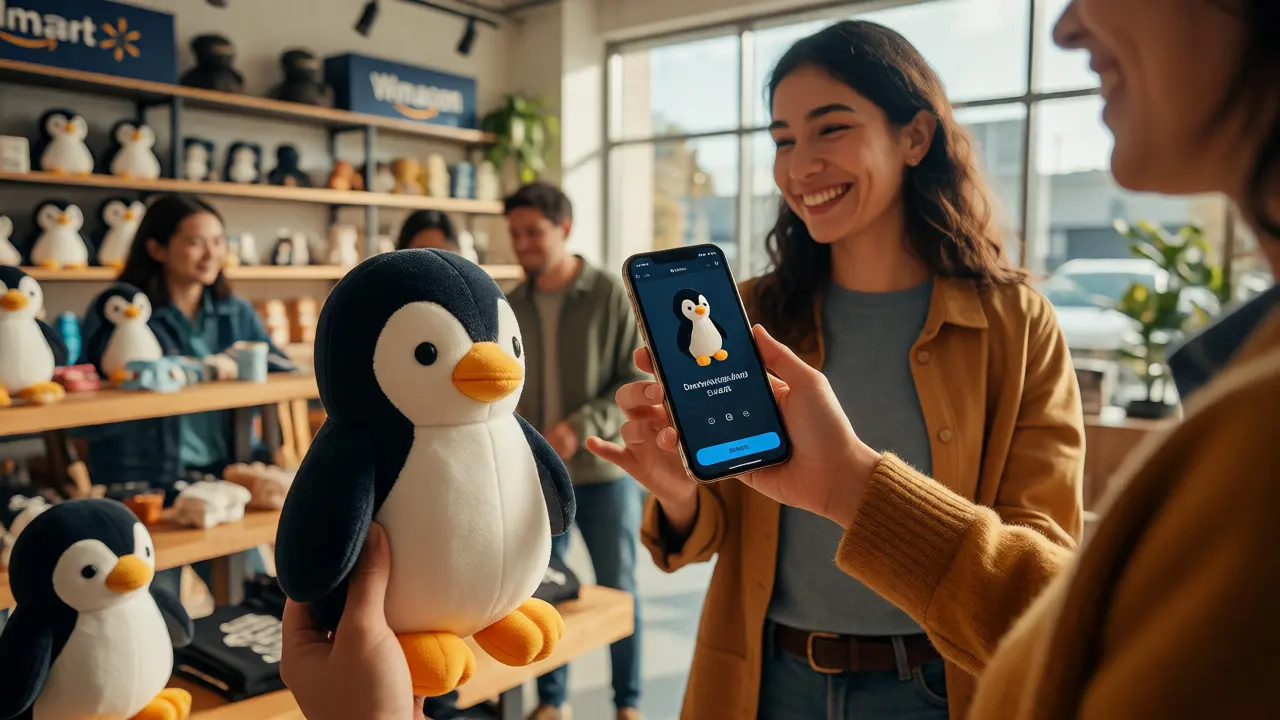
As we move further into 2026, the trend is shifting toward utility. Brands are using NFTs for loyalty programs, event tickets, and authenticated physical products. Pudgy Penguins exemplifies this shift. By partnering with retailers like Walmart and Amazon, they turned a digital collection into a tangible toy empire, generating over $13 million in retail revenue. Holders voted on partnerships, creating a sense of ownership beyond the screen.
This community-driven licensing model offers a blueprint for future collaborations. It balances brand control with holder empowerment. Instead of fighting the decentralization inherent in Web3, brands can leverage it to create deeper customer relationships. The key is to treat NFTs not as speculative assets, but as access keys to exclusive experiences and products.
Ultimately, success depends on conventional licensing discipline combined with technological innovation. Blockchain improves provenance and visibility, but it doesn't replace legal contracts or strategic planning. Focus on recurring utility, trusted execution, and diversified revenue streams. If you can solve the problems of trust and payment automation, NFT collaborations can become a sustainable part of your growth strategy.
Does buying an NFT give me copyright to the image?
No, typically not. Buying an NFT usually grants you a receipt of ownership for the token itself, not the underlying copyright. Unless the license explicitly states otherwise, you generally only have personal display rights. Commercial use requires specific permission from the brand or creator.
Are secondary market royalties guaranteed in NFT sales?
No. While smart contracts can embed royalty percentages, marketplaces have increasingly made these payments optional. Platforms like Blur and OpenSea have changed policies, allowing buyers to skip royalties. Brands should rely on primary sales and contractual guarantees rather than assuming perpetual secondary income.
How do brands protect their trademarks in the metaverse?
Brands must register trademarks specifically for virtual goods and services. Protection for physical products does not automatically extend to digital versions. They also need active monitoring for counterfeits and strict quality control clauses in licensing agreements to prevent brand dilution.
What is the most common revenue model for brand-NFT collaborations?
A hybrid model is common, combining upfront licensing fees or minimum guarantees with a percentage of primary sales. Some deals include physical product royalties if the NFT acts as a voucher. Pure secondary royalty models are becoming less reliable due to marketplace competition.
Can NFT holders sue a brand for trademark infringement?
Yes, if the brand misuses the holder's licensed IP or violates the terms of the commercial license. Conversely, holders can infringe on the brand's trademark if they exceed the scope of their license, such as selling unauthorized merchandise without proper attribution or compliance.
