
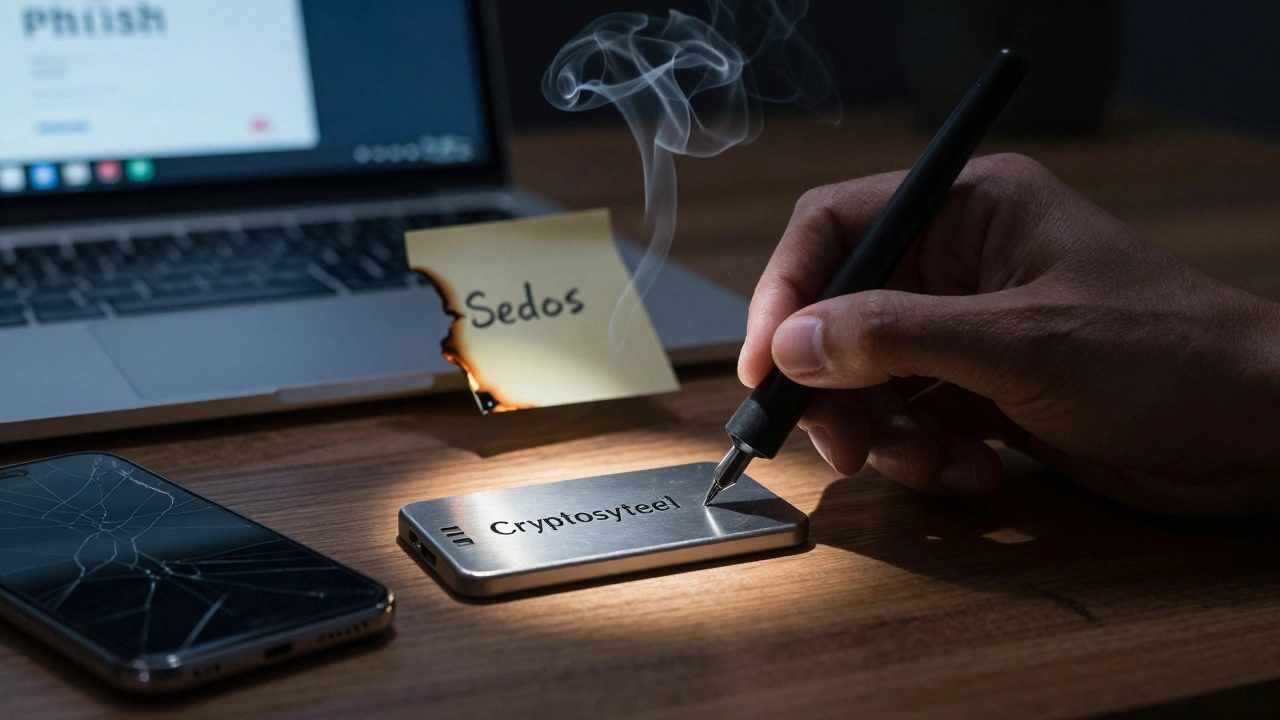
Every year, billions of dollars vanish from crypto wallets-not because the blockchain was hacked, but because someone clicked the wrong link, wrote down their seed phrase on a sticky note, or trusted a fake support agent. The truth? Crypto security isn’t about fancy tech. It’s about habits. And if you’re not treating your private keys like they’re the last copy of a will in a fire, you’re already at risk.
Your Seed Phrase Is Your Life Savings-Don’t Treat It Like a Password
Your 12- or 24-word seed phrase is the master key to every crypto asset you own. Lose it? Gone forever. Share it? Gone forever. Store it in your Notes app, iCloud, Google Drive, or email? That’s like leaving your house key under the doormat and posting a photo of it on social media. In 2023, Chainalysis reported that 34% of all crypto thefts happened because people saved their seed phrases digitally. That’s not a mistake. That’s negligence.
Use a metal backup. Devices like Cryptosteel or Billfodl are designed to survive fire, water, and time. Write your seed phrase on it with a steel stylus. Store one copy in a home safe, another in a safety deposit box, and a third with a trusted family member who knows what it is and how to use it. No cloud. No photos. No text messages. Ever.
Hardware Wallets Are Non-Negotiable for Long-Term Holding
If you own more than a few hundred dollars in crypto, you need a hardware wallet. These are small devices-like Ledger Nano X or Trezor Model T-that store your private keys offline. They’re built with secure chips (EAL6+ certified) that physically block remote access. Even if your computer gets infected with malware, your funds stay safe.
Don’t be fooled by free software wallets like Exodus or MetaMask for long-term storage. They’re convenient for trading, but they’re always connected to the internet. That makes them targets. The rule is simple: 90-95% of your crypto goes into a hardware wallet. Only keep what you plan to trade in the next 24 hours on a software wallet or exchange.
Hardware wallets cost $79 to $149. That’s less than a month of Netflix. Think of it as insurance. In 2022, over $1.2 billion was stolen from centralized exchanges. Not one major hardware wallet user lost funds to a remote hack.
Never Use SMS for Two-Factor Authentication
Two-factor authentication (2FA) sounds good-but SMS 2FA is broken. Criminals use SIM-swapping to hijack your phone number. Once they have it, they reset your email, bypass your exchange login, and drain your account. The Federal Trade Commission found that 21% of crypto account takeovers in 2022 started with a SIM swap.
Use an authenticator app instead. Google Authenticator, Authy, or Raivo. These generate codes locally on your device. No phone number needed. Set it up on your hardware wallet, exchange, and email accounts. And never lose access to your authenticator app. Back up your recovery codes the same way you back up your seed phrase: on metal, in multiple physical locations.
Multi-Signature Wallets Are the Gold Standard for Big Holders
If you hold over $10,000 in crypto, consider a multi-signature (multisig) wallet. It requires 2 out of 3 (or 3 out of 5) private keys to approve a transaction. That means even if one device is stolen or compromised, your funds are still safe.
One Reddit user lost his laptop to theft-but recovered all his funds because he used a 2-of-3 multisig setup. One key was on his hardware wallet at home, another on a second device stored in his office, and the third with his lawyer. No single point of failure. No single person with full control.
Setting up multisig isn’t hard. Wallets like Sparrow, Electrum, or Unchained Capital make it easy. The trade-off? Slightly slower transactions. But when you’re protecting life-changing sums, speed isn’t the priority-security is.
Exchanges Are Not Safe Places to Store Crypto
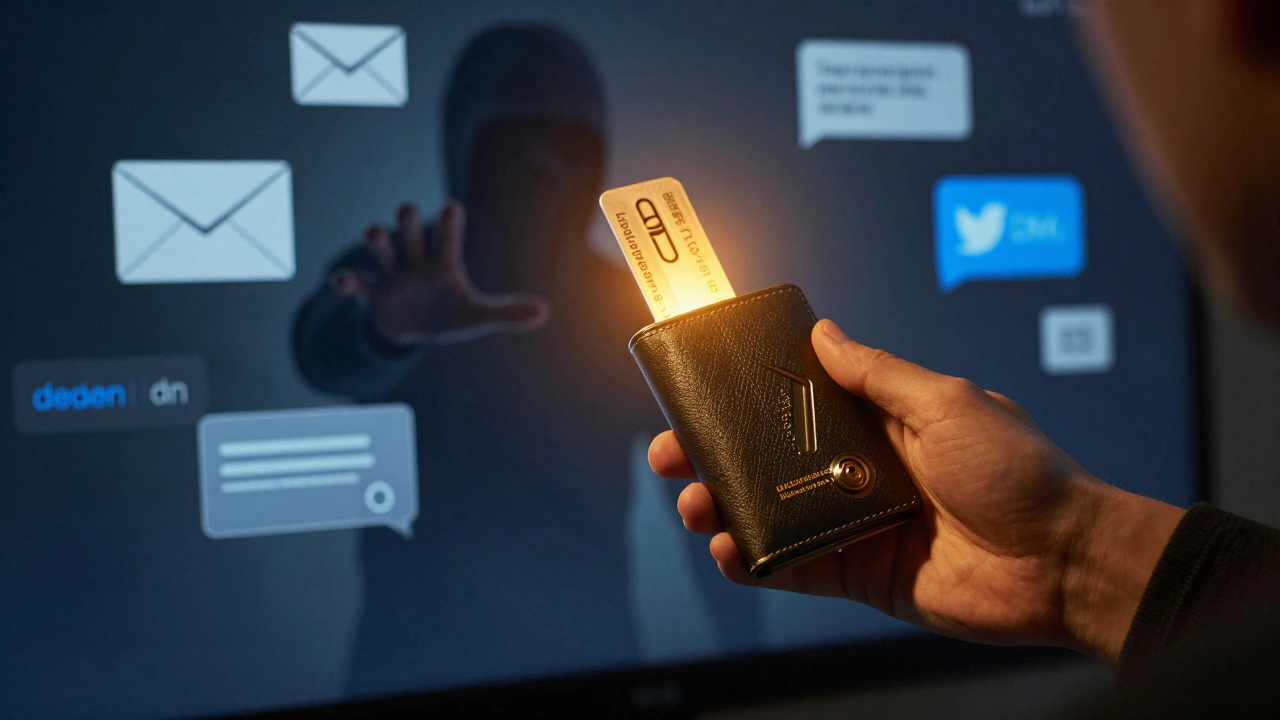
Coinbase, Binance, Kraken-they’re convenient. But they’re also targets. In 2021, Poly Network lost $600 million. In 2022, FTX collapsed, and users lost billions. Even exchanges that claim to store 98% of assets in cold storage have been hacked. Why? Because they’re centralized. One breach, one insider, one misconfiguration-and your money is gone.
Exchanges are for trading, not storing. Keep only what you need to buy or sell in the next few hours on an exchange. Move the rest to your hardware wallet within 24 hours. If you’re not doing this, you’re not owning your crypto-you’re renting it.
Smart Contracts and DeFi Are High-Risk Zones
DeFi platforms promise high yields, but they’re full of traps. A 2023 CertiK report found that 36% of DeFi smart contracts had exploitable bugs. One mistake in code-and your funds can be drained in seconds. The $600 million Wormhole bridge hack in 2022? A single line of faulty code.
Never invest more than you can afford to lose in DeFi. Always check if a protocol has been audited by reputable firms like OpenZeppelin or Trail of Bits. Look for audit reports on their website. If they don’t have one, walk away. And never connect your wallet to a site you found through a Twitter ad or a Discord DM. These are phishing traps.
Strong Passwords and Regular Updates Are Basic, But Often Ignored
A password like “Crypto123!” is useless. Hackers use automated tools that test millions of combinations in seconds. Use a password manager like Bitwarden or 1Password to generate and store unique, 14+ character passwords with numbers, symbols, and mixed case for every account.
Update your wallet software regularly. Ledger and Trezor push firmware updates to fix security flaws. Ignore them, and you’re leaving the door open. Set a calendar reminder: every quarter, check for updates on all your crypto tools.
Phishing Is the #1 Way People Get Scammed
You think you’re logging into your wallet. You’re not. You’re on a fake site that looks identical to Ledger’s or MetaMask’s. These sites are hosted on domains like “ledger-wallet[.]com” or “metamask-security[.]net”-tiny typos that fool even experienced users.
Never click links from emails, DMs, or Twitter. Always type the official URL yourself. Bookmark it. Use a password manager that auto-fills only the real site. If you get a message saying “Your wallet needs verification,” it’s a scam. Legit platforms never ask you to log in via DM.
On Reddit, 28% of negative reviews for hardware wallets mention phishing attempts targeting seed phrases. That’s not the device’s fault. It’s the user’s lack of awareness.
Zero Trust Is the Only Mindset That Works
Stop trusting anyone. Not the “support agent” who DMs you. Not the “free airdrop” that asks for your private key. Not the YouTube influencer pushing a new token. If it sounds too good to be true, it is. If it asks for your seed phrase, run.
Security isn’t a one-time setup. It’s a daily habit. Check your wallet balances. Review connected apps. Revoke access to old or unused platforms. Use tools like Revoke.cash to disconnect your wallet from suspicious contracts.
What Happens If You Get Hacked?
Nothing. That’s the hard truth. Blockchain transactions are irreversible. Once your crypto leaves your wallet, it’s gone. There’s no customer service line. No chargeback. No police who can freeze a Bitcoin address.
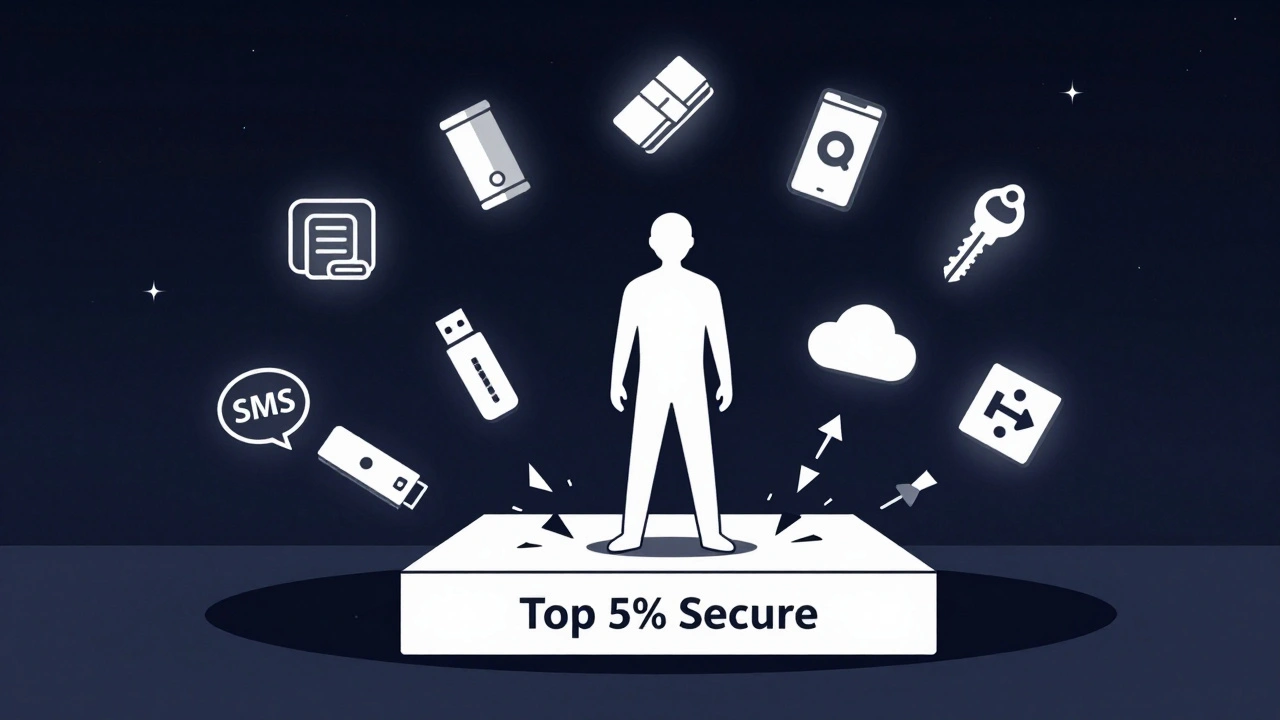
Your only defense? Prevention. If you’ve followed the steps above-hardware wallet, metal seed phrase, no SMS 2FA, no exchange storage-you’ve already put yourself in the top 5% of crypto users. Most people lose money because they’re lazy. You won’t.
Final Checklist: Your Crypto Security Routine
- Store seed phrase on metal, never digitally
- Use a hardware wallet for 90%+ of your holdings
- Enable authenticator app 2FA everywhere
- Never use SMS for verification
- Keep only trading funds on exchanges
- Audit connected apps monthly via Revoke.cash
- Use unique, strong passwords with a password manager
- Update wallet firmware quarterly
- Never click links from DMs or emails
- Test your recovery process once a year
Crypto isn’t dangerous because it’s new. It’s dangerous because it’s final. There’s no undo button. But with these practices, you’re not just safe-you’re unstoppable.
Can I recover my crypto if I lose my seed phrase?
No. If you lose your seed phrase and don’t have a backup, your crypto is permanently inaccessible. Blockchain networks don’t have password reset options. This is by design-there’s no central authority to recover funds. That’s why backing up your seed phrase correctly is the most important step you’ll ever take.
Is it safe to store my seed phrase on a USB drive?
No. USB drives can be infected with malware, lost, damaged, or stolen. Even if you think the file is hidden, anyone with access to the drive can find it. Digital copies of seed phrases account for 34% of all crypto thefts. Always use a physical, non-digital backup like a metal plate.
Should I use a multi-signature wallet if I’m a retail investor?
If you hold more than $10,000, yes. Multisig adds a layer of protection against theft, loss, or coercion. It’s not just for institutions. Setting up a 2-of-3 multisig wallet with one key on your hardware wallet, one on a second device, and one with a trusted person is one of the smartest moves you can make. It’s slightly more complex, but the security gain is massive.
What’s the difference between a hardware wallet and a paper wallet?
A paper wallet is a printed version of your public and private keys. It’s free but fragile-easily destroyed by water, fire, or fading ink. A hardware wallet is a physical device with a secure chip that generates and stores keys offline. It’s more expensive ($79+), but far more reliable, user-friendly, and resistant to tampering. Paper wallets are outdated. Hardware wallets are the standard today.
Are crypto scams getting worse in 2025?
Scams are evolving, but overall losses are down. In 2022, over $3.8 billion was stolen from crypto users. In 2023, that dropped to $1.7 billion-a 54% decline-thanks to better user education and security tools. However, phishing and social engineering scams are increasing. Scammers now use AI-generated voice calls and deepfake videos to impersonate support staff. The best defense? Never trust unsolicited contact. Always verify independently.
Can quantum computers break crypto security?
Not yet, and not soon. While quantum computing is advancing, current systems can’t break the elliptic curve cryptography (ECDSA) used by Bitcoin and Ethereum. NIST has already standardized quantum-resistant algorithms like CRYSTALS-Kyber for future use. Even if quantum threats emerge, the crypto community will upgrade protocols well before they become practical. Your seed phrase and hardware wallet are still safe for decades to come.
How often should I test my crypto recovery process?
At least once a year. Buy a small amount of crypto-say $50 worth of BTC or ETH-and send it to your hardware wallet. Then, use your seed phrase to restore it on a brand-new device. If you can’t recover it, your backup is flawed. This isn’t about paranoia-it’s about confidence. If you’ve never tested it, you’re gambling your entire portfolio.

Comments (12)
Christina Kooiman December 12 2025
Let me just say this: if you’re storing your seed phrase on your phone, you deserve to lose everything. I’m not being dramatic-I’m being realistic. I’ve seen people cry because they thought ‘cloud backup’ was a good idea. It’s not. It’s a death sentence. Your seed phrase isn’t a password. It’s your soul. If you lose it, your crypto is gone forever, and no one can help you. Not the devs. Not the cops. Not your mom. Not even your therapist. You’re on your own. So write it on metal. Like, actual steel. Not paper. Not a USB. Not a note in your Notes app. METAL. And keep copies in three different places. One in a safe. One in a bank. One with someone you trust who won’t steal it or forget about it. This isn’t tech advice. This is survival training.
And if you’re still using SMS for 2FA? Please. Just… stop. I beg you. SIM swapping is so easy now, it’s almost insulting. A guy in Ohio lost $40k because he clicked a link that said ‘verify your account.’ He didn’t even know he was on a fake site. He thought it was Ledger. It wasn’t. It was a phishing page made by someone in a basement in Nigeria. And now he’s working two jobs to pay rent. Don’t be that guy.
Hardware wallets cost $80. That’s less than a fancy coffee habit for a month. Would you leave your house key taped to your front door? Then why leave your crypto keys on your laptop? I don’t get it. I really don’t.
And for the love of all that is holy, never, ever, ever type a URL you got from a DM. Ever. I don’t care if it says ‘SECURITY ALERT’ or ‘URGENT ACTION REQUIRED.’ It’s a lie. Always. Always. Always. Type it yourself. Bookmark it. Memorize it. I’ve got ‘ledger.com’ saved in my browser like it’s my child’s birthday. Because it might as well be.
And if you think ‘I’m not rich enough to be targeted’-you’re wrong. Scammers don’t care if you have $500 or $500k. They’ll take it all. And then they’ll laugh while they buy Lambos with your life savings. So stop being lazy. Stop being ‘too busy.’ Security isn’t optional. It’s the price of entry. And if you won’t pay it? Then don’t play.
I’ve been in this space since 2017. I’ve watched people get ruined. I’ve watched people get rich. The difference? Discipline. Not luck. Not timing. Discipline. And if you don’t have it? You’re not ready. And that’s okay. But don’t pretend you are.
And if you’re reading this and thinking ‘I’ll do it later’-you’re already too late. The clock is ticking. Your keys are vulnerable right now. Go fix it. Now. I’ll wait.
…I’m still waiting.
Stephanie Serblowski December 13 2025
Yasss queen 😌✨ this is the vibe I need in my crypto life-no cap, no fluff, just pure unapologetic security energy. I’ve been using a Cryptosteel since 2021 and honestly? It’s the only thing that makes me sleep at night. I even named mine ‘Baron von Metal’ 🤠💎
And let’s talk about multisig-like, why is this not standard for everyone? If you’re holding more than a latte’s worth of BTC, you’re basically playing Russian roulette with your keys. I set up a 2-of-3 with my sister, my lawyer, and my hardware wallet. If I get hit by a bus, at least my dog gets fed. 🐶💸
Also-SIM swapping is the new identity theft. People still use SMS? Honey, I have a better chance of winning the lottery than surviving that. Google Authenticator, baby. No exceptions. No ‘but my phone is my life’-your crypto is your life now. Prioritize.
And Revoke.cash? I check it every Sunday like it’s church. Nothing says ‘I’m spiritually aligned with Web3’ like revoking access to some sketchy DeFi dApp you signed up for in 2022 and forgot about. 🙏
Also, quantum computers? Pfft. I’m not worried. We’ll upgrade before they even finish their espresso. NIST’s got our backs. 🤖☕
Renea Maxima December 14 2025
What if… security is just a myth invented by centralized entities to make us feel safe while they quietly control the narrative? The blockchain is immutable, yes-but so is fear. We’re told to store keys on metal, but who made metal the new holy grail? Who decided that hardware wallets are the only path to salvation? What if the real vulnerability isn’t the seed phrase… but our belief that we can control chaos?
Maybe the true security isn’t in backups or multisig… but in surrender. Let go of ownership. Let go of the need to ‘protect.’ The market will take what it wants. The universe doesn’t care if your keys are on steel or silicone. Perhaps the greatest act of crypto wisdom is accepting that nothing is yours… and that’s liberating.
Still… I use a Ledger. Just in case. 😅
Jeremy Chick December 14 2025
Bro. This post is 100% correct. I’ve seen people lose millions because they saved their seed phrase in a Google Doc called ‘crypto_secret.txt.’ I’m not even mad. I’m just disappointed. Like… you’re not a kid anymore. You have a job. You know how to use a computer. Why are you doing this?
Hardware wallet? $80. That’s two Uber rides. You’re telling me you’d rather risk $50k than spend $80? That’s not smart. That’s stupid. And don’t even get me started on SMS 2FA. That’s like locking your front door but leaving the window open and waving at the burglars.
And yeah, exchanges are for trading. Not storage. If you’re holding on Coinbase like it’s a bank, you’re already dead money. Move it. Now. I’m not asking. I’m telling you.
Also-multisig? If you’re not using it and you have more than $10k, you’re playing with fire. No excuses. Just do it.
And if you’re still using ‘Crypto123!’ as a password? I’m coming to your house. I’m deleting your wallet. I’m taking your keys. I’m giving them to someone who knows what they’re doing. You’re a danger to yourself and everyone else.
Do the work. Or get out.
Sagar Malik December 15 2025
Actually, the entire premise is flawed. You assume that decentralization is about security-but it’s not. It’s about control. The state wants you to believe that metal backups and hardware wallets are the solution. But what if the real threat isn’t hackers? What if it’s the algorithmic surveillance infrastructure that tracks your wallet movements? Every time you use a Ledger, you’re still leaving a digital fingerprint. The blockchain is transparent. Your movements are traceable. Your ‘secure’ seed phrase? It’s just a key to a ledger that’s monitored by the same institutions you think you’re escaping.
And multisig? That’s just permissioned decentralization. You’re still trusting third parties-your lawyer, your sister. Where’s the true autonomy? Nowhere.
Also, ‘Revoke.cash’? That’s a centralized service. You’re trusting a company to tell you what contracts to revoke. The irony is beautiful. You think you’re free… but you’re just using a different cage.
True security? Don’t touch crypto. Don’t touch wallets. Don’t touch keys. Just… don’t play. The game is rigged. Always has been.
Also, typo: ‘cryptosteel’ is misspelled as ‘Cryptosteel.’ It’s not a proper noun. It’s a product. Lowercase. Please. 🤦♂️
Seraphina Nero December 15 2025
Thank you for writing this. I’ve been terrified of crypto for years because I didn’t know how to keep it safe. This post made me feel like I could actually do it. I’m not tech-savvy at all, but I just bought a Cryptosteel and wrote my seed phrase down. I put one copy in my safe and one with my sister. I didn’t even know that was a thing you could do. I feel… less scared now.
I also downloaded Authy and changed all my passwords. I even used Bitwarden to generate one for my email. It’s 23 characters long and looks like gibberish. I love it.
I’m still nervous. But I’m trying. And that’s enough for today.
Thank you. Really.
Megan Ellaby December 17 2025
Okay so I just set up my first hardware wallet and I’m so proud of myself!! 🎉 I used to think all this stuff was for ‘tech bros’ but honestly? I’m a 32-year-old teacher with $3k in ETH and I’m doing it. I wrote my seed phrase on metal. I put it in a ziplock bag and stuck it in my drawer. Not ideal, but it’s a start. Next step: safety deposit box.
Also-phishing sites? I had no idea how easy it was to fake a Ledger page. I just Googled ‘Ledger login’ and the first link was a scam. I almost clicked it. I’m so glad I read this.
One question: can I use the same seed phrase for multiple wallets? Like if I buy a Trezor later, can I just restore it with the same 24 words? Or do I need a new one? I’m so confused.
Also-emoji? 😅
Rahul U. December 18 2025
Great breakdown. Very practical. I’ve been using a Trezor for 3 years now and never had an issue. I also use multisig for my larger holdings-2-of-3 with my wife and a trusted friend. It’s a little slower, but worth it.
One thing I’d add: always test your recovery process. I did it last year with $20 worth of BTC. Took 10 minutes on a brand-new device. If you’ve never done it, you’re not secure-you’re hopeful.
Also, avoid using the same email for crypto exchanges and your personal accounts. I use a separate Gmail just for crypto. Small thing, big difference.
And yes-quantum computing is a distant threat. But even if it comes, the upgrade path is already being built. No need to panic. Just stay updated.
🙏
Frank Piccolo December 19 2025
Ugh. Another ‘crypto safety’ lecture. Look, I don’t need a metal plate to store my keys. I use a password manager. I use 2FA. I don’t trust exchanges. I’m fine. You people act like you’re the only ones who know how to use the internet.
Also, hardware wallets? That’s a scam. They’re just glorified USB drives with a chip. They can be hacked. They’ve been hacked. Remember the Ledger breach in 2020? Or the Trezor firmware exploit? You’re just trusting a company more than you trust yourself.
And why are we acting like crypto is some sacred religion? It’s digital money. It’s not a religion. Stop worshipping your seed phrase like it’s the Holy Grail.
Also, ‘never use SMS’? I use SMS. I’ve never been hacked. Maybe you’re just bad at security, not the system.
And don’t even get me started on multisig. That’s for trust-fund kids with too much time. I’m not paying for three keys to protect $5k.
This post is fear porn. And I’m tired of it.
Lissa Veldhuis December 19 2025
OMG I can’t believe people are still using software wallets. Like… are you people even alive? I had a friend lose $80k because he thought ‘MetaMask is fine for long term.’ He cried in front of his dog. I didn’t even hug him. I just handed him a metal seed phrase and walked away.
And SMS 2FA? That’s not negligence. That’s a death wish. I saw a guy get hacked because he clicked a link in a DM that said ‘claim your airdrop.’ He didn’t even have crypto. He was just trying to get free tokens. He lost his entire bank account.
And don’t even get me started on people who store their seed phrase on a USB. That’s like keeping your wedding ring in a toaster. It’s not ‘safe.’ It’s just… sad.
Also-why are we still debating this? It’s 2025. If you don’t have a hardware wallet, you’re not a crypto user. You’re a tourist. And tourists get robbed. Always.
allison berroteran December 20 2025
I’ve been thinking a lot about this post. Not because I’m scared, but because I’m curious. What does it mean to truly ‘own’ something in the digital age? If I can’t touch my crypto, if I can’t see it, if I can’t hold it… is it mine? Or am I just the caretaker of a string of numbers?
Security isn’t just about metal backups and hardware wallets. It’s about intention. It’s about asking: ‘Do I really need this?’ ‘Do I understand what I’m protecting?’ ‘Am I doing this because I want to, or because I’m afraid?’
I used to think I needed to hoard crypto to be ‘serious.’ Now I think I just need to be clear-headed. I’ve got a hardware wallet. I’ve got a metal backup. I’ve got multisig. But I also check my wallet once a week. I don’t obsess. I don’t panic. I just… check.
Maybe that’s the real security. Not the tools. But the quiet, consistent attention.
And yes-I tested my recovery last month. It worked. I cried. Not because I was scared. Because I felt… prepared.
Thank you for this. It helped me think, not just react.
Christina Kooiman December 21 2025
Wait-you’re using the same seed phrase across wallets? That’s… not wrong technically, but it’s risky. If one wallet gets compromised, all your wallets are compromised. You should generate a new seed phrase for each wallet, even if you’re just testing. Your $20 test? That’s perfect. But use a new phrase for it. Then delete the wallet. That way, you’re not tying your life savings to a test account.
And yes-you can restore a wallet with the same seed phrase on any compatible device. That’s the whole point. But don’t use the same phrase for multiple wallets. That’s like using the same key for your house, your car, your safe, and your dog’s kennel. If one gets stolen… you’re screwed.
Good job on the metal backup. You’re already ahead of 90% of people.