
When we talk about student engagement, the level of attention, participation, and emotional investment learners show in their education. Also known as learner engagement, it’s what separates courses that get completed from ones that get abandoned after the first week. It’s not about forcing students to log in—it’s about making them want to. And in online learning, where distractions are everywhere, that’s harder than it sounds.
Real student engagement happens when learners feel connected, understood, and supported. That’s why tools like behavioral nudges, small, smart prompts that guide behavior without pressure. Common examples include daily reminders, streak counters, and progress goals work so well. UK colleges using these tactics saw completion rates jump by 30% or more—not because they added more content, but because they made learning feel manageable and rewarding. It’s psychology, not punishment. And it’s not just about reminders. accessible learning materials, documents and videos designed so everyone—including those with disabilities—can use them. This includes proper contrast, screen-reader-friendly PDFs, and captions aren’t just a legal requirement; they’re a trust builder. When students see you’ve thought about their needs, they stick around.
Engagement also ties directly to how well courses connect learning to real life. That’s why student testimonials, authentic stories from past learners showing real outcomes. These aren’t just marketing tools—they’re motivation engines work so powerfully. A student seeing someone like them succeed in the same course is more likely to push through a tough module. And when you combine that with clear KPIs for online training, metrics that go beyond completion rates to track actual skill gain and behavior change. Think quiz scores, project submissions, and application in real work, you start to see what’s actually working—not just what looks good on paper.
What you’ll find below isn’t theory. It’s what’s being used right now by course creators in the Midlands and beyond. From how to build worksheets that make learners think harder, to how webhooks automate follow-ups so you don’t have to, to why inaccessible PDFs are costing you students—you’ll see the tools, tactics, and traps that actually shape whether someone finishes a course or walks away. No fluff. Just what moves the needle.

Live Q&A sessions and office hours turn passive learners into active participants. They reduce isolation, clarify confusion in real time, and boost course completion rates by up to 68%. Simple, consistent, and human-centered, they’re the most effective tool for online student engagement.
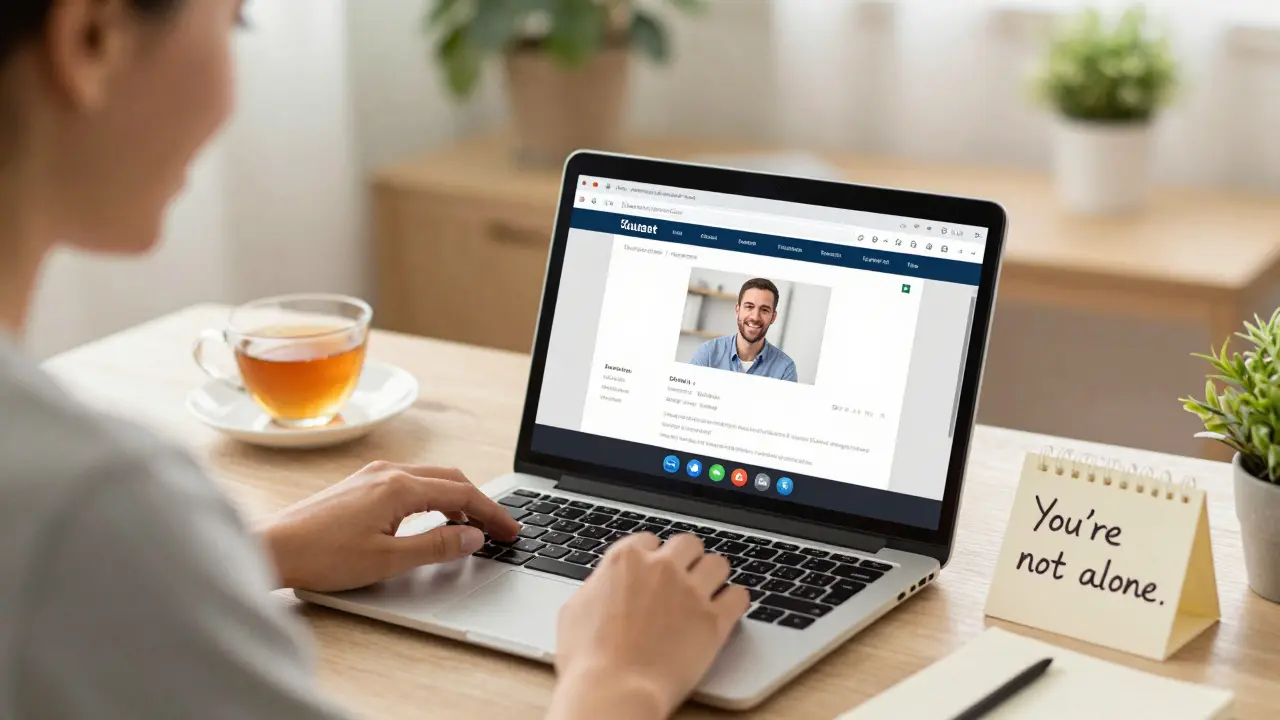
Email nurture sequences that keep course participants engaged aren't about sales - they're about connection. Learn how to build simple, human-centered email flows that boost completion rates and turn learners into loyal followers.

Effective communication in online courses keeps students engaged, reduces dropouts, and builds trust. Learn practical strategies instructors can use to connect with learners and create a supportive virtual classroom.

Open, themed, and coaching rotation office hours each serve different student needs. Learn how to blend these formats to boost attendance, reduce anxiety, and improve learning outcomes - without burning out.

Gamification boosts online course completion by turning learning into a rewarding journey. Use progress bars, badges, and meaningful challenges to keep learners motivated and reduce dropouts.
© 2026. All rights reserved.