
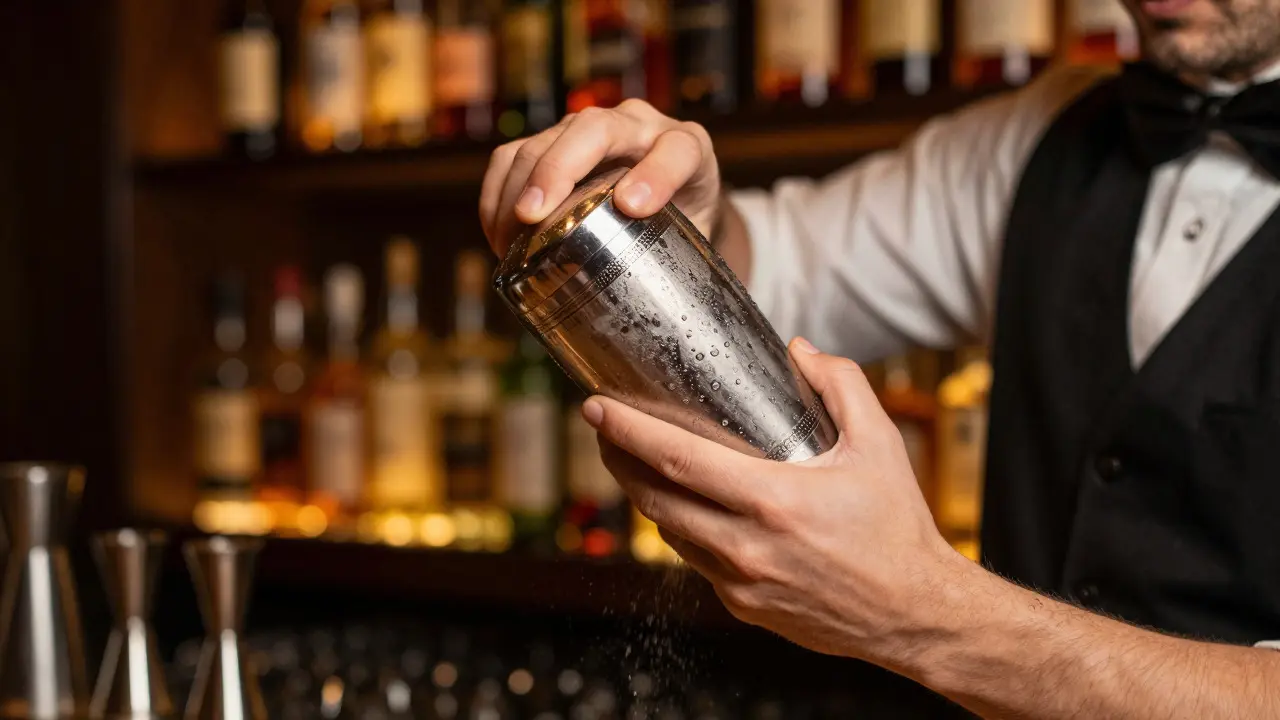
There is a distinct difference between shaking a drink until it looks cold and actually crafting a beverage that balances acidity, sweetness, and spirit character. If you are looking to move beyond home experiments or launch a career in the hospitality industry, a structured bartending and mixology course is a specialized educational program designed to teach the technical skills, theoretical knowledge, and professional standards required for modern bar operations. This isn't just about memorizing recipes; it is about understanding chemistry, mastering equipment, and learning how to manage a high-pressure environment.
In 2026, the demand for skilled bartenders has shifted. Customers expect precision, creativity, and speed. Whether you want to open your own speakeasy or simply improve your party hosting skills, formal training provides the foundation that years of guessing cannot replicate. Here is what you need to know about choosing the right program, what techniques you will master, and how these skills translate into real-world success.
What Actually Happens in a Bartending Course?
Many people assume bartending school is just watching videos of people pour liquids. The reality is far more hands-on and rigorous. A comprehensive curriculum typically covers three main pillars: technique, theory, and business operations.
First, you learn the physical mechanics. You will spend hours practicing the shake method is a mixing technique used to chill and dilute cocktails containing citrus, dairy, or egg whites by vigorously agitating ingredients with ice in a sealed vessel. It sounds simple, but doing it correctly requires wrist strength and proper sealing to avoid leaks. You will also master the stir method is a gentle mixing technique used for spirit-forward cocktails to achieve clarity and proper dilution without aerating the drink. Stirring too hard creates bubbles; stirring too little leaves the drink undiluted and harsh. Precision matters.
Second, you dive into flavor theory. You will learn how to balance the five basic tastes: sweet, sour, salty, bitter, and umami. For example, understanding why a dash of saline solution (salt water) can make a margarita taste brighter without making it salty is a core concept taught in advanced modules. You will study the properties of base spirits like Gin is a distilled alcoholic drink that derives its predominant flavor from juniper berries and other botanicals such as coriander, citrus peel, and angelica root. versus Whiskey is an aged distilled spirit made from fermented grain mash, including barley, corn, rye, or wheat, known for its complex flavors ranging from smoky to sweet.
Finally, you cover the business side. Inventory management, cost control, and customer service protocols are essential. You learn how to calculate the cost per drink to ensure profitability, a skill often overlooked by hobbyists but critical for professionals.
Key Techniques You Will Master
A good course doesn't just tell you what to do; it forces you to repeat actions until muscle memory takes over. Here are the specific technical skills you should expect to develop:
- Ice Handling: Learning the difference between cube, block, and crushed ice, and how surface area affects dilution rates. Using clear ice for stirred drinks to maintain visual appeal is a standard professional practice.
- Garnishing: Moving beyond dropping a lemon wedge. You will learn how to express oils from citrus peels, twist rosemary sprigs to release aroma, and create precise fruit cuts that enhance the drink's sensory experience.
- Speed and Efficiency: Practicing "back-bar" organization so you can grab bitters, syrups, and tools without breaking eye contact with the customer. Workflow efficiency is what separates an amateur from a pro during rush hour.
- Palate Cleansing: Techniques for resetting your taste buds between tasting different cocktails, ensuring consistent quality control throughout a shift.
Essential Recipes and Flavor Profiles
You won't just learn random drinks; you will learn families of cocktails. Understanding one recipe allows you to create dozens of variations. Here are the foundational templates you will encounter:
| Cocktail Family | Base Structure | Example Recipe | Key Skill Learned |
|---|---|---|---|
| Sour | Spirit + Acid + Sweetener | Whiskey Sour | Balancing acidity and sweetness |
| Daisy | Spirit + Acid + Sweetener + Egg White/Foam | Mary Pickering | Creating texture and foam stability |
| Fizz | Spirit + Acid + Sweetener + Carbonated Water | Gimlet Fizz | Managing carbonation and dilution |
| Highball | Spirit + Mixer + Ice | Old Fashioned (modern style) | Precise stirring and ice selection |
| Cream-based | Spirit + Dairy/Cream + Sweetener | White Russian | Emulsification and temperature control |
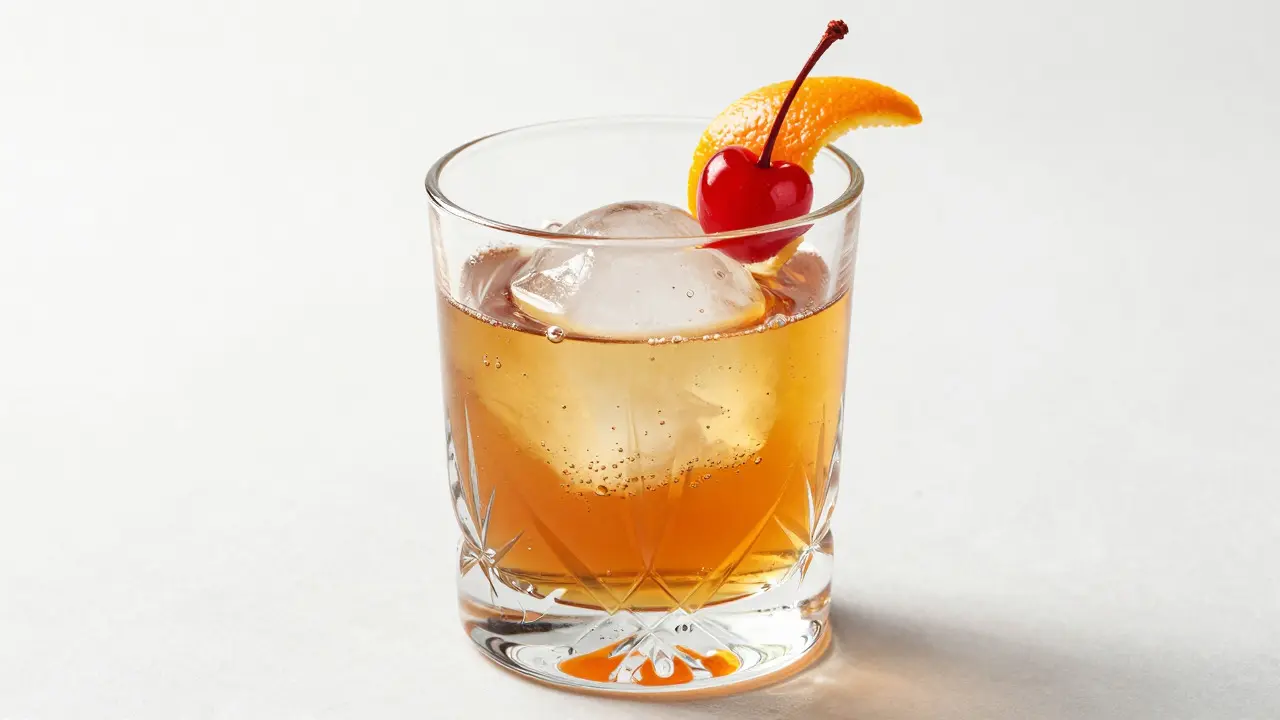
For instance, mastering the Old Fashioned is a classic cocktail consisting of whiskey, sugar, water, and bitters, traditionally prepared by muddling sugar with bitters and adding whiskey and ice. teaches you about bitters concentration and slow dilution. Once you understand this, you can swap whiskey for brandy or gin to create entirely new drinks within the same family.
Choosing the Right Program: Certification vs. Experience
Not all courses are created equal. Some offer recognized certifications, while others are weekend workshops. Your choice depends on your goals.
If you aim to work in high-end hotels or cruise lines, look for programs accredited by bodies like the Society of American Sommeliers is a professional organization dedicated to advancing the wine and spirits trade through education and certification programs for hospitality professionals. or local hospitality boards. These certificates signal to employers that you have met standardized safety and service benchmarks.
However, if you are interested in opening your own bar, prioritize courses that include mentorship from working bartenders. Real-world insights on supplier relationships, staff management, and menu design are often more valuable than a piece of paper. Look for instructors who currently hold positions in respected establishments.
Consider the format too. Online courses can teach theory and history effectively, but they cannot teach you how to handle a broken shaker or a difficult customer. Hybrid models, where you watch lectures online and attend weekend practical sessions, offer the best balance of convenience and hands-on skill development.
Career Opportunities After Training
Completing a bartending course opens several doors in the hospitality sector. The skills are transferable across various roles:
- Head Bartender: Managing inventory, training junior staff, and creating seasonal menus.
- Brand Ambassador: Working for liquor companies to promote their products at bars and events. This role often pays better than traditional bartending and involves travel.
- Bar Consultant: Helping new bars design their layout, select glassware, and develop initial menus.
- Private Event Specialist: Catering weddings and corporate events, where attention to detail and customization are premium services.
In Edinburgh and similar cities with vibrant tourism sectors, there is a constant demand for English-speaking bartenders who can handle international clientele. Fluency in multiple languages combined with certified mixology skills significantly boosts employability.
Common Pitfalls to Avoid
Even with training, beginners make mistakes. Be aware of these common issues:
- Over-dilution: Shaking too long or using small ice cubes can water down a drink, masking the spirit's flavor. Always time your shakes (typically 10-15 seconds for cold drinks).
- Ignoring Glassware: Serving a martini in a rocks glass changes the drinking experience. Temperature retention and aroma concentration depend on the correct vessel.
- Skipping Taste Tests: Never serve a drink you haven't tasted first. Variations in fruit ripeness or spirit batches can alter the final product significantly.
- Neglecting Hygiene: Wiping down surfaces, sanitizing tools, and keeping garnishes fresh are non-negotiable. Health inspectors are strict, and customers notice cleanliness immediately.
Next Steps for Aspiring Mixologists
If you are ready to start, begin by researching local culinary schools or independent bartending academies in your area. Check their curriculum for the specific techniques mentioned above. Ask to see examples of past student menus or visit a class if possible. Talk to graduates about their job placement experiences.
Invest in basic home equipment-a quality Boston shaker, jigger, and bar spoon-to practice while you study. Start experimenting with simple recipes and keep a journal of your adjustments. Note which fruits were sweeter, which spirits held up better, and how different ice types affected the outcome. This reflective practice accelerates learning faster than any textbook.
How long does it take to complete a bartending course?
Duration varies widely. Weekend intensive workshops may last 2-3 days, covering basics and popular recipes. Comprehensive certificate programs can take 4-12 weeks, including theory, practical labs, and sometimes internships. Online self-paced courses can be completed in a few weeks but lack hands-on feedback.
Do I need prior experience to enroll?
Most introductory courses require no prior experience. They are designed for beginners. However, advanced mixology classes or those focusing on business management may recommend some background in hospitality or food service to fully grasp the operational concepts.
Is a bartending certification legally required?
In many regions, including parts of the UK and US, a general bartending certificate is not legally mandatory to work behind a bar. However, serving alcohol often requires a separate responsible service license (like BARMAN in Scotland). Certification enhances your resume and demonstrates professionalism, even if not strictly required by law.
What equipment should I buy before starting?
Start with essentials: a Boston shaker set (tin and glass or two tins), a Hawthorne strainer, a J-bar spoon, a jigger for measuring, and a muddler. You don't need expensive crystal glassware initially; focus on durable, functional tools that help you build muscle memory.
Can I learn mixology entirely online?
You can learn theory, history, and recipes online, but true mixology relies heavily on tactile skills. Judging temperature by touch, feeling the viscosity of a shaken drink, and mastering pouring speed are difficult to perfect without physical practice and instructor feedback. Hybrid or in-person courses are highly recommended for serious learners.
