
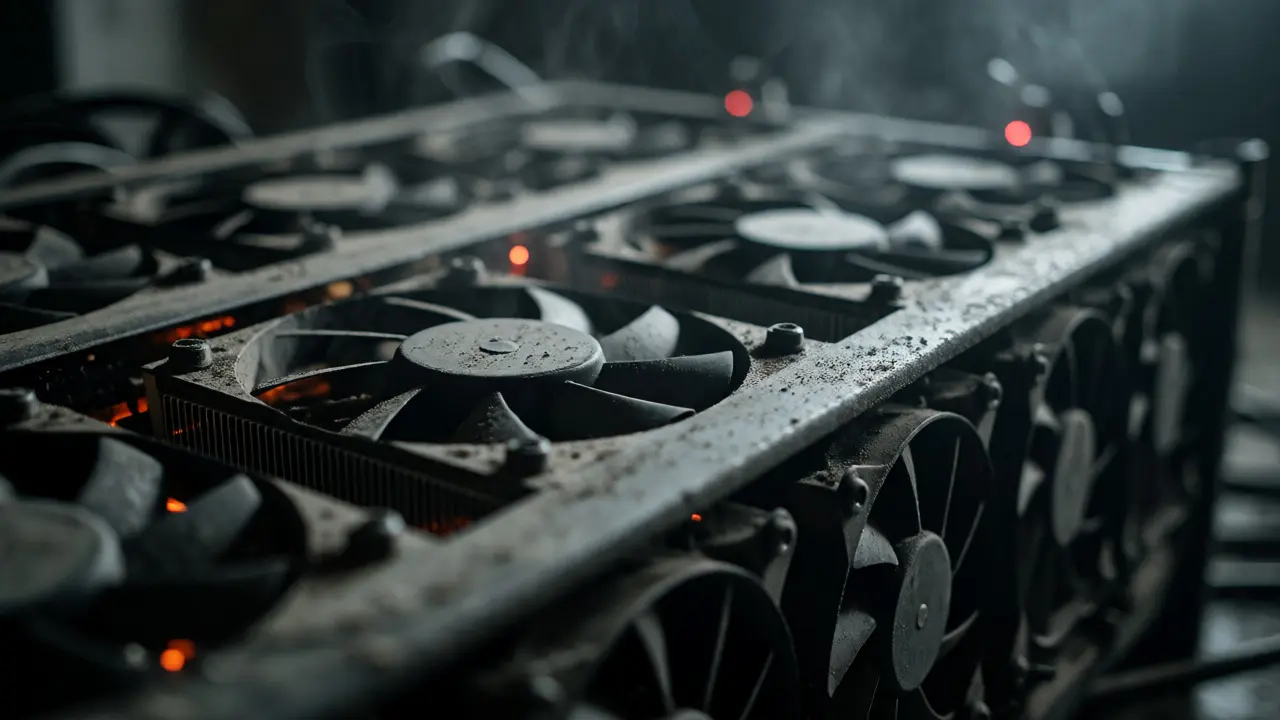
You just bought a shiny new ASIC miner. It hums along, churning out hashes, and for a few months, everything is perfect. Then the difficulty spikes, your electricity bill climbs, and suddenly that machine feels less like a money printer and more like a space heater with an expensive hobby. What do you do? Do you toss it? Sell it? Try to fix it?
This isn't just a hypothetical scenario. It's the daily reality for anyone involved in cryptocurrency mining. The average useful life of Bitcoin mining hardware is shockingly short-about 1.29 years under competitive economic conditions, according to research by Alex de Vries and Christian Stoll. That means most miners are obsolete long before they physically break down. But here's the thing: "obsolete" doesn't mean "broken." And throwing away billions of dollars' worth of electronics every year creates a massive environmental problem.
If you're running a mining operation, whether it's a single rig in your garage or a warehouse full of racks, understanding the hardware lifecycle is crucial. It’s not just about saving the planet (though that helps). It’s about maximizing your return on investment, minimizing downtime, and navigating the complex web of repair markets, resale values, and recycling regulations.
The Reality Check: Why Hardware Dies Young
Let’s be honest: mining hardware is built for speed, not longevity. An Application-Specific Integrated Circuit (ASIC) is designed to do one thing extremely well: hash a specific algorithm. Once a newer, more efficient chip comes out, your current ASIC becomes economically dead, even if it still works perfectly.
Graphics Processing Units (GPUs) have it slightly easier because they’re general-purpose computers. You can game on them, render videos, or run AI models. But even GPUs suffer from wear and tear. Constant high loads, heat cycles, and dust accumulation degrade components over time.
The biggest threat to both ASICs and GPUs isn’t just age-it’s economics. When the price of Bitcoin drops or network difficulty rises, older machines stop making profit. At that point, every hour they run costs you money. This pressure forces operators into quick decisions: repair, resell, or recycle.
Repair: The First Line of Defense
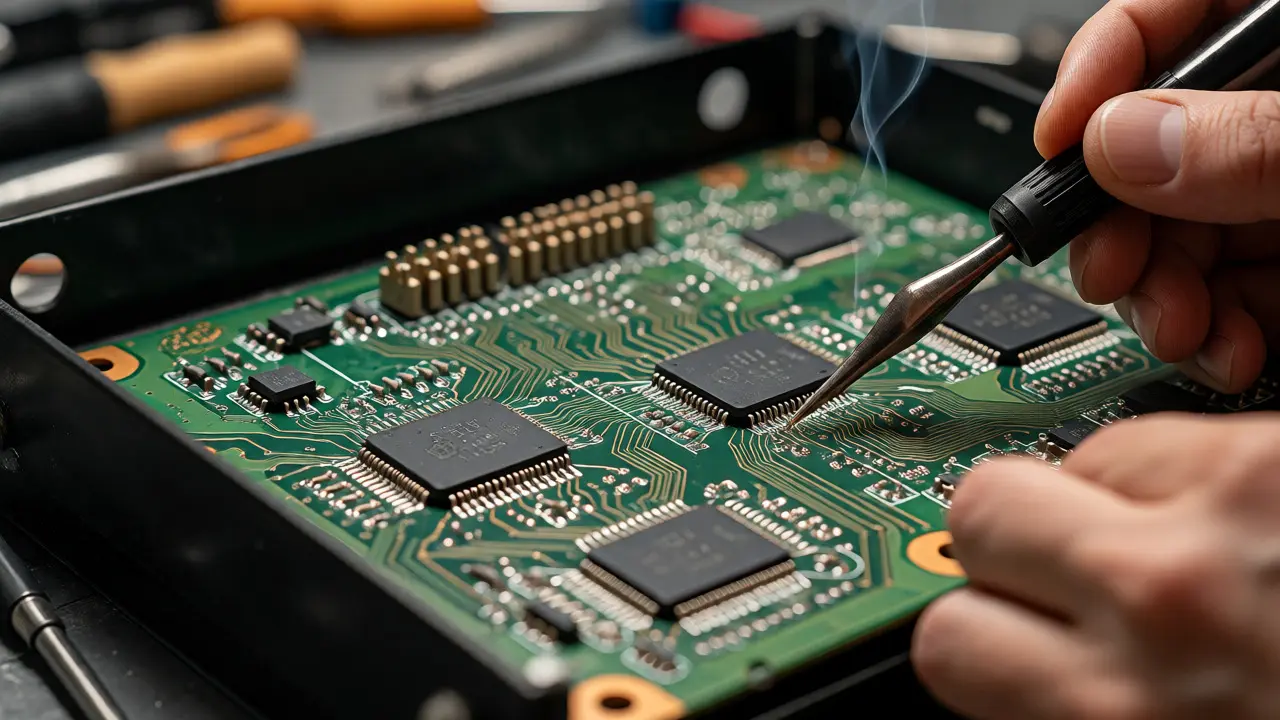
Before you consider selling or scrapping, ask yourself: can this be fixed? Often, yes. Many failures are localized. A blown fuse in the power supply unit (PSU), a failed fan, or a single bad hashboard might be all that’s wrong.
Component-level repair is a thriving industry. Specialists like ASIC Master and Advanced Crypto Services offer services ranging from basic diagnostics to full board replacements. They often provide warranties on their work, typically 30 days, which gives you some protection against immediate re-failure.
But repair isn’t always smart. You need to weigh the cost of parts and labor against the expected remaining lifespan and revenue potential. If a repair costs $500 but the machine only makes $50 a month in profit, it’ll take ten months to break even. In a volatile market, that’s risky.
- Check the warranty: New miners usually come with a 365-day manufacturer warranty. Used units rarely do, so factor in risk.
- Diagnose properly: Don’t guess. Use diagnostic tools to identify exactly what’s broken.
- Consider shipping costs: If you’re far from a repair hub, shipping heavy equipment eats into margins.
Reuse and Resale: Keeping Value Alive
If your hardware is working but no longer profitable for your setup, don’t scrap it. Sell it. The secondary market for mining hardware is huge, especially for GPUs.
When Ethereum switched to Proof-of-Stake in 2022, millions of GPUs hit the market. Most were sold to gamers, artists, and data scientists. Only about 16% stayed in mining. This shows that reuse extends the life of hardware significantly. For ASICs, though, options are narrower. You can sell them to smaller operations with cheaper electricity, use them as heaters in cold climates, or harvest them for parts.
| Option | Best For | Environmental Impact | Financial Return |
|---|---|---|---|
| Repair & Continue | High-efficiency units with minor faults | Lowest (extends life) | High (if profitable) |
| Resale (Working) | Functional but unprofitable units | Medium (delays waste) | Medium-High |
| Parts Harvesting | Mixed condition fleets | Medium (salvages value) | Low-Medium |
| Recycling | Irreparable or obsolete units | High (recovers materials) | Low (scrap value) |
When selling, transparency is key. Provide test results, photos, and operating history. Buyers are wary of "refurbished" claims without proof. Independent verification builds trust and commands higher prices.
Recycling: The Last Resort (But Essential)
Sometimes, nothing else works. The board is corroded, the chips are fried, or the model is so old nobody wants it. That’s when recycling comes in. But not all recycling is created equal.
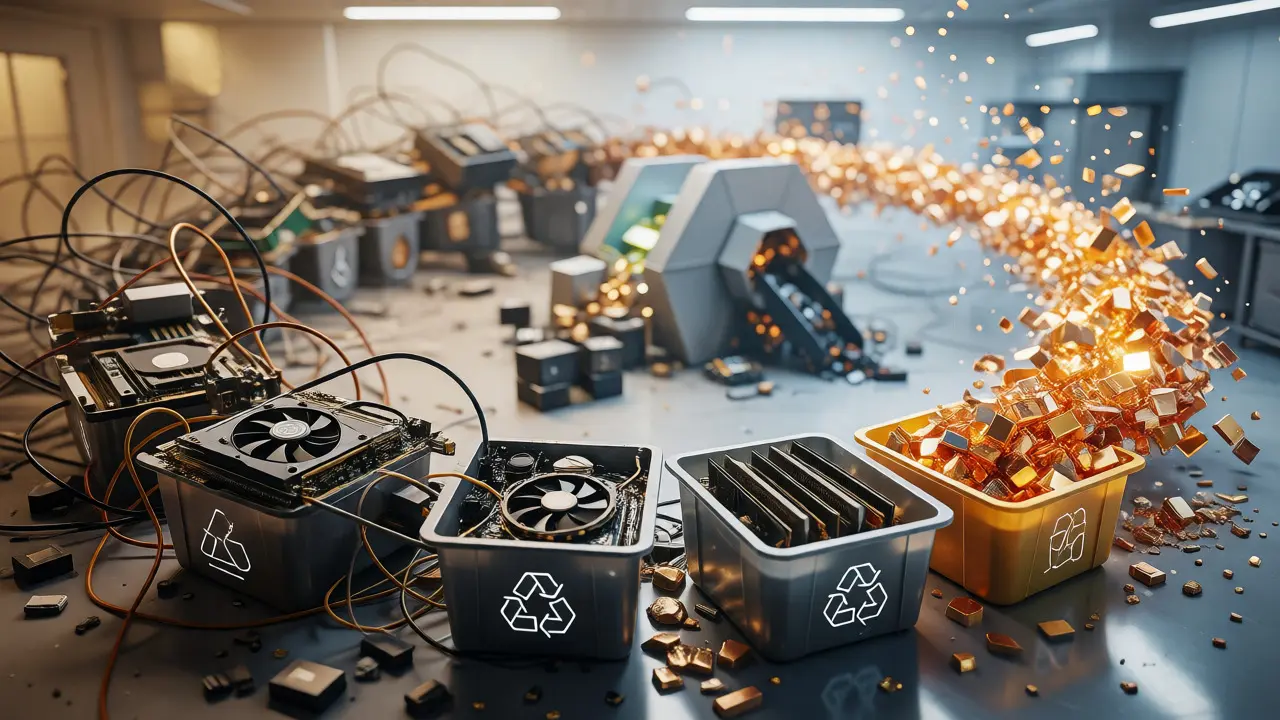
Global e-waste reached 62 billion kilograms in 2022, with only 22.3% formally recycled. Much of it ends up in landfills or gets shipped to countries with lax regulations, where toxic substances leach into soil and water. Proper recycling recovers valuable metals like gold, copper, and palladium from circuit boards.
In the US, look for recyclers certified under R2 or e-Stewards standards. These certifications ensure responsible handling of hazardous materials and proper documentation. In the EU, the WEEE Directive mandates producer responsibility, meaning manufacturers must support end-of-life collection and treatment.
Don’t just dump your old miners at the local scrapyard. Find a specialist who understands electronics. They can separate plastics, metals, and PCBs efficiently, ensuring maximum material recovery.
Building a Sustainable Mining Operation
Sustainability in mining isn’t just a buzzword; it’s a business strategy. Here’s how to integrate lifecycle thinking into your operations:
- Track everything: Keep logs of serial numbers, purchase dates, repair history, and performance metrics. This data helps predict failures and assess resale value.
- Prioritize efficiency: Run only machines that make profit. Shut down marginal units during low-price periods to save energy and reduce wear.
- Plan for exit: Before buying new hardware, know how you’ll dispose of the old stuff. Have contacts ready for repair shops, resellers, and recyclers.
- Consider location: Moving miners to areas with cheap, renewable energy can extend their profitable life, reducing the need for early replacement.
The future of mining hardware lies in circularity. Manufacturers are starting to design for repairability, and third-party ecosystems are growing around spare parts and refurbishment. As a miner, you’re part of this shift. Every decision you make-from fixing a fan to choosing a certified recycler-impacts the environment and your bottom line.
Remember, the goal isn’t just to mine coins. It’s to mine them responsibly, keeping hardware in use as long as possible and ensuring that when it finally dies, its materials find a second life.
How long does mining hardware really last?
Economically, ASICs often become unprofitable within 1-2 years due to rising difficulty and competition. Physically, with good maintenance, they can last 3-5 years or more. GPUs may last longer if repurposed for non-mining tasks like gaming or AI.
Is it worth repairing an old ASIC miner?
It depends on the repair cost versus expected profit. If the repair is cheap and electricity rates are low, yes. If the machine is already inefficient, replacing it with a newer model might yield better long-term returns despite the upfront cost.
What happens to old GPUs after Ethereum’s merge?
Most were sold into the consumer market for gaming, rendering, and AI workloads. A small percentage remained in mining for other algorithms. This demonstrates the versatility of GPUs compared to specialized ASICs.
How do I choose a reputable recycler?
Look for certifications like R2 or e-Stewards. Ask for certificates of recycling and destruction. Ensure they handle hazardous materials properly and don’t export e-waste illegally to developing nations.
Can I use old miners as heaters?
Yes, many people repurpose obsolete miners as space heaters, especially in cold climates. This utilizes the energy consumed for heating rather than wasting it, though it’s not a primary income source.

Comments (1)
adam pohan November 25 2026
It is frankly insulting that we are even having this conversation about "sustainability" when the entire industry is built on a foundation of planned obsolescence and corporate greed that cares absolutely nothing for the environmental cost they impose on us common folk. You talk about recycling as if it is some noble endeavor, but let's be real here, most of that so-called recycled e-waste just gets shipped off to developing nations where children pick through toxic piles while the executives in their glass towers count their profits from the electricity bill hikes we all pay. The idea that you can simply "repair" an ASIC miner is laughable because these machines are designed by engineers who want them to die young so they can sell you the next shiny box, creating a cycle of waste that benefits no one except the manufacturers who treat our wallets like their personal piggy banks. We need to stop pretending that buying a new rig every eighteen months is normal behavior and start demanding that companies build hardware that lasts more than two years, otherwise we are just feeding a machine that chews up resources and spits out landfill without any regard for the planet or the people living near those landfills. It is a moral failing of the highest order to continue participating in this system without questioning why our technology is disposable rather than durable, and until we change that fundamental mindset, all this talk about circular economies is just greenwashing propaganda meant to keep us buying things we do not actually need.