

Most students spend years memorizing verb conjugations only to freeze when a native speaker asks, "How's it going?" They know the grammar rules cold, but their mouths refuse to cooperate. This gap between knowing and doing is where most traditional language courses fail. If you are designing or improving a language course, focusing on conversational skills isn't just a nice-to-have; it is the core metric of success. Students don't pay for perfect syntax; they pay for the ability to order coffee, negotiate a deal, or make a friend without panic.
The Shift from Accuracy to Fluency
Traditional methods often treat language like a math equation: if you get the variables right, the answer follows. But conversation is messy. It involves interruptions, slang, body language, and context. A robust teaching methodology must prioritize communication over perfection. When we correct every minor error during a chat, we kill the flow. Think about your own first language. Do you pause mid-sentence to check if your subject-verb agreement is correct? No. You focus on getting the message across. Your students need that same permission to be imperfect while being understood.
This doesn't mean ignoring errors. It means timing them correctly. Immediate correction works for drills, but delayed feedback works for conversations. By shifting the focus to communicative competence, you help learners build confidence. Confidence is the fuel for fluency. Without it, even advanced students remain silent.
Core Pillars of Effective Conversational Training
To teach speaking effectively, you need a structured yet flexible framework. Here are the three pillars that actually move the needle in a classroom setting:
- Input Flooding: Before students can speak, they must hear natural patterns. Use authentic materials-podcasts, movie clips, real news reports-not just textbook audio. The goal is to expose them to the rhythm and speed of real speech.
- Scaffolded Output: Don't throw beginners into deep water. Start with controlled practice (repeating phrases), move to guided practice (filling in blanks in a dialogue), and end with free production (improvising).
- Feedback Loops: Create safe spaces for mistakes. Peer review sessions allow students to listen to each other, which builds active listening skills alongside speaking.
Notice how these steps mirror how children learn. They listen, they mimic, and then they experiment. Adults often skip the mimicking stage because they feel self-conscious. Your job as an educator is to lower that affective filter.
Techniques That Work in Real Classrooms
Let's get practical. What do you actually do on Tuesday at 7 PM? Abstract theory doesn't help tired professionals who want to talk. Here are specific techniques proven to boost speaking fluency:
Task-Based Learning (TBL)
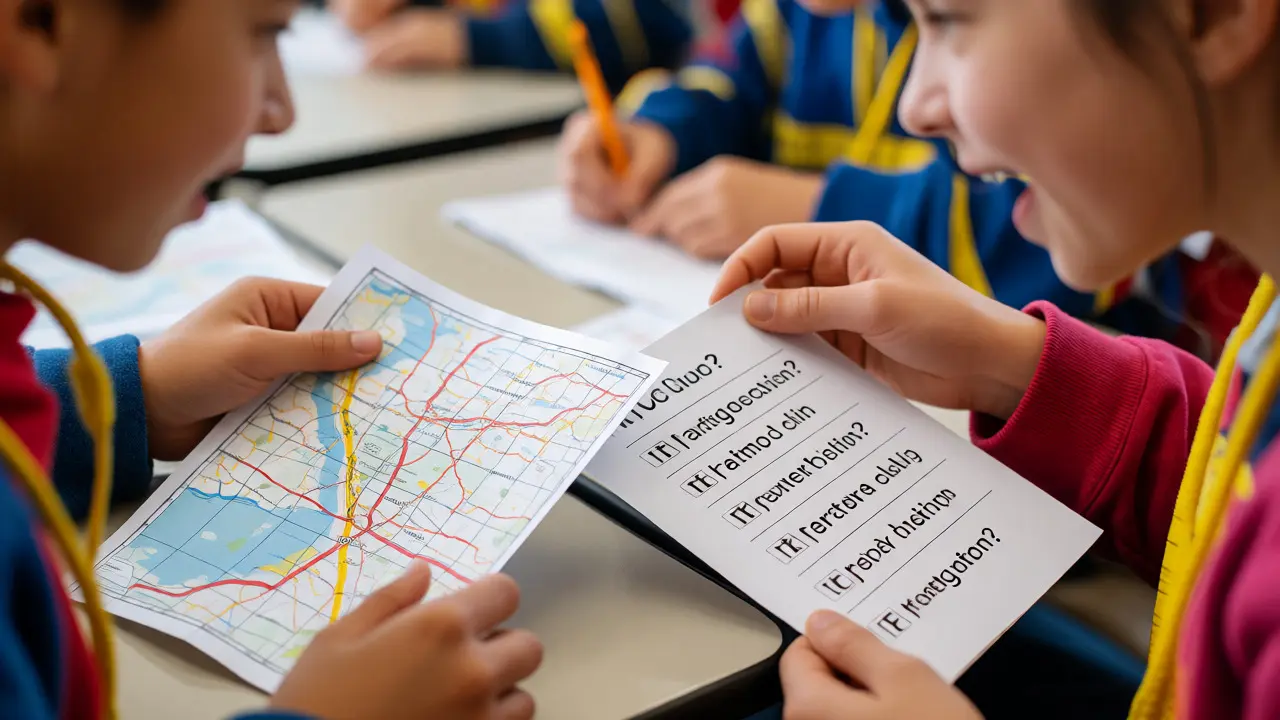
In TBL, the lesson revolves around completing a task, not practicing a specific grammar point. For example, ask pairs to plan a weekend trip using a map and a budget. They have to negotiate, suggest, and agree. Grammar emerges naturally because they need it to complete the task. You observe and note errors, then address them after the task is done. This makes language a tool, not a subject.
Information Gap Activities
These activities force communication. Student A has half the information; Student B has the other half. They cannot see each other's papers. To solve the puzzle, they must ask questions. There is no way to cheat by looking. This creates a genuine need to speak. If one student stays silent, the task fails. This pressure is healthy and productive.
Shadowing Exercises
Shadowing involves listening to a native speaker and repeating what they say almost simultaneously. It trains the brain to process sound and produce speech at the same time. It improves pronunciation and intonation dramatically. Start with short clips and gradually increase length. It feels awkward at first, but the results in prosody (the music of speech) are undeniable.
Designing a Curriculum for Conversation
A common mistake is organizing lessons by grammatical topics (Present Perfect, Past Simple). For conversational skills, organize by functions and contexts. What will students actually do with the language?
| Feature | Traditional Grammar-Based Course | Conversational Skills Course |
|---|---|---|
| Primary Goal | Correct sentence structure | Successful interaction |
| Lesson Unit | Grammar rule (e.g., Conditionals) | Function (e.g., Making polite requests) |
| Teacher Role | Lecturer and corrector | Facilitator and observer |
| Student Activity | Fill-in-the-blank exercises | Role-plays and debates |
| Assessment | Written tests | Live performance rubrics |
When you design units around functions like "expressing disagreement," "giving directions," or "small talk," students see immediate relevance. They leave the class able to use what they learned. This boosts retention and motivation.
Overcoming Common Classroom Challenges
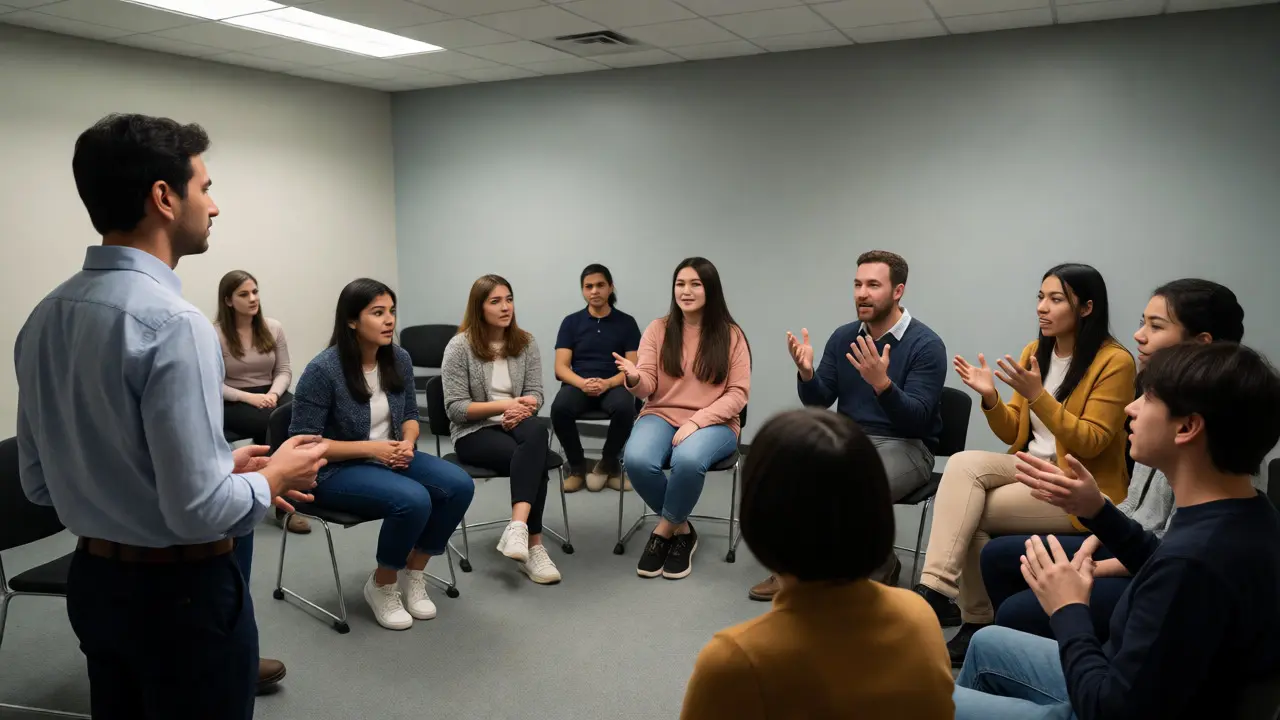
You will face resistance. Some students prefer silence because it feels safer than making mistakes. Others dominate the conversation, leaving little room for quieter peers. How do you manage this?
For the silent ones, start with pair work before whole-class discussion. It is less intimidating to speak to one person than to twenty. Assign roles in group tasks so everyone has a specific reason to speak. For the dominators, implement strict turn-taking rules. Use a timer. Make them wait for others to finish. This teaches patience and active listening, which are crucial parts of conversation.
Another challenge is mixed proficiency levels. In a conversation class, this can be tricky. Pair strong speakers with weaker ones carefully. Sometimes, pairing similar levels is better so neither feels frustrated. Rotate partners regularly to expose students to different accents and speaking styles.
Assessing Progress Without Killing the Vibe
Grading speaking is subjective and stressful. Avoid high-stakes oral exams where a single stumble ruins the grade. Instead, use continuous assessment. Keep a simple checklist for each student. Note improvements in fluency, vocabulary range, and pronunciation over time. Celebrate small wins. Did they use a new idiom correctly? Did they keep the conversation going despite a misunderstanding? These are victories.
Record short snippets of their speech at the beginning and end of the term. Let them listen to themselves. Hearing their own progress is powerful motivation. It provides concrete evidence that the methodology is working.
Integrating Technology for Speaking Practice
You don't need expensive software, but tools can help. Apps that record voice messages allow students to practice outside class. They can listen back and self-correct. Video calls with native speakers provide real-world pressure in a low-risk environment. Encourage students to join online communities related to their interests. Talking about football, coding, or cooking is easier than talking about abstract topics because the vocabulary is already familiar.
Remember, technology should support human interaction, not replace it. The goal is more talking, not more screen time.
Is it okay to correct every mistake during conversation practice?
No, constant correction interrupts the flow and lowers confidence. During free conversation, let minor errors slide unless they impede understanding. Save detailed corrections for dedicated feedback sessions or written exercises. Focus on global errors that cause confusion rather than local slips.
How do I handle shy students who refuse to speak?
Start with non-threatening activities like choral repetition or paired work. Give them preparation time before speaking. Assign specific roles in group tasks so they have a clear script or function. Gradually increase exposure. Praise effort, not just accuracy, to build their willingness to take risks.
What is the best ratio of teacher talk to student talk?
In a conversational skills class, aim for 30% teacher talk and 70% student talk. The teacher should facilitate, model, and monitor, but not lecture. If you are talking more than your students, you are likely teaching grammar instead of conversation.
Do I need native-level proficiency to teach conversation?
Not necessarily. While native speakers offer cultural nuance, non-native teachers can excel at explaining strategies and modeling the learner's journey. Key qualities include clarity, good listening skills, and the ability to create a supportive environment. Many students find non-native teachers more relatable and less intimidating.
How long does it take to see improvement in fluency?
Fluency develops gradually. With consistent practice (2-3 times a week), students may notice increased comfort within 4-6 weeks. Significant leaps in spontaneous speech often take several months. Consistency matters more than intensity. Short, frequent sessions are more effective than occasional marathon classes.
