

You built a Decentralized Autonomous Organization (DAO) that actually works. The governance is live, the treasury holds millions in crypto, and your community is voting on proposals every week. But then you try to open a bank account, sign a contract with a vendor, or hire a developer, and you hit a wall. Banks don't know who to sue if things go wrong. Regulators don't know who to tax. And most importantly, you personally might be liable for everything the DAO does.
This is where legal wrappers come in. A legal wrapper is a traditional legal entity-like an LLC or a foundation-that sits alongside your on-chain DAO. It doesn't replace the smart contracts; it just gives your organization a face that the real world understands. Without one, you're essentially running a general partnership where every token holder could theoretically be on the hook for debts or lawsuits. With one, you create a shield.
Why Your DAO Needs More Than Just Code
Let's be honest: "decentralized" is a great marketing term, but it means very little to a judge. If your DAO buys a server rack and the vendor sues for non-payment, who pays? In many jurisdictions, if you haven't formed a legal entity, the law sees your group as a default partnership. That means every active member could be personally liable. Not just their tokens-their house, their car, their savings.
Beyond liability, there's the practical stuff. You can't easily pay taxes without a taxpayer identification number. You can't own intellectual property rights clearly. Institutional investors, like venture capital firms, rarely put money into a bare token collective because they can't enforce contracts against a blockchain. They need a counterparty with a legal address. Legal wrappers solve these three big headaches: lack of legal existence, tax confusion, and unlimited personal liability.
The Wyoming DAO LLC: The US Gold Standard
If you're based in the United States or want a US-friendly structure, Wyoming is currently the leader. Why? Because in 2017, they passed the first law specifically recognizing DAOs as legal entities. Before that, you had to shoehorn your DAO into a standard LLC framework, which was messy. Now, you can form a DAO LLC.
Here’s how it works: You file articles of organization with the state, and you can reference your smart contract directly in the filing. This is huge. It means the code itself has legal standing. Wyoming allows these DAOs to be either for-profit or nonprofit. Plus, it offers limited liability protection to members. If the DAO gets sued, your personal assets are generally safe, provided you follow the rules.
But there are catches. You must include "DAO" or "LAO" in your name. You have to keep the entity active-if no proposals pass for a year, the state dissolves it. And crucially, it must be truly community-run. Wyoming DAO LLCs cannot be "manager-managed" by a small cabal of insiders; they must be managed by the members or by algorithms. This aligns perfectly with the ethos of decentralization, but it requires disciplined governance.
Cayman Islands Foundation Companies: For Global Protocols
Not everyone wants US regulation. Many major protocols prefer offshore structures for tax efficiency and flexibility. Enter the Cayman Islands Foundation Company. Introduced in 2017, this hybrid entity combines the best parts of a corporation and a trust. It has no shareholders. Instead, it exists for a specific purpose defined in its charter.
Why do projects like Uniswap or Aave often lean toward structures like this? Because it solves the "ownerless" problem. In a traditional company, directors owe duties to shareholders. In a Foundation Company, the board owes duties to the *purpose* of the foundation. This prevents any single founder from pulling strings behind the scenes. It’s perfect for protocol stewardship, where the goal is ecosystem health, not maximizing shareholder dividends.
The tax benefits are also significant. The Caymans have zero corporate income tax, no capital gains tax, and no payroll tax. For a DAO managing a massive treasury, keeping those funds untaxed until distributed is a powerful advantage. However, setting this up isn't cheap. You’ll need local registered agents and careful structuring to ensure it complies with global anti-money laundering standards.
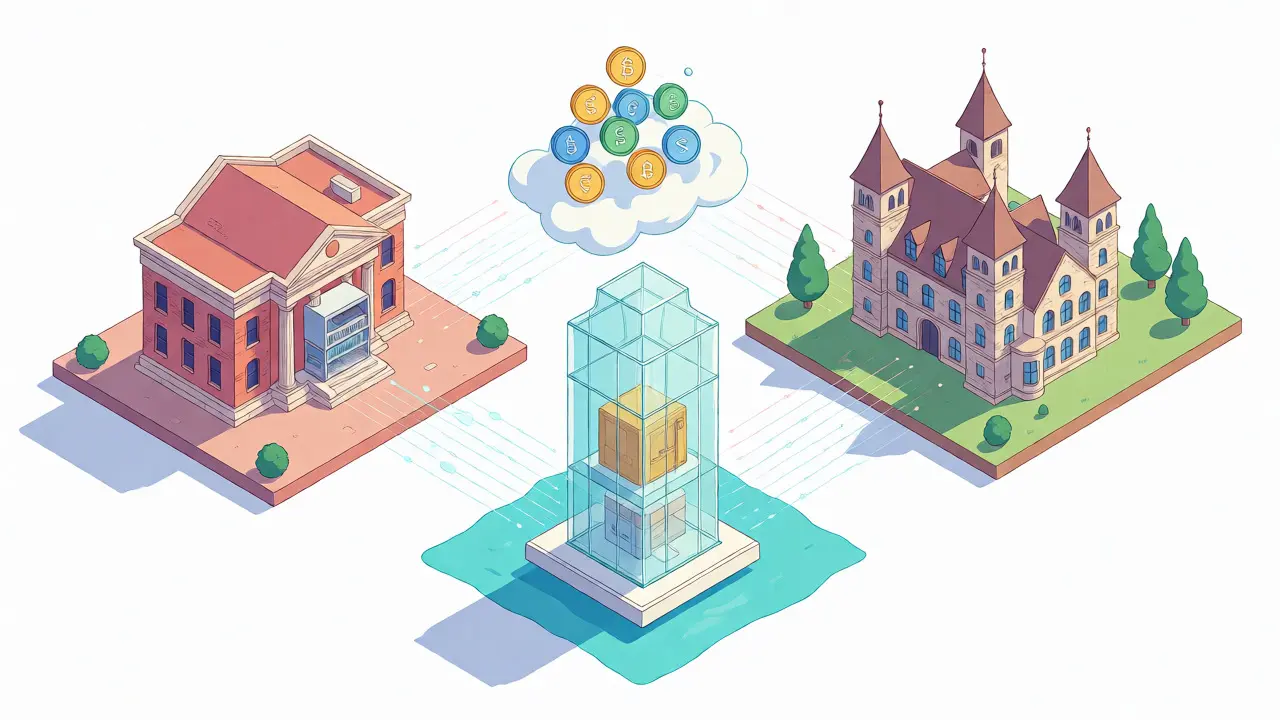
Swiss Associations and Foundations: The European Choice
Switzerland has long been a hub for crypto innovation, largely thanks to its clear legal frameworks. Two main options dominate here: the Swiss Association and the Swiss Foundation.
A Swiss Association is easy to set up. It’s designed for groups with common interests. It’s flexible, low-cost, and widely understood in Europe. However, it comes with risks. Members can sometimes be held jointly liable, and the governance rules can be loose. It’s great for social DAOs or early-stage communities, but maybe not for holding billions in assets.
A Swiss Foundation is more robust. It’s a separate legal person with its own assets. Once you donate assets to the foundation, they’re gone from your personal balance sheet. The foundation is supervised by a government authority, which adds a layer of credibility. This supervision is a double-edged sword-it costs money and time, but it signals to regulators and banks that you’re serious about compliance. Ethereum’s initial fundraising used a Swiss Foundation, setting a precedent that still stands today.
Comparing the Top Legal Wrappers
Choosing the right wrapper depends on your location, your goals, and your budget. Here’s a quick breakdown of the most popular options.
| Feature | Wyoming DAO LLC | Cayman Foundation Co. | Swiss Association | No Entity (Bare DAO) |
|---|---|---|---|---|
| Liability Protection | High (Limited Liability) | High (Separate Legal Person) | Low/Medium (Joint & Several possible) | None (Personal Liability) |
| Tax Implications | Pass-through (US Tax Rules) | Zero Corporate Tax | Low/Exempt (if non-profit) | Complex/Uncertain |
| Setup Cost | Low ($100-$500) | High ($5k-$10k+) | Very Low (<$1k) | $0 |
| Regulatory Clarity | High (Specific Statute) | Medium (Common Law) | Medium (Civil Law) | Low |
| Best For | US-based Investment DAOs | Global Protocol Treasuries | European Community Groups | Hobbyist Projects |
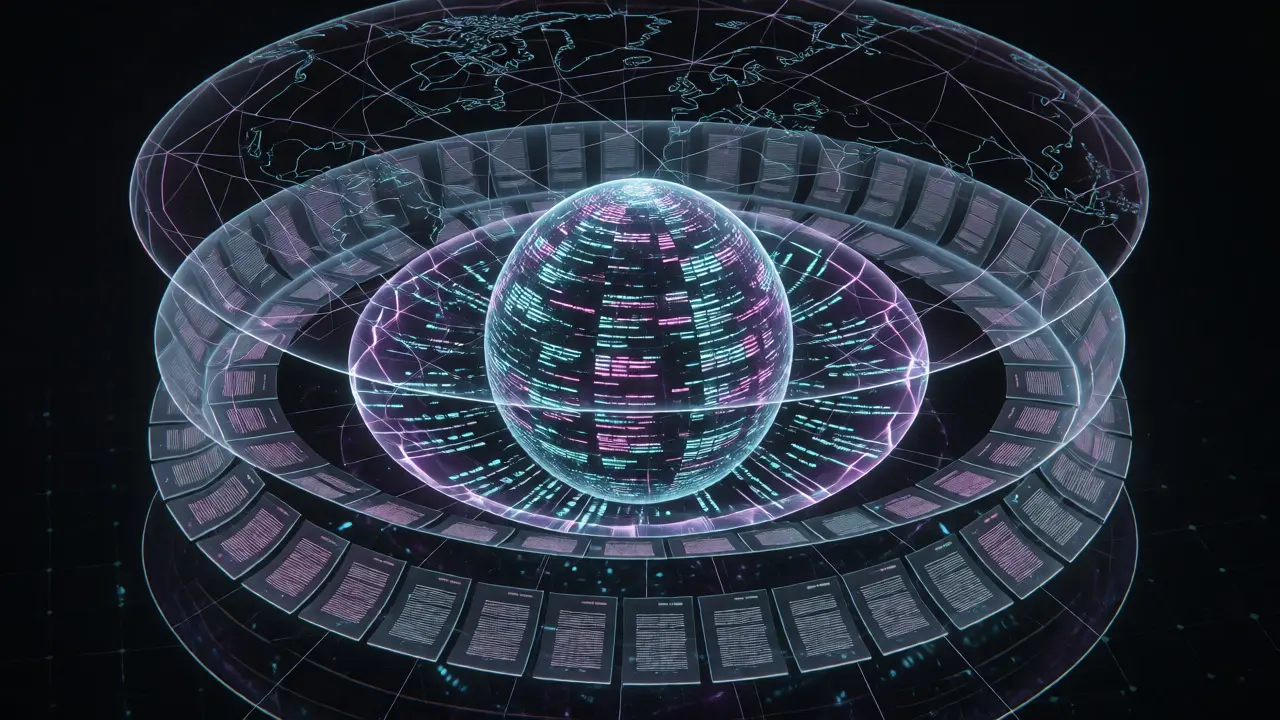
The Multi-Entity Stack: When One Wrapper Isn’t Enough
As DAOs mature, they often outgrow a single legal structure. Think about a large project like Lido or MakerDAO. They have different needs: one part develops software, another issues tokens, and another manages the treasury. Trying to cram all that into one LLC or Foundation can create tax nightmares or governance conflicts.
That’s why sophisticated projects use a multi-entity stack. A typical setup might look like this:
- DevCo (Development Company): A regular C-Corp or Ltd responsible for hiring engineers and building the product. This entity takes salaries and expenses.
- Token Issuer: A special purpose vehicle that handles the creation and distribution of the native token.
- Foundation: A non-profit entity (like a Cayman FC or Swiss Foundation) that owns the intellectual property and manages the treasury grants.
This separation isolates risk. If the DevCo gets sued for employment disputes, the Foundation’s treasury remains untouched. It also optimizes taxes, as each entity can be domiciled in the jurisdiction that offers the best rates for its specific function.
How to Choose Your Wrapper
Don't pick a wrapper because it sounds cool. Pick it because it fits your job-to-be-done. Ask yourself these questions:
- Where are your contributors? If most core devs are in the US, Wyoming is a natural fit. If they’re global, consider Switzerland or the Caymans.
- What is your primary activity? Are you investing? An LLC makes sense. Are you governing a protocol? A Foundation is better. Are you just hanging out? Maybe no entity is fine.
- Who is your audience? If you need VC funding, they will likely insist on a Delaware LLC or a Cayman entity. If you’re dealing with retail users, simplicity matters more.
- What’s your budget? Maintaining a Cayman Foundation costs thousands per year in fees. A Wyoming LLC costs pennies. Can you afford the overhead?
Remember, you can always change later. Many DAOs start with no entity, move to a Wyoming LLC when they raise money, and then add a Cayman Foundation when they launch a mainnet protocol. It’s a journey, not a one-time decision.
Pitfalls to Avoid
Even with a legal wrapper, you can mess up. Here are common mistakes I’ve seen:
- Ignoring the Link Between On-Chain and Off-Chain: If your smart contract says one thing but your LLC operating agreement says another, you’re in trouble. Ensure your legal documents explicitly recognize the authority of on-chain votes.
- Assuming "No Tax" Means "No Reporting": Even in tax-free jurisdictions, you usually have to file annual returns. Miss a deadline, and your entity could be struck off.
- Over-Decentralizing Governance: Some wrappers require a designated officer or director. If your DAO is so decentralized that nobody knows who signed the bank forms, you’ll have operational paralysis.
- Security Token Confusion: Just because you have an LLC doesn't mean your token isn't a security. The SEC looks at economic reality, not just legal labels. Consult a securities lawyer before selling tokens.
Do I legally need a wrapper for my DAO?
Technically, no. You can operate a DAO entirely on-chain. However, without a wrapper, you lack legal personality. This means you cannot sign contracts, own property, or protect members from personal liability. Most serious projects adopt a wrapper to interact safely with the traditional financial system.
Is a Wyoming DAO LLC safer than a standard LLC?
For DAOs, yes. A standard LLC was designed for human managers and static ownership. A Wyoming DAO LLC is tailored for dynamic, token-based membership. It explicitly recognizes smart contracts as valid governance tools and simplifies the process of admitting new members via token holdings.
Can I use a Cayman Foundation if I am a US resident?
Yes, but it complicates your personal taxes. While the Foundation itself pays no corporate tax in the Caymans, US residents are taxed on worldwide income. You may face complex reporting requirements (like PFIC rules) regarding your interest in the foundation. Always consult a US tax advisor before choosing an offshore structure.
What happens if my DAO has no legal entity?
In many jurisdictions, a group acting together without incorporation is treated as a general partnership. This exposes all active participants to joint and several liability. If the DAO incurs debt or faces a lawsuit, creditors can pursue the personal assets of individual members.
How much does it cost to maintain a legal wrapper?
Costs vary widely. A Wyoming LLC might cost $60-$100 annually in state fees. A Cayman Foundation can cost $5,000-$10,000 per year due to registered agent fees, audit requirements, and professional services. Swiss structures fall somewhere in between, depending on the canton and complexity.
