

Getting certified as a personal trainer is more than just passing a test; it is about building a career that helps people transform their lives. If you are looking at the NASM Certification (National Academy of Sports Medicine), you are choosing one of the most respected credentials in the fitness industry. But where do you actually start? The path from curious beginner to certified professional involves understanding the curriculum, preparing for the exam, and navigating the job market.
This guide breaks down exactly what the NASM course entails, how to prepare effectively, and what your return on investment looks like in 2026. We will skip the fluff and focus on the practical steps you need to take to get hired.
What Is the NASM-CPT Credential?
The Certified Personal Trainer (CPT) credential offered by NASM is not just another piece of paper. It is an industry standard recognized by gyms, corporate wellness programs, and private studios across the United States and globally. NASM distinguishes itself through its proprietary framework called the Optimum Performance Training™ (OPT™) model.
Unlike older methods that focused heavily on bodybuilding or pure strength, the OPT model is rooted in corrective exercise and functional movement. This means you learn to assess clients, fix their imbalances, and then build strength and power safely. For employers, this translates to lower injury rates and higher client retention. When you hold a NASM certification, you are signaling that you understand biomechanics, kinesiology, and evidence-based training protocols.
| Feature | Details |
|---|---|
| Accreditation | NCCA Accredited (National Commission for Certifying Agencies) |
| Core Methodology | Optimum Performance Training™ (OPT™) Model |
| Exam Format | 120 multiple-choice questions, 90-minute time limit |
| Passing Score | 70% (84 out of 120 correct answers) |
| Prerequisites | High school diploma or GED, valid CPR/AED certification |
Understanding the Prerequisites and Costs
Before you buy any study materials, you need to meet two non-negotiable requirements. First, you must have a high school diploma or equivalent. Second, you need a current CPR/AED certification. You can get this from organizations like the American Red Cross or the American Heart Association. Many candidates take this step simultaneously with their NASM enrollment to save time.
The cost of the NASM certification varies depending on the package you choose. In 2026, the basic exam-only voucher costs around $599, but this rarely includes study materials. Most new trainers opt for the "Premium" or "Ultimate" packages, which range from $999 to $1,300. These bundles typically include:
- The latest edition of the NASM textbook
- Access to online learning platforms with video lectures
- Practice exams and question banks
- Continuing education units (CEUs) for future recertification
While the upfront cost seems high, consider it an investment. A NASM-certified trainer often commands higher hourly rates than uncertified peers. Additionally, many gyms offer reimbursement for certification costs once you are hired, so check with local employers before paying out of pocket.
The Core Curriculum: What You Will Learn
The NASM curriculum is comprehensive. It does not just teach you how to lift weights; it teaches you how to program workouts for diverse populations. Here are the key pillars of the course:
1. Client Assessment
You will learn how to conduct thorough health screenings, posture assessments, and movement pattern analyses. Tools like the Overhead Squat Assessment help you identify muscle imbalances before they lead to injuries. This diagnostic skill is what separates a good trainer from a great one.
2. Exercise Techniques
The course covers hundreds of exercises, categorized by modality: stretching, core stabilization, balance, strength, and power. You will learn proper form cues, common errors, and regressions (easier versions) and progressions (harder versions) for each movement.
3. Program Design
Using the OPT model, you will design periodized programs. This means structuring training phases over weeks and months to avoid plateaus. You will learn how to program for weight loss, muscle gain, athletic performance, and general health.
4. Nutrition Fundamentals
While NASM CPT does not allow you to prescribe medical diets, it provides a strong foundation in nutrition science. You will learn about macronutrients, micronutrients, hydration, and behavioral change strategies to help clients stick to their eating plans.

How to Prepare for the NASM Exam
Passing the NASM exam requires more than rote memorization. The questions are scenario-based, testing your ability to apply concepts to real-world situations. Here is a strategic approach to studying:
- Read the Textbook Actively: Don't just skim. Highlight key terms, draw diagrams of the OPT model, and summarize each chapter in your own words.
- Use Practice Exams Wisely: Take practice tests under timed conditions. Review every wrong answer to understand why it was incorrect. Identify weak areas, such as flexibility training or special populations, and revisit those chapters.
- Create Flashcards: Use apps like Anki or Quizlet for memorizing definitions, joint actions, and muscle functions. Focus on high-yield topics like the kinetic chain and proprioceptive neuromuscular facilitation (PNF).
- Join Study Groups: Online forums and social media groups dedicated to NASM prep can provide support and clarify confusing concepts. Teaching others is also a powerful way to reinforce your own knowledge.
Aim for a score of 85% or higher on practice exams before scheduling your actual test. This buffer accounts for test-day anxiety and ensures you pass on the first attempt.
Scheduling and Taking the Exam
Once you feel confident, schedule your exam through Pearson VUE, NASM's testing partner. You can choose between computer-based testing at a physical center or proctored online testing. Online testing offers convenience but requires a quiet, distraction-free environment with a reliable internet connection.
On exam day, arrive early (or log in early). Read each question carefully. Eliminate obviously wrong answers first. Remember that NASM emphasizes safety and corrective exercise. If a choice involves aggressive stretching or heavy loading without proper stabilization, it is likely incorrect.
Career Opportunities After Certification
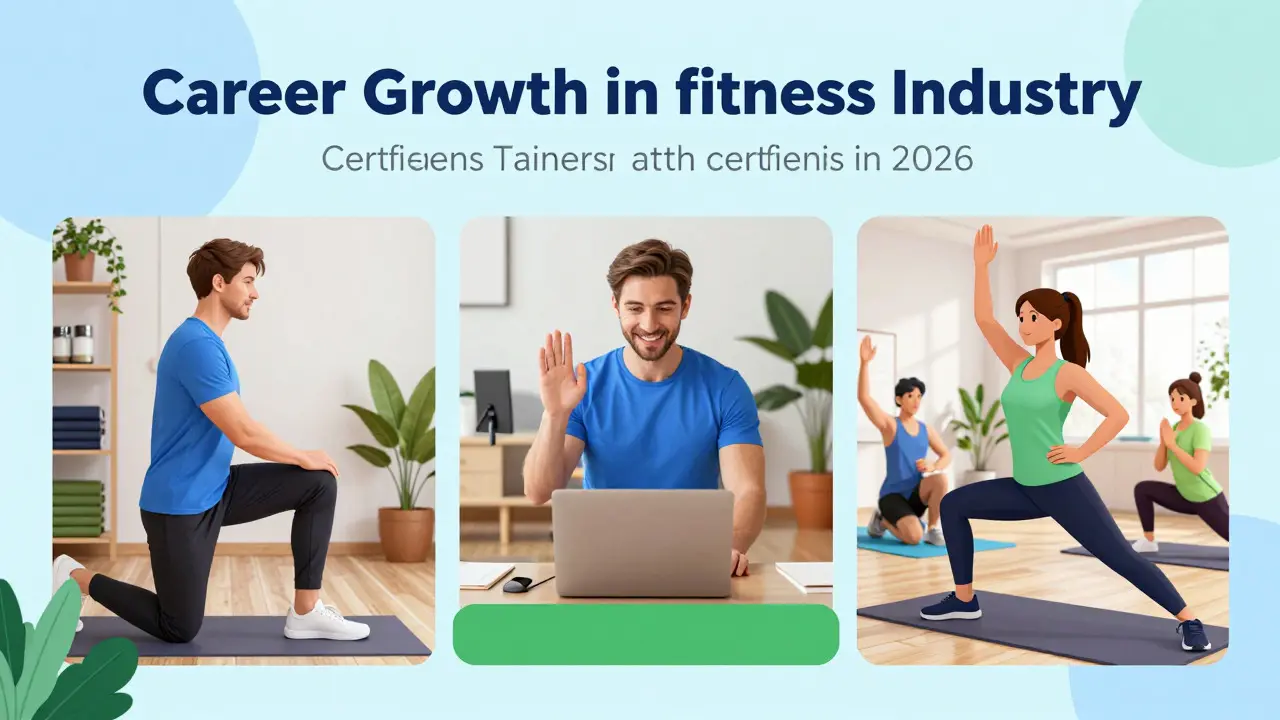
Becoming NASM-certified opens doors to various career paths. The demand for qualified fitness professionals continues to grow, driven by increased awareness of health and wellness. Here are some common roles:
- Gym Personal Trainer: Work at commercial fitness centers like Planet Fitness, LA Fitness, or boutique studios. Benefits include access to equipment and a steady stream of potential clients.
- Private Trainer: Build your own clientele, offering sessions in homes, parks, or via telehealth. This offers higher earning potential but requires strong marketing skills.
- Corporate Wellness Coach: Help employees improve their health through workplace programs. This role often includes benefits like health insurance and paid time off.
- Specialty Specialist: Pursue additional NASM certifications in Corrective Exercise, Performance Enhancement, or Nutrition Coaching to niche down and charge premium rates.
In 2026, hybrid training models (combining in-person and virtual sessions) are the norm. NASM’s digital resources make it easy to adapt to these trends. Many trainers also leverage social media to build personal brands, sharing tips and success stories to attract clients.
Maintaining Your Certification
Your NASM certification is valid for two years. To maintain it, you must complete 2.0 Continuing Education Units (CEUs) and pay a renewal fee. CEUs can be earned through workshops, webinars, conferences, or additional NASM specialty courses. Staying current with industry trends and research is crucial for long-term success.
Recertification is not just a bureaucratic hurdle; it is an opportunity to deepen your expertise. Consider adding credentials like the NASM Corrective Exercise Specialist (CES) or Nutrition Coach (NC) to broaden your service offerings and increase your income.
Common Mistakes to Avoid
New trainees often fall into traps that delay their careers. Avoid these pitfalls:
- Underestimating Study Time: Cramming does not work for NASM. Dedicate at least 80-100 hours to studying over 4-8 weeks.
- Ignoring CPR/AED: Without a valid CPR certificate, you cannot sit for the exam. Schedule this early.
- Focusing Only on Lifting: NASM values assessment and corrective exercise. Spend equal time on these topics as you do on strength training.
- Neglecting Business Skills: Certification gets you hired; business skills keep you employed. Learn about client communication, scheduling, and basic marketing.
Is NASM Right for You?
If you value evidence-based practices, enjoy helping others, and are willing to invest in your education, NASM is an excellent choice. Its global recognition and robust methodology provide a solid foundation for a successful career. While other certifications exist, NASM’s emphasis on safety and corrective exercise makes it particularly valuable for working with general populations and rehabilitating clients.
Start by reviewing the prerequisites, budgeting for the course, and creating a study schedule. With dedication and the right resources, you can become a certified trainer and embark on a rewarding career in health and fitness.
How long does it take to get NASM certified?
Most candidates complete the NASM certification in 4 to 8 weeks. This timeline assumes you dedicate 10-15 hours per week to studying. Faster completion is possible if you have prior knowledge in anatomy or fitness, but rushing may reduce your chances of passing on the first try.
Do I need a degree to become a NASM certified trainer?
No, a college degree is not required. You only need a high school diploma or GED. However, having a background in kinesiology, exercise science, or a related field can give you a significant advantage in understanding the material.
What is the passing score for the NASM CPT exam?
The passing score is 70%. Since there are 120 questions, you need to answer at least 84 correctly. The exam is scaled, meaning difficulty can vary slightly, but the percentage requirement remains constant.
Can I take the NASM exam online?
Yes, NASM offers proctored online testing through Pearson VUE. You will need a computer with a webcam, microphone, and stable internet connection. Ensure your testing area is quiet and free of distractions. Some countries may have restrictions on online testing, so check local availability.
How much do NASM certified trainers earn?
Earnings vary widely based on location, experience, and employment type. According to industry data in 2026, entry-level trainers may earn $25-$40 per hour, while experienced private trainers can charge $75-$150+ per session. Gym-employed trainers often receive a percentage of session fees plus bonuses.
Is NASM better than ACE or ISSA?
All three are reputable NCCA-accredited certifications. NASM is known for its corrective exercise focus and OPT model, making it ideal for trainers who want to work with injury-prone clients. ACE has a strong behavioral psychology component, while ISSA offers more flexible self-paced learning. Choose based on your preferred learning style and career goals.
