
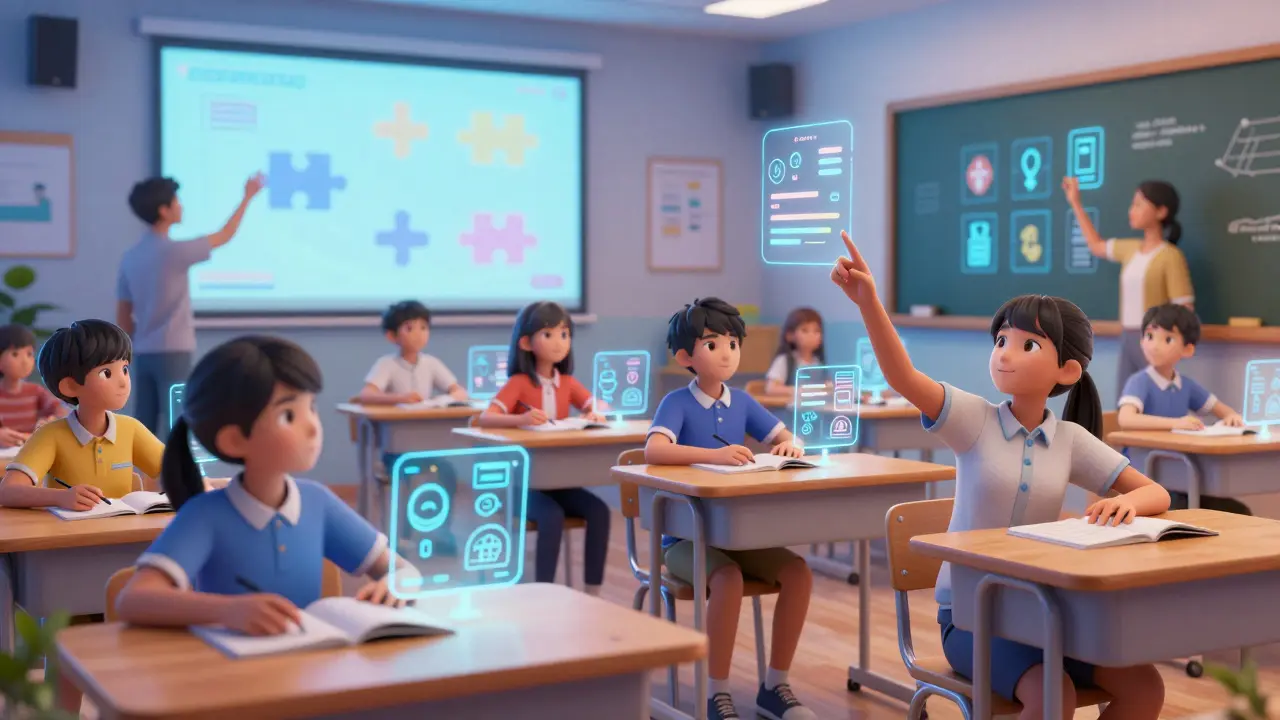
Imagine a classroom where students aren't just sitting through lectures but are actively hunting for clues, solving puzzles, and competing to unlock new levels of knowledge. This isn't a scene from a video game; it's the potential reality of Gamification, which is the application of game-design elements and game principles in non-game contexts. Specifically, we're talking about the classic triad: Points, Badges, and Leaderboards (PBL). But here’s the catch-slapping these elements onto a boring lesson doesn't magically make it fun. If you want to transform how people learn, you need to understand the psychology behind why these mechanics work and, more importantly, when they fail.
The goal of gamifying education isn't just to make learning "fun" in the sense of entertainment. It's to drive behavior, sustain attention, and provide immediate feedback. When done right, PBL systems can turn passive learners into active participants. When done wrong, they create stress, encourage cheating, and kill intrinsic motivation. Let's break down exactly how to use these tools without falling into common traps.
Understanding the Psychology of Engagement
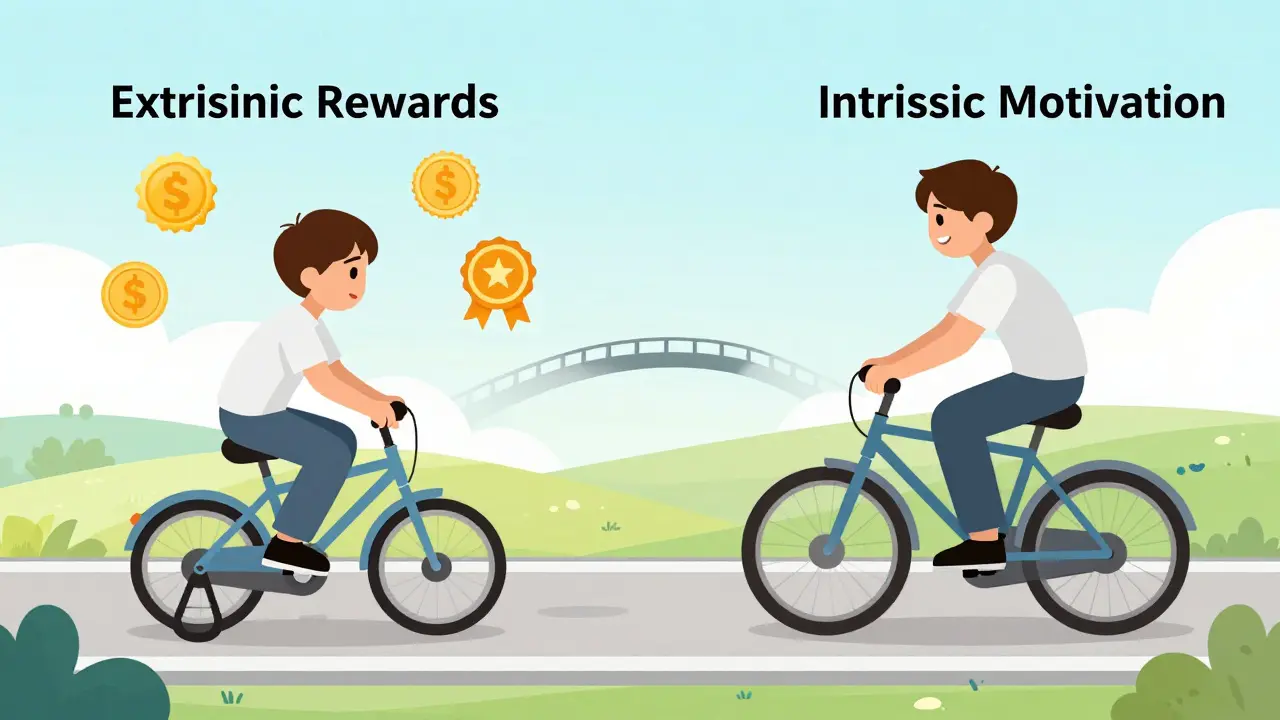
Before you assign a single point, you need to understand what drives human behavior. Gamification relies heavily on two types of motivation: extrinsic and intrinsic. Extrinsic motivation comes from outside rewards-like getting an A or earning a badge. Intrinsic motivation comes from within-the joy of mastering a skill or satisfying curiosity.
The danger with PBL is that it often leans too heavily on extrinsic rewards. If a student only studies to get points, they stop studying once the points run out. To fix this, your gamification strategy should bridge the gap. Use points as a scaffold to build confidence, which then leads to intrinsic satisfaction. Think of it like training wheels on a bike. You use them to learn balance, but eventually, you take them off because riding itself becomes rewarding.
Research in Educational Psychology, a field that studies how humans learn and retain knowledge in educational settings, suggests that autonomy, competence, and relatedness are key drivers of engagement. Your PBL system must support these three pillars. If a leaderboard makes someone feel incompetent, it fails. If badges don't give a sense of mastery, they're worthless. The design must serve the learner, not just the teacher's desire for order.
Points: The Currency of Progress
Points are the most basic unit of gamification. They quantify effort and achievement. However, treating points like money can backfire. If you award points for everything-showing up, being quiet, handing in homework-you risk creating a transactional relationship where students ask, "What do I get if I do this?" instead of caring about the content.
To make points effective, tie them to meaningful milestones rather than trivial tasks. Here is how to structure your point system:
- Avoid Point Inflation: Don't give 100 points for answering one question. Keep values proportional to the effort required. A complex project might be worth 500 points, while daily participation is 10.
- Variable Rewards: Borrow from slot machine psychology (carefully). Instead of fixed points, offer bonus multipliers for streaks or exceptional quality. This keeps the dopamine response fresh.
- Feedback Loops: Points should provide immediate feedback. If a student submits an assignment, they should see their score update instantly. Delayed gratification works for long-term goals, but short-term loops keep engagement high day-to-day.
Remember, points are a metric, not the goal. The goal is learning. If you find students gaming the system to earn points without learning, your metrics are misaligned. Adjust the criteria so that only genuine understanding yields high scores.
Badges: Visualizing Mastery
While points measure quantity, badges measure quality and specific skills. A badge is a digital trophy that signifies a particular achievement. Unlike points, which are cumulative, badges are binary-you either have them or you don't. This makes them powerful symbols of status and competence.
Designing effective badges requires specificity. A generic "Good Job" badge means nothing. Instead, create badges that reflect real-world competencies or course-specific milestones. For example, in a coding class, you might have a "Debugging Master" badge awarded after successfully fixing five complex errors. In a history class, a "Primary Source Analyst" badge could be earned for writing a well-researched paper using archival documents.
Consider implementing tiered badges to encourage progression. Start with bronze, silver, and gold versions of the same skill. This mirrors the leveling-up mechanic in games. It shows learners that mastery is a journey, not a destination. As they move from bronze to gold, they gain deeper expertise, and the badge serves as a visible testament to that growth.
Also, think about rarity. If everyone gets the same badge on day one, it loses value. Scarcity creates desire. Make some badges hard to earn, requiring consistent effort over weeks or months. This encourages long-term persistence rather than quick wins.
Leaderboards: Competition vs. Collaboration
Leaderboards are the most controversial element of PBL. Done poorly, they demotivate the majority of students who never stand a chance of reaching the top. Research consistently shows that public ranking can cause anxiety and disengagement among lower-performing learners. If you're at the bottom of the list, why bother trying?
To mitigate this, avoid global leaderboards that rank every student against each other. Instead, use localized or dynamic leaderboards. Here are safer alternatives:
| Type | Description | Pros | Cons |
|---|---|---|---|
| Global Ranking | Ranks all students in the class/course | Clear hierarchy, high stakes | Demotivates bottom 80%, encourages cheating |
| Peer Groups | Ranks small teams or friends against each other | Fairer competition, social bonding | Requires careful group management |
| Personal Best | Compares current performance to past self | Focuses on growth, no losers | Lacks social pressure, less exciting for some |
| Rotating Top 10 | Shows top performers but resets weekly | Gives everyone a chance to shine | Can feel artificial if not managed well |
Another approach is to focus on team-based leaderboards. Shift the competition from individual to group. This fosters collaboration, as stronger students help weaker ones to boost the team's total score. It reduces the stigma of failure and builds community. In this model, the leaderboard tracks collective progress, making success a shared experience.

Integrating PBL into Your Curriculum
You can't just add PBL on top of an existing curriculum and expect magic. It needs to be woven into the fabric of your teaching. Start by mapping your learning objectives to game mechanics. What skills do you want students to master? Which behaviors do you want to reinforce?
For instance, if you want students to read more, create a "Reading Streak" badge that requires logging pages read daily. Award points for depth of analysis in discussion forums. Use leaderboards to track team projects. The key is alignment. Every point, badge, and rank should directly correlate with a learning outcome.
Technology plays a huge role here. You don't need to build a custom app. Many Learning Management Systems (LMS) like Moodle, Canvas, or Blackboard have plugins that support gamification. Tools like Classcraft or Kahoot! offer ready-made frameworks. Choose a platform that allows flexibility. If you're stuck with rigid software, you can still implement PBL manually using spreadsheets and physical certificates, though automation saves time and reduces errors.
Start small. Pilot the system with one module or one class. Gather feedback. Ask students what they liked and what felt unfair. Iterate based on their input. Gamification is not a set-it-and-forget-it solution. It requires ongoing tuning to stay engaging.
Pitfalls to Avoid
Even experienced educators stumble when implementing gamification. Here are the most common mistakes:
- Over-gamification: Turning every interaction into a game dilutes the impact. Save high-stakes mechanics for major milestones. Not every quiz needs a leaderboard.
- Ignoring Cheating: When points matter, people will try to cheat. Design assessments that test understanding, not just recall. Open-book exams, creative projects, and oral defenses are harder to fake than multiple-choice quizzes.
- Neglecting Onboarding: Students need to understand the rules clearly. Provide a tutorial or guide that explains how points are earned, what badges mean, and how leaderboards work. Confusion leads to frustration.
- Focusing Only on Winners: Celebrate improvement, not just perfection. Highlight students who made significant progress, even if they aren't at the top. This reinforces a growth mindset.
Finally, remember that gamification is a tool, not a cure-all. It won't fix a poorly designed course or bad teaching. Content quality remains paramount. Gamification amplifies good instruction; it cannot replace it.
Is gamification suitable for all age groups?
Yes, but the mechanics must adapt. Younger children respond well to simple points and colorful badges. Teenagers and adults prefer more subtle competition and meaningful achievements. Avoid childish themes for older audiences, and ensure the challenges are intellectually stimulating.
How do I prevent leaderboards from causing anxiety?
Use anonymous leaderboards or personal best trackers. Alternatively, limit visibility to small peer groups. Emphasize that the goal is self-improvement, not beating others. Regularly reset rankings to give everyone a fresh start.
What are the best tools for implementing PBL in schools?
Popular options include Classcraft for K-12 immersion, Kahoot! for quick quizzes, and Badgeville for enterprise training. For LMS integration, check plugins for Moodle or Canvas. Choose based on your budget and technical comfort level.
Does gamification reduce intrinsic motivation?
It can if overused. If external rewards overshadow the joy of learning, students may lose interest once rewards stop. Balance extrinsic incentives with opportunities for autonomy and mastery to nurture intrinsic drive.
How do I measure the success of my gamified course?
Track engagement metrics like login frequency, assignment completion rates, and time spent on tasks. Compare these against pre-gamification baselines. Also, survey students for qualitative feedback on enjoyment and perceived learning value.
