
The Hidden Danger in Digital Ownership
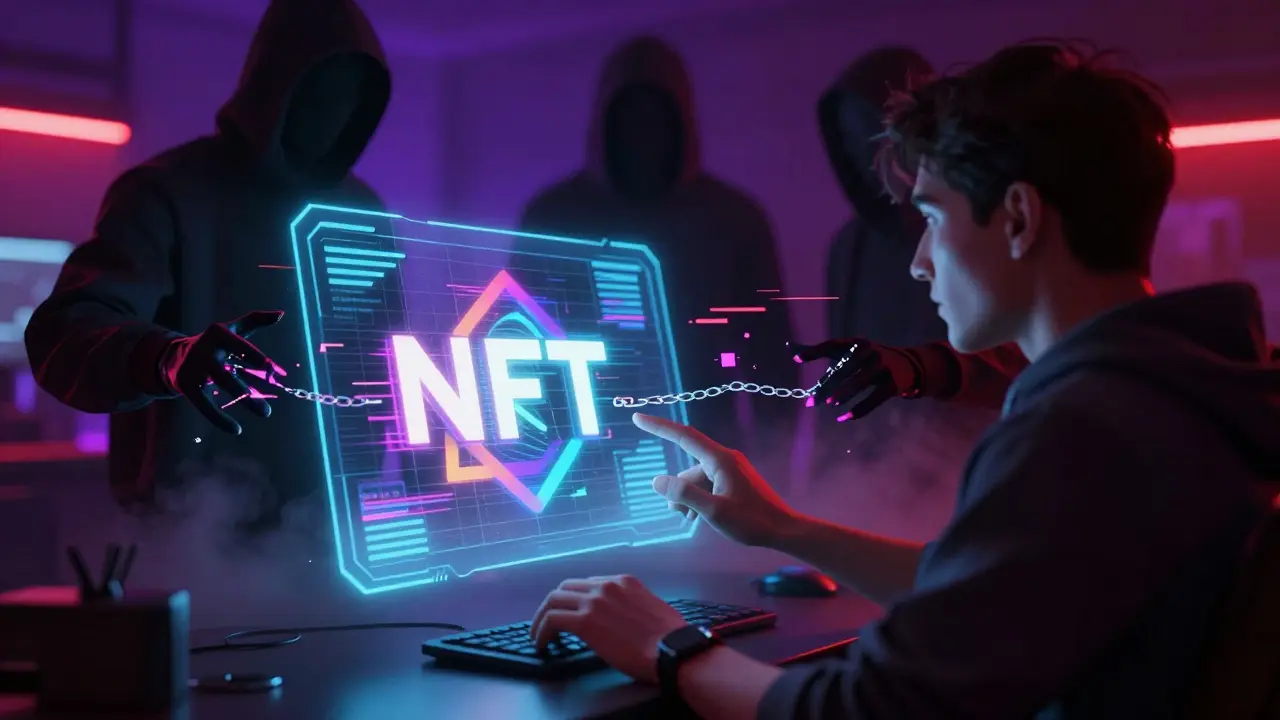
Buying digital art or collectibles feels exciting. You're part of something new, something exclusive. But there's a dark side to NFT scams. As you connect your wallet and click "Buy," fraudsters are watching, waiting for a single mistake to drain your account. The space is rife with fake collections and sophisticated traps designed to steal your money and your keys. Understanding these risks isn't just good practice; it's essential survival.
Non-fungible tokens (NFTs) have exploded in popularity, bringing massive financial opportunities. Yet, the rapid growth has created fertile ground for fraud. These scams range from simple phishing tricks to complex technical manipulations targeting unsuspecting collectors. If you plan to buy, sell, or hold digital assets, knowing how to spot a lie before you invest is the first line of defense. We need to talk about the specific mechanisms scammers use so you can walk away safely.
Understanding the Most Common NFT Scam Types
Not all fraud looks the same. To stay safe, you have to know what you're looking for. Here are the primary ways people lose money in the crypto space.
The Rug Pull
This is arguably the most devastating scenario. A project team launches an NFT collection with professional artwork and a strong roadmap promising future utility, gaming integration, or huge returns. They build hype, drive up the price, and then suddenly shut off communication. They sell out the collection, take all the investment capital, and disappear. The buyers are left with worthless JPEGs that have no value on secondary markets. This happens because investors are driven by FOMO-fear of missing out-rather than due diligence.
| Scam Type | How It Works | Key Warning Signs |
|---|---|---|
| Rug Pull | Creators abandon project after raising funds | Anonymous team, locked liquidity, vague roadmaps |
| Pump and Dump | Artificially inflating prices via hype | Sudden volume spikes, coordinated messaging |
| Phishing | Fake sites asking for wallet connection | URL typos, urgency in messages, unsecured links |
| Bidding Scam | Switching currency mid-transaction | Offers below floor price, different token symbols |
| Impersonation | Faking artist profiles | New social accounts, slight name variations |
The Pump and Dump
Fraudsters coordinate groups to buy up supply early. They then post aggressive marketing campaigns across social media claiming the token will skyrocket in value. When regular investors jump in, pushing the price higher, the orchestrators sell their holdings immediately. The price crashes, leaving latecomers holding the bag. These schemes often rely on fake news bots or paid influencers who have no real relationship with the project.
Phishing and Social Engineering
This is the easiest way for hackers to gain access. You receive an email, a direct message on Discord, or a DM on Twitter claiming to be support staff. The message usually states there is a critical issue with your wallet or account that requires immediate action. If you click the link, you enter your seed phrase or private key into a fake website. Once entered, your funds are transferred instantly. Real platforms like OpenSea never ask for your seed phrase via chat.
Verifying Authenticity Before Buying
Before you spend any cryptocurrency, you need to treat the transaction like a background check. A quick scan can save you thousands. Start by verifying the marketplace itself. Stick to established platforms such as OpenSea, Rarible, or Foundation. Scammers often create mirror sites that look nearly identical but have URLs slightly off-like "opensea.io" instead of "opensea.com." Always bookmark official links rather than clicking search results.
Check the creator's profile. Legitimate artists usually have a verified badge. Look at their history. Do they have other collections? Have they engaged with their community previously? If a profile was created yesterday but claims to represent a famous brand or artist, it is almost certainly fake. Verify ownership by cross-referencing the artist's official website or social media handles.
Examine the contract address. Every NFT collection lives on a specific smart contract. On reputable marketplaces, you can view the deployed code. Compare the contract address listed on the marketplace with the one provided on the project's official documentation. If they differ, do not proceed. Also, check the number of holders. A legitimate collection typically has hundreds or thousands of unique owners. If the majority of NFTs are held in a few wallets, it suggests a bot-driven operation or a pre-mined scam.
Securing Your Crypto Wallet
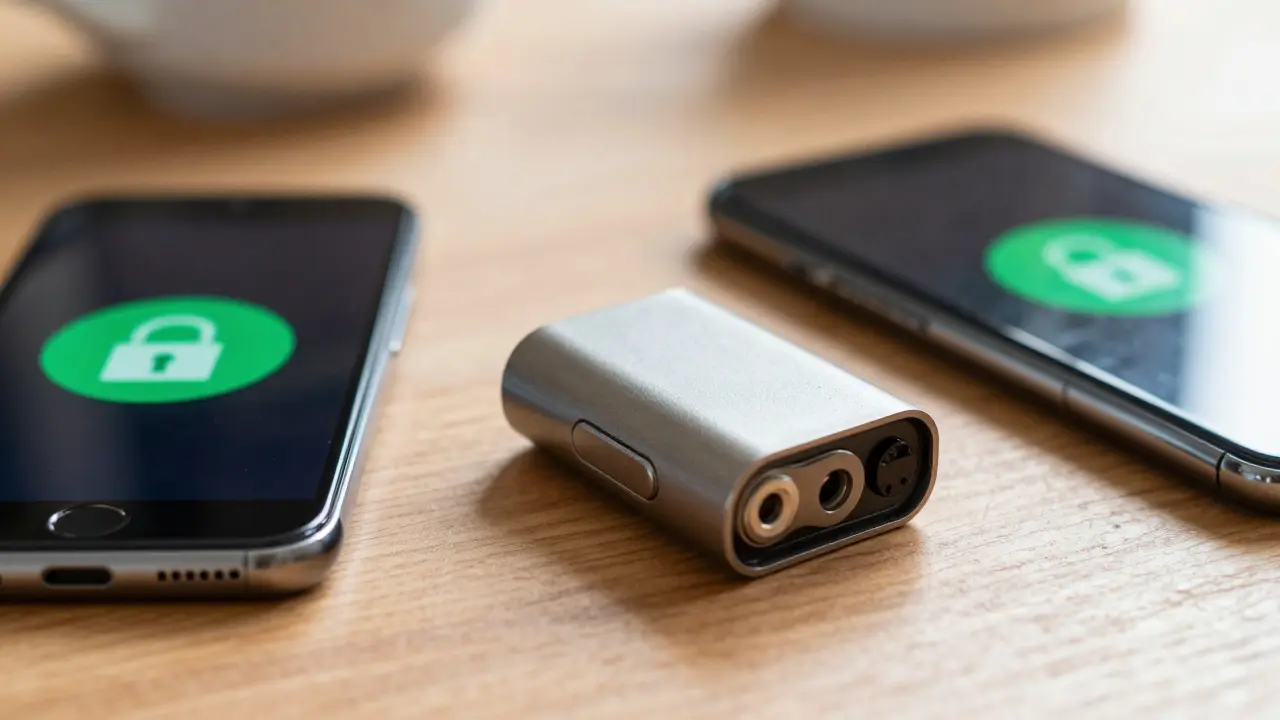
Your wallet is the vault for your digital assets. Compromising it means total loss. MetaMask and hardware wallets like Ledger provide robust security, but only if used correctly. Never store all your wealth in a single web-based wallet connected to many dApps. Instead, set up a "burner wallet" for risky interactions like minting new drops or bidding on unknown auctions. Fund it with only enough crypto for gas fees and a small purchase amount. Even if that burner gets drained, your main savings remain untouched elsewhere.
Multi-factor authentication (MFA) is non-negotiable. Enable 2FA on your exchange account and your marketplace account whenever possible. Be wary of browser extensions or apps that claim to speed up transactions but require full wallet permissions. Review authorization requests carefully before signing. Malicious smart contracts can sometimes be granted permission to sell your NFTs without limit. Revoking unused permissions periodically using tools like Revoke.cash helps keep your exposure low.
Recognizing Red Flags in Community Behavior
Every project builds a community, usually on Discord or Telegram. While some genuine projects are incredibly supportive, toxic communities are often warning signs of trouble. Watch out for excessive hype where admins constantly push users to buy without answering questions. Legitimate teams provide transparency. If you ask about the roadmap, the developers' backgrounds, or the fund allocation and get evasive answers, walk away.
If the conversation focuses solely on "moon shots" and financial gains rather than the actual product or art, it's a major red flag. Additionally, monitor the behavior of moderators. Are they banning anyone who asks difficult questions? In healthy spaces, criticism is discussed openly. Lockdown channels indicate a lack of confidence in the project's legitimacy. Check the engagement levels-if a Discord server has 10,000 members but less than 10 people talking in the chat room, the user base might be fake bots generated to simulate interest.
What to Do If You Suspect Fraud
Sometimes you recognize a scam too late. If you realize you've fallen for a phishing attempt, move your remaining assets immediately to a new, secure wallet. Change passwords on associated email accounts and enable MFA everywhere. Report the incident to the platform where it occurred. While recovery isn't guaranteed, reporting creates a record that protects others. Blockchain transactions are immutable, meaning once funds are sent, reversing them is technically impossible. However, alerting law enforcement or specialized cybercrime units provides a paper trail that could help investigate organized crime rings involved in large-scale theft.
Staying Safe in a Volatile Market
The landscape of digital asset fraud evolves daily. As defenses improve, attackers find new angles. There is no magic bullet, but skepticism is your best tool. Assume every unsolicited message is malicious until proven otherwise. Always verify URLs manually. Check the contract address. Use hardware wallets for significant holdings. By layering these habits, you drastically reduce the surface area available to attackers.
Can I recover my NFT if I bought a fake one?
Recovery depends entirely on the blockchain technology. Since blockchains are decentralized and immutable, there is usually no way to reverse a transaction once confirmed. However, if you purchased on a centralized platform, reporting the seller may result in them being banned, potentially helping future buyers avoid the same error.
Is it safe to connect my wallet to a new marketplace?
Proceed with caution. Connecting a wallet grants potential permission to interact with the site's smart contracts. Only connect after verifying the URL is correct, the site is HTTPS, and the platform has a strong reputation. Using a burner wallet for exploration minimizes the risk of losing your main funds.
How do I tell if an NFT collection is a rug pull?
Signs include anonymous creators, locked liquidity that cannot be withdrawn easily, and a sudden drop in trading volume followed by zero communication from the team. Research the smart contract to see if the deployer retains control to mint unlimited new tokens or change the supply.
Are hardware wallets immune to scams?
Hardware wallets add a layer of physical security, protecting your private keys from malware on your computer. However, they cannot stop you if you willingly sign a transaction on the device. Always verify the screen on the device matches what you expect before hitting the approve button.
Why should I never share my seed phrase?
Your seed phrase acts as the master key to your entire crypto identity. Anyone with this phrase can reconstruct your wallet anywhere in the world and transfer all assets permanently. Legitimate services never ask you to enter this phrase online.

Comments (15)
Jeroen Post March 31 2026
they watch u connect your wallet they steal the keys dont trust anyone online ever just keep it offline cold storage is the only way to survive this mess
Nathaniel Petrovick April 2 2026
i totally agree with the points made here about verifying contracts it is super important to double check everything before connecting your main wallet i lost some money early on because i trusted a dm too much now i am way more careful about it
Jason Townsend April 3 2026
watch the discord admins they are working together with the devs to push prices up then dump on you typical playbook nothing new happening here just different names for the same fraud scheme
Honey Jonson April 4 2026
so much stress about all teh scams lately honestly it feels like everyone wants to take ur money just remember to lock ya wallet tight n never click links from strangers okie dokie hope yall stay safe
Sara Escanciano April 6 2026
You people are clueless if you think you can just buy these things without thinking clearly it is disgusting how greedy people drive this industry into the ground stop being reckless with other people's capital and actually learn how to read code before spending money on digital garbage
Marissa Martin April 6 2026
It is unfortunate that some feel the need to speak so harshly but the underlying point about diligence remains valid we should focus on education rather than attacking those learning
Antwan Holder April 8 2026
The tragedy of our digital age is that we trade authenticity for validation and lose our souls in the process to pixelated ghosts that promise wealth but deliver only despair and silence
Jennifer Kaiser April 9 2026
I hear the pain in your words and I understand the feeling of betrayal many have experienced in this space please know that your caution is wise and shared by thoughtful members everywhere
Angelina Jefary April 10 2026
There is a difference between security advice and conspiracy but the grammar in the previous posts needs work if we want to be taken seriously we must communicate with precision regarding these critical topics
TIARA SUKMA UTAMA April 12 2026
The platform looks suspicious.
Jasmine Oey April 12 2026
Oh darling surely you see beyond the surface mere aesthetics are trivial compared to the true art of contract engineering which separates the elite from the common herd of unsuspecting fools who lack vision
adam smith April 14 2026
This article provides good information on safety. I find the section on phishing very useful for beginners. Everyone should read this carefully. It helps prevent loss of funds.
Mongezi Mkhwanazi April 14 2026
It is absolutely essential that we understand the gravity of this situation regarding digital security protocols, which are often overlooked by the average participant. The mechanisms described herein are not merely theoretical threats, but actual vectors of financial ruin waiting to strike without warning. We must acknowledge the sophistication involved in modern phishing campaigns that utilize psychological manipulation techniques. Furthermore, the volatility of the market serves as both a shield and a weapon for these malicious actors hiding in plain sight. One cannot emphasize enough the importance of hardware wallets when storing significant value over long periods of time. Many individuals suffer because they prioritize convenience above all else when managing their cryptographic assets. The human element remains the weakest link in any complex chain of security measures implemented today. Education is key, yet education alone does not stop someone from clicking a bad link during a moment of panic. We need systemic changes across major platforms to reduce the frequency of these exploitative encounters happening daily. If regulators do not step in soon, we will see an even higher rate of catastrophic losses among retail investors globally. Personal responsibility is required, but it should not place the entire burden on the individual user to fight against organized crime syndicates. We observe patterns emerging where communities are groomed specifically to accept false narratives about project utility. This grooming process happens slowly and methodically over weeks or months before the final extraction event occurs. Therefore, patience is the most valuable asset a collector possesses when navigating this treacherous landscape filled with hidden dangers. Always verify contracts before connecting your wallet to any unfamiliar interface requesting permissions. Constant vigilance is necessary.
Mark Nitka April 15 2026
That is a very thorough breakdown of the risks involved and it highlights why community awareness matters so much we should support each other in staying safe and informed rather than fighting amongst ourselves over small issues
Elmer Burgos April 17 2026
thanks for sharing this info really helpful stuff for everyone trying to stay safe out there lets just help eachother navigate this crazy world peacefully