
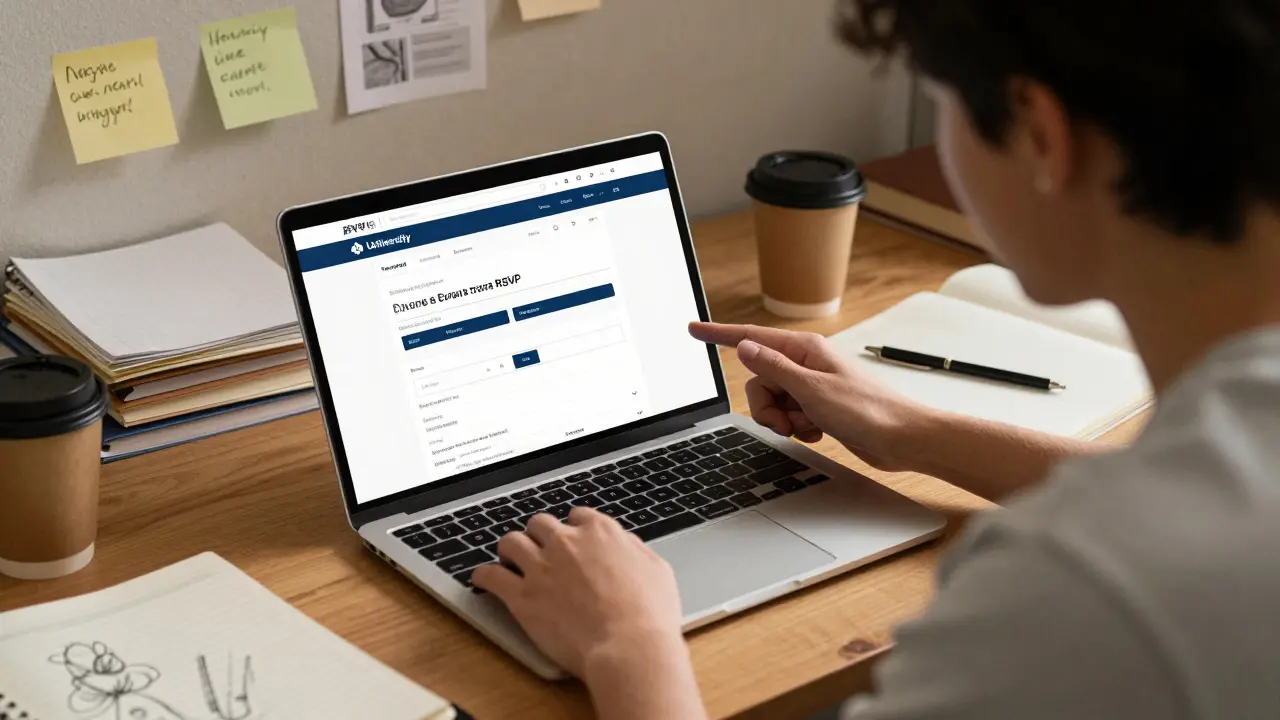
Most students finish their courses with a stack of grades and a diploma. But what really gets you hired? It’s not your GPA. It’s the portfolio projects you built while you were learning. Employers don’t care how well you memorized theories. They want to see what you can actually do. That’s why your capstone project isn’t just another assignment-it’s your professional calling card.
Why Your Capstone Project Matters More Than Your Transcript
Think about it: if you’re applying for a web development job, do you really want to hire someone who aced a 50-question exam on HTML but has never built a live website? Probably not. Companies hire problem-solvers, not test-takers. A well-designed capstone project proves you can take an idea from zero to launch. It shows you can manage deadlines, debug real issues, and deliver something people actually use.
According to a 2025 survey by LinkedIn, 78% of tech hiring managers say they prioritize portfolio work over academic credentials when evaluating recent graduates. That’s not a trend-it’s the new standard. Your project doesn’t need to be perfect. But it does need to be real.
What Makes a Capstone Project Stand Out?
A good capstone isn’t just a clone of a tutorial. It’s not a to-do list app with three features. It’s not a website that says "Built with React" in the footer. A standout project solves a real problem-even if it’s small.
Here’s what separates good from great:
- It has a clear user-not just "users," but a specific person. Maybe it’s a busy college student who needs to track lab schedules. Or a local bakery owner who wants to automate orders.
- It has a clear problem-what pain point does it fix? Is it slow data entry? Confusing navigation? No visibility into inventory?
- It has a clear outcome-did it reduce time by 40%? Did it increase user retention? Even estimates count if you measured them.
One student built a tool that scanned university course syllabi and auto-generated study schedules based on exam dates and assignment weights. It didn’t use AI. It didn’t need to. It just read PDFs, parsed due dates, and spit out a calendar. That project got her three job interviews-and two offers.
How to Pick the Right Project Topic
Don’t pick something just because it’s trendy. Don’t build an AI chatbot because everyone else is. Pick something that connects your coursework to your interests-or better yet, your future job.
Ask yourself:
- What did I enjoy most in class? Was it data visualization? Backend APIs? User research?
- What kind of work do I want to do after graduation?
- What tools did we use that I wish I could use in the real world?
For example, if you took a database class and loved SQL, don’t just build a contact manager. Build a tool that helps a local nonprofit track volunteer hours and match them with open shifts. Use the same SQL skills-but apply them to something meaningful.
Another tip: look at job postings in your target role. What tools or skills do they ask for? If you see "Experience with Firebase," build something with Firebase. If they want "REST API integration," connect two services. You’re not just doing homework-you’re prepping for the job.
Structure Your Project Like a Professional
Even if you’re working alone, treat your project like a team product. That means structure. That means documentation. That means clean code.
Here’s how to organize it:
- Problem statement-one paragraph explaining what you’re solving and why it matters.
- Scope-what’s included? What’s out of scope? Be honest. Don’t say you built a full e-commerce site if you only did the product listing page.
- Technologies used-list frameworks, languages, APIs. Be specific. Don’t say "JavaScript." Say "React 18, Vite, and Axios."
- Process-how did you build it? Did you sketch wireframes? Test with five users? Refactor twice?
- Results-what worked? What didn’t? What would you change next time?
One student wrote a 2-page README for her project that included a video walkthrough, a link to the live site, and a GitHub repo with clear commit messages. She didn’t just submit code-she told a story. That’s what hiring managers remember.
Don’t Just Build It-Show It
A project hidden in a GitHub repo is invisible. A project on a personal website with screenshots, a demo video, and a clear explanation? That’s a conversation starter.
Create a simple landing page for your project. Use free tools like Vercel, Netlify, or GitHub Pages. Include:
- A short headline: "A tool that helps campus clubs manage event RSVPs"
- Two or three screenshots or a 60-second video
- A link to the live version
- A link to the source code
- One paragraph on what you learned
Don’t overdesign it. You’re not building a startup website-you’re building proof of skill. Clarity beats polish every time.
Common Mistakes to Avoid
Here’s what most students get wrong:
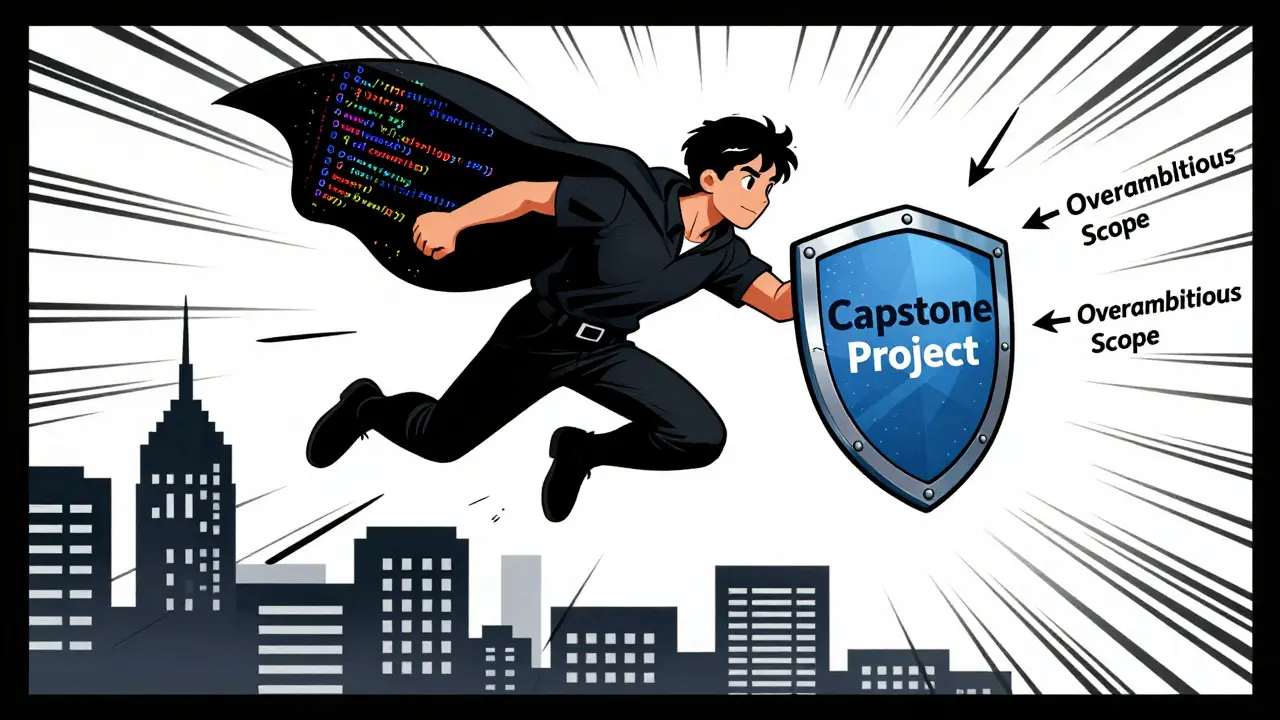
- Building something too big-trying to make a full e-commerce platform in two weeks. You’ll burn out. Focus on one core feature and nail it.
- Not documenting the process-if you can’t explain how you solved a bug, you didn’t really learn it.
- Using placeholder data-real data matters. If you’re building a weather app, use real API calls. If you’re building a user dashboard, use real user roles.
- Ignoring accessibility-even a simple project should have proper contrast, keyboard navigation, and alt text. It shows you care about real users.
- Not testing with real people-ask a friend who’s not in your class to use it. Watch them struggle. That’s gold.
How to Use Your Project in Interviews
When they ask, "Tell me about a project you’re proud of," don’t start with the tech stack. Start with the person.
Example: "I noticed that students in my dorm kept missing club meetings because they didn’t know the schedule. So I built a simple tool that pulls event data from Google Calendar and sends SMS reminders. I tested it with 12 people. Two weeks later, attendance went up 35%."
Then explain the tech. Then talk about what you learned. Then say what you’d do next. That’s a full story. That’s memorable.
And if they ask, "Why did you choose React over Vue?"-be ready. Not because you read a blog post. Because you tried both. Because one felt faster for your use case. That’s expertise.
What Comes Next?
Once your capstone is done, don’t bury it. Share it. Post it on LinkedIn. Add it to your resume. Mention it in cold emails. Ask professors to link to it from their syllabi. Turn your project into a conversation.
Some students have landed internships just because someone saw their project and DM’d them. Others got hired because their project solved a problem the company was quietly struggling with.
Your course taught you skills. Your capstone proved you can use them. That’s the difference between a graduate and a hire.
What if my capstone project isn’t perfect?
No project is perfect-and employers know that. What matters is that you built something real, learned from the process, and can explain your decisions. A simple, functional project with clear documentation beats a flashy, broken one every time.
How long should a capstone project take?
Most capstone projects run 8 to 16 weeks, depending on your course. But the best ones are built in phases: 1 week to plan, 4-6 weeks to build, 1-2 weeks to test and document. Don’t wait until the last month to start. Consistent progress beats cramming.
Can I use my capstone for a job outside my field?
Absolutely. A project that shows problem-solving, communication, and technical skill translates across roles. A marketing student who built a data dashboard for campaign tracking can apply for analytics roles. A design student who coded a responsive website can apply for UX roles. Focus on the transferable skills, not just the tool.
Should I include multiple projects in my portfolio?
One strong project is better than three half-finished ones. If you have more, pick the top two or three that show different skills-like one frontend, one backend, one design-focused. Quality over quantity always wins.
Do I need to host my project live?
It’s not mandatory, but it’s a huge advantage. A live demo lets employers interact with your work. Use free hosting like Netlify or GitHub Pages. Even a static site with screenshots and a video walkthrough is better than nothing. If you can’t host it, record a clear screen recording and link to it.

Comments (14)
Ben De Keersmaecker February 1 2026
I built a tool last semester that scraped my university’s dining hall menu and sent me daily SMS alerts when vegan options were available. No AI, just Python and Twilio. Got a job offer from a health-tech startup because they saw it and said, "You solved a problem nobody else bothered to notice."
Aaron Elliott February 2 2026
While I appreciate the sentiment, one must question the epistemological foundation of equating project completion with professional readiness. The Cartesian dualism between academic theory and practical application is a false dichotomy-both are necessary for true competency. To elevate the portfolio above the transcript is to mistake the map for the territory.
Chris Heffron February 2 2026
lol i did the same thing as ben but with coffee shop hours 😅 turned it into a little web app and my prof shared it with the business dept. they used it for their student intern program. small wins, you know?
Adrienne Temple February 3 2026
Y’all, I just want to say-this post made me cry a little. I spent 3 months on my capstone building a simple app for my grandma to track her meds. She couldn’t use smartphones, so I made it with giant buttons and voice prompts. She still uses it. No one interviewed me for it, but I don’t care. This is why we do it. 💛
Sandy Dog February 4 2026
OK BUT WHAT IF YOUR PROJECT IS A TOTAL MESS??? I spent 6 weeks on this full-stack todo app and then realized I forgot to add delete functionality for like 3 weeks?? I was so embarrassed I almost deleted the repo. Then I posted it anyway and got 3 DMs saying "omg i did the same thing" and one guy sent me a meme of a crying cat with "this is me after my capstone" 😭😭😭
Nick Rios February 4 2026
Really appreciate this breakdown. I think a lot of students feel pressure to build something flashy, but the real value is in showing how you think through problems. I had a project that just automated a spreadsheet for a local food bank. It didn’t even have a UI. But I explained how I talked to the volunteers, learned their workflow, and reduced their weekly workload by 10 hours. That story got me in the door.
Amanda Harkins February 6 2026
the part about not using placeholder data… yeah. i did that. i used "user1", "user2" for my dashboard. then i realized halfway through that real data changes how you design things. like, turns out people don’t like their names being "John Doe" in a report. who knew? i rewrote the whole thing. worth it.
Jeanie Watson February 6 2026
just saying-most of these "standout" projects are from kids who had access to mentors, time, and tech. not everyone can afford to spend 16 weeks building a side project while working part-time. the system’s rigged.
Tom Mikota February 7 2026
you say "don’t build an AI chatbot because everyone else is"-but then you say "if job posts say Firebase, build with Firebase"?? so… if everyone’s doing Firebase, you’re telling me to do it too?? i’m confused. are we building for jobs or for originality?? also, your commas are missing. like, everywhere.
Mark Tipton February 9 2026
Let me be the first to say this: the entire premise of this post is a corporate propaganda piece disguised as career advice. Employers don't value portfolios-they value candidates who pass their algorithmic screening tools, which prioritize Ivy League degrees and prior internships at FAANG. Your "real project" is just noise in the system unless you have the right pedigree. Also, GitHub is owned by Microsoft. Do you even know what you're contributing to?
Adithya M February 11 2026
bro this is gold. i made a budget tracker for my cousin’s small shop in Delhi using Google Sheets + Apps Script. they didn’t even know what an API was. i just made it work. now they use it daily. no fancy tech, just solving real stuff. this is what matters.
Jessica McGirt February 12 2026
Thank you for saying this. I was terrified my project was too simple-just a weather widget that showed local air quality. But I interviewed 5 neighbors, fixed the UI based on their feedback, and wrote a 1-page reflection on why accessibility matters. One recruiter said, "You listened. That’s rarer than code."
Donald Sullivan February 12 2026
you think your project is the reason you got hired? nah. you got hired because you showed up, didn’t quit, and didn’t whine when your code broke. your project was just the excuse to prove you didn’t quit. stop romanticizing the grind.
Tina van Schelt February 13 2026
my capstone was a website that let people donate unused textbooks to high schoolers. i didn’t know how to code, so i used Webflow. it looked like a GeoCities page from 1999. but i filmed a 90-second video of a kid opening a free calculus book and said, "This is why I built this." Got a scholarship. Sometimes, heart beats polish.