
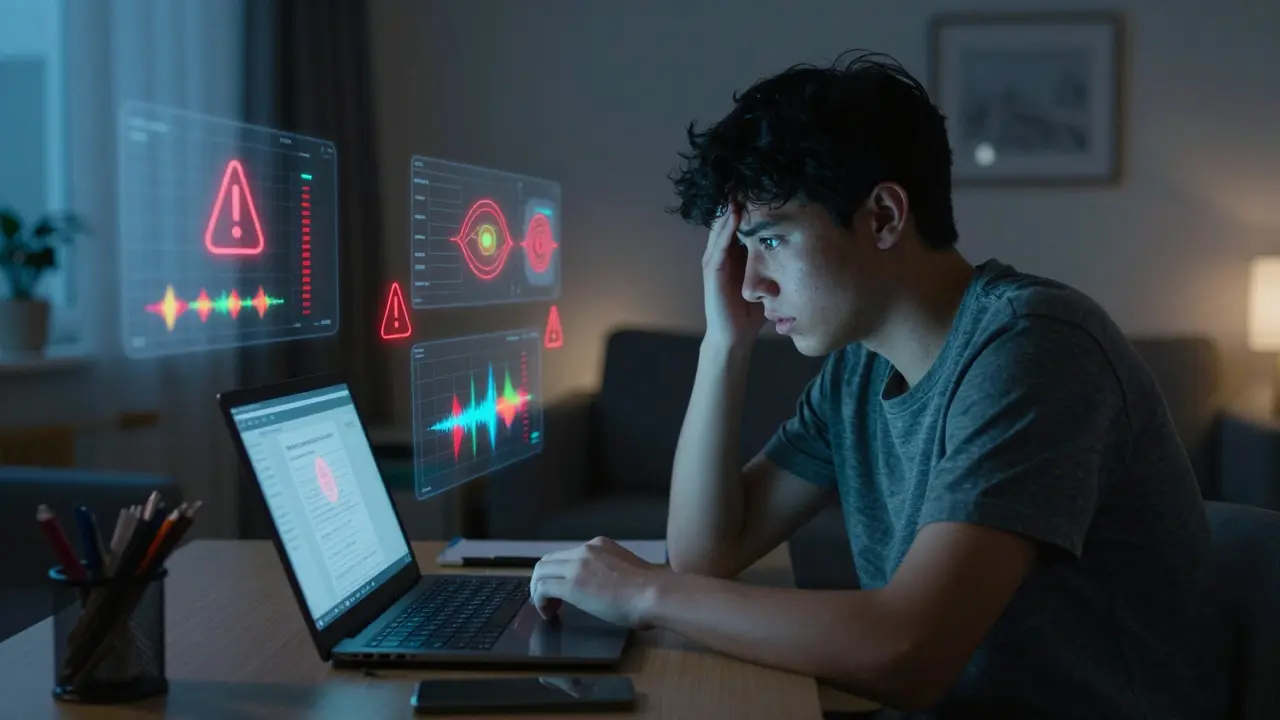
Imagine sitting down to take a crucial certification exam from your living room. You’ve studied for months, the stakes are high, and suddenly, a software algorithm flags you for "suspicious eye movement" because you blinked too long or glanced at your notes. Or perhaps a human proctor is watching via webcam, judging your every twitch. This tension between security and privacy defines the current landscape of proctoring technology, which is software used to monitor candidates during remote assessments to prevent cheating. As we move through 2026, institutions are forced to choose between two distinct approaches: automated AI proctoring, which uses algorithms to detect anomalies in real-time, and human-invigilated remote testing, where live staff watch video feeds. Neither option is perfect, but understanding their mechanics helps educators and test-takers navigate this complex digital environment.
The Rise of Remote Assessment Security
The shift toward remote learning accelerated dramatically after 2020, forcing universities and certification bodies to rethink how they verify identity and integrity. Traditional exam halls provided physical control; online environments require digital surveillance. Proctoring technology emerged as the bridge between these worlds. It aims to replicate the "lockdown" experience of a physical test center using webcams, microphones, and screen recording software.
In 2026, the market has matured significantly. Early solutions were clunky and prone to false positives. Today’s platforms offer sophisticated integration with Learning Management Systems (LMS) like Moodle or Canvas. However, the core debate remains unchanged: do you trust code or people to enforce rules? The answer depends on scale, budget, and ethical priorities.
How AI Proctoring Works
Automated proctoring relies on machine learning models trained to recognize patterns associated with academic dishonesty. When a candidate starts an exam, the software requests access to their camera, microphone, and browser tabs. From that moment, it begins analyzing data streams continuously.
- Facial Recognition: The system verifies the candidate’s identity against a photo ID at the start. During the exam, it tracks gaze direction. If eyes leave the screen area repeatedly, it flags the event.
- Audio Monitoring: Microphones listen for voices other than the candidate’s. Some advanced systems can even detect the sound of typing on a second keyboard or whispering.
- Behavioral Biometrics: Algorithms analyze mouse movements and keystroke dynamics. Erratic patterns might suggest someone else is taking over the computer.
- Screen Recording: The software captures everything displayed on the monitor, including attempts to open unauthorized applications or switch tabs.
These events are logged into a session report. In many cases, no human reviews the footage unless the AI confidence score exceeds a certain threshold. This makes AI proctoring highly scalable. A single platform can monitor thousands of simultaneous exams without additional staffing costs. For large-scale standardized tests or massive open online courses (MOOCs), this efficiency is unmatched.
The Reality of Human Invigilation
Human-invigilated remote testing involves live proctors watching video feeds of candidates. Unlike AI, humans provide context. They can distinguish between a student looking away to think deeply versus looking away to check a cheat sheet hidden under the desk. They can also interact directly with the candidate, asking them to adjust their lighting or remove headphones if they appear suspicious.
This approach feels more personal and less intrusive to some candidates. Knowing a person is watching can reduce anxiety about being flagged by a rigid algorithm. However, it comes with significant limitations. Humans suffer from fatigue. Watching dozens of low-resolution video feeds simultaneously leads to attention drift. Studies in cognitive psychology show that vigilance drops sharply after 20 minutes of continuous monitoring. To mitigate this, institutions must rotate proctors frequently, increasing operational complexity.
Additionally, human proctoring raises questions about consistency. One proctor might be strict about minor infractions, while another overlooks them. This lack of standardization can lead to disputes over fairness. Despite these challenges, human oversight remains preferred for high-stakes professional certifications where nuance matters.
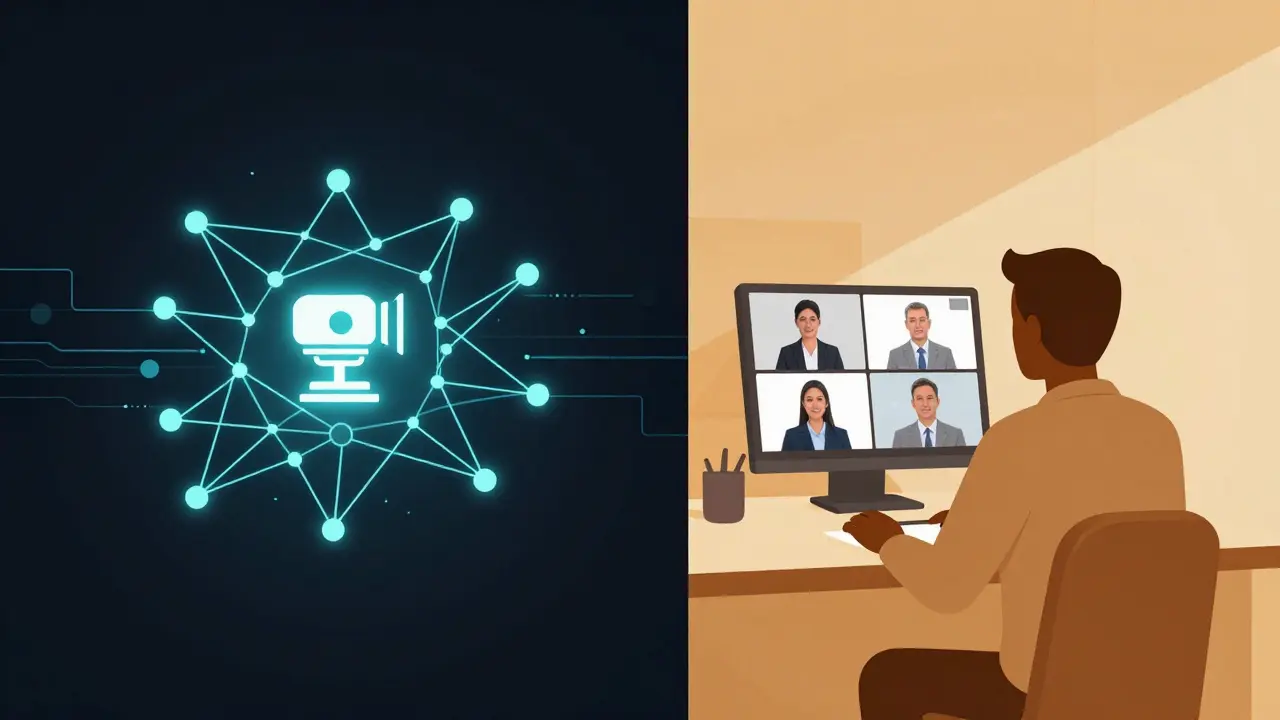
Key Differences: AI vs Human Proctoring
To make an informed decision, it helps to compare the two methods across critical dimensions. Below is a breakdown of how they perform in real-world scenarios.
| Feature | AI Proctoring | Human Invigilation |
|---|---|---|
| Scalability | High - handles unlimited concurrent users | Low - limited by number of available proctors |
| Cost Efficiency | Lower per-exam cost after initial setup | Higher recurring labor costs |
| False Positives | Frequent - struggles with diverse environments | Rare - understands context and intent |
| Candidate Experience | Often stressful due to perceived surveillance | More natural interaction possible |
| Data Privacy | Concerns over biometric data storage | Less permanent data retention typically |
| Consistency | Uniform application of rules | Variable based on proctor judgment |
Privacy and Ethical Concerns
One of the biggest criticisms of proctoring technology, especially AI-driven systems, is its impact on privacy. Candidates often feel they are under constant surveillance, which can increase test anxiety and negatively affect performance. In 2026, regulations like GDPR in Europe and various state laws in the US have tightened requirements around biometric data collection.
AI proctoring tools collect sensitive information: facial scans, voice recordings, and images of private spaces. Who owns this data? How long is it stored? Can candidates request deletion? Many providers store data for months or years to build better training datasets. This practice has sparked legal challenges. Institutions must ensure they have clear consent forms and transparent data policies before deploying such tools.
Human proctoring also collects video data, but it is often reviewed immediately and then deleted. The risk of long-term misuse is lower. However, both methods raise equity issues. Students in rural areas may have poor internet connections, causing video lag that triggers false alarms. Those sharing small living spaces may not have a quiet room, leading to audio flags. These disparities disproportionately affect marginalized groups, raising questions about whether proctoring reinforces systemic inequality rather than ensuring fairness.

Choosing the Right Approach for Your Institution
There is no one-size-fits-all solution. The best choice depends on your specific goals, resources, and audience. Consider these factors when deciding between AI and human proctoring.
- Scale of Examination: If you’re administering hundreds or thousands of exams simultaneously, AI is likely more practical. Human proctoring becomes logistically impossible at that volume.
- Stakes of the Test: For low-stakes quizzes or formative assessments, minimal proctoring may suffice. For high-stakes licensure exams, consider hybrid models where AI monitors routine checks and humans review flagged incidents.
- Budget Constraints: AI requires upfront licensing fees but scales cheaply. Human proctoring incurs ongoing labor costs. Calculate total cost of ownership over multiple exam cycles.
- Candidate Demographics: If your students include those with disabilities or limited tech access, prioritize accessibility. Ensure proctoring tools comply with WCAG standards and offer accommodations.
- Institutional Values: Reflect on whether your organization prioritizes efficiency or empathy. AI emphasizes speed and uniformity; human proctoring emphasizes care and context.
A growing trend in 2026 is the use of hybrid proctoring models, which combine automated monitoring with human review for flagged events. This approach leverages the scalability of AI while retaining human judgment for complex situations. It reduces false positives and builds trust with candidates who know a person will evaluate any concerns.
Best Practices for Implementation
Regardless of the method chosen, successful implementation requires careful planning. Here are actionable steps to improve the effectiveness and fairness of your proctoring strategy.
- Conduct Practice Sessions: Allow candidates to test the software beforehand. Familiarity reduces technical glitches and anxiety.
- Provide Clear Guidelines: Specify what constitutes cheating, acceptable attire, required equipment, and environmental conditions. Ambiguity leads to confusion and unfair penalties.
- Ensure Technical Support: Offer real-time help during exams. Technical failures should not result in automatic failure.
- Review False Positive Rates: Regularly audit AI flags to identify biases. Adjust thresholds if certain demographics are disproportionately affected.
- Train Human Proctors: If using human invigilation, train staff on bias awareness, disability accommodations, and de-escalation techniques.
- Communicate Transparently: Explain why proctoring is necessary and how data is protected. Transparency builds trust.
Remember, the goal of proctoring is to uphold integrity, not to punish. Focus on creating an environment where honest candidates can succeed without undue stress.
The Future of Exam Integrity
As technology evolves, so will proctoring methods. Emerging trends include blockchain-based credential verification, which ensures that certificates cannot be forged, and adaptive testing algorithms that personalize questions based on ability level, reducing the incentive to cheat. Additionally, there is a growing movement toward alternative assessment methods, such as project-based evaluations, oral defenses, and portfolio reviews, which rely less on timed, closed-book exams.
These alternatives address the root cause of cheating: the pressure to perform under artificial constraints. By shifting focus to authentic learning outcomes, institutions can reduce reliance on invasive surveillance. While proctoring technology will remain relevant, its role may diminish as educational paradigms evolve.
For now, however, the balance between AI and human invigilation remains critical. Educators must weigh convenience against compassion, efficiency against equity. The right choice isn’t just about preventing cheating-it’s about respecting the dignity of learners while maintaining academic standards.
Is AI proctoring accurate?
AI proctoring accuracy varies widely depending on the vendor and settings. While modern systems can detect obvious violations like leaving the room, they struggle with nuanced behaviors. False positive rates can exceed 10% in diverse populations, particularly affecting non-native speakers or individuals with disabilities. Always pair AI with human review for high-stakes decisions.
What are the privacy risks of online proctoring?
Proctoring software collects biometric data, including facial images and voice recordings. Risks include unauthorized data sharing, long-term storage without consent, and potential breaches. Institutions must comply with local privacy laws and provide clear opt-out mechanisms where legally permissible.
Can students appeal proctoring flags?
Yes, most reputable platforms allow appeals. Candidates should document technical issues or environmental factors that caused false alarms. Submit evidence promptly and request a manual review by a human administrator. Keep records of all communications.
Which is cheaper: AI or human proctoring?
For large-scale exams, AI proctoring is generally cheaper per candidate due to automation. Human proctoring incurs hourly wages and management overhead. However, small institutions with few exams may find human options more cost-effective initially, avoiding expensive software licenses.
How do I prepare for a proctored online exam?
Prepare by testing your internet connection, camera, and microphone beforehand. Choose a quiet, well-lit room with a plain background. Remove distracting items from view. Read the proctoring guidelines carefully and complete any required practice sessions. Arrive early to troubleshoot last-minute issues.
