
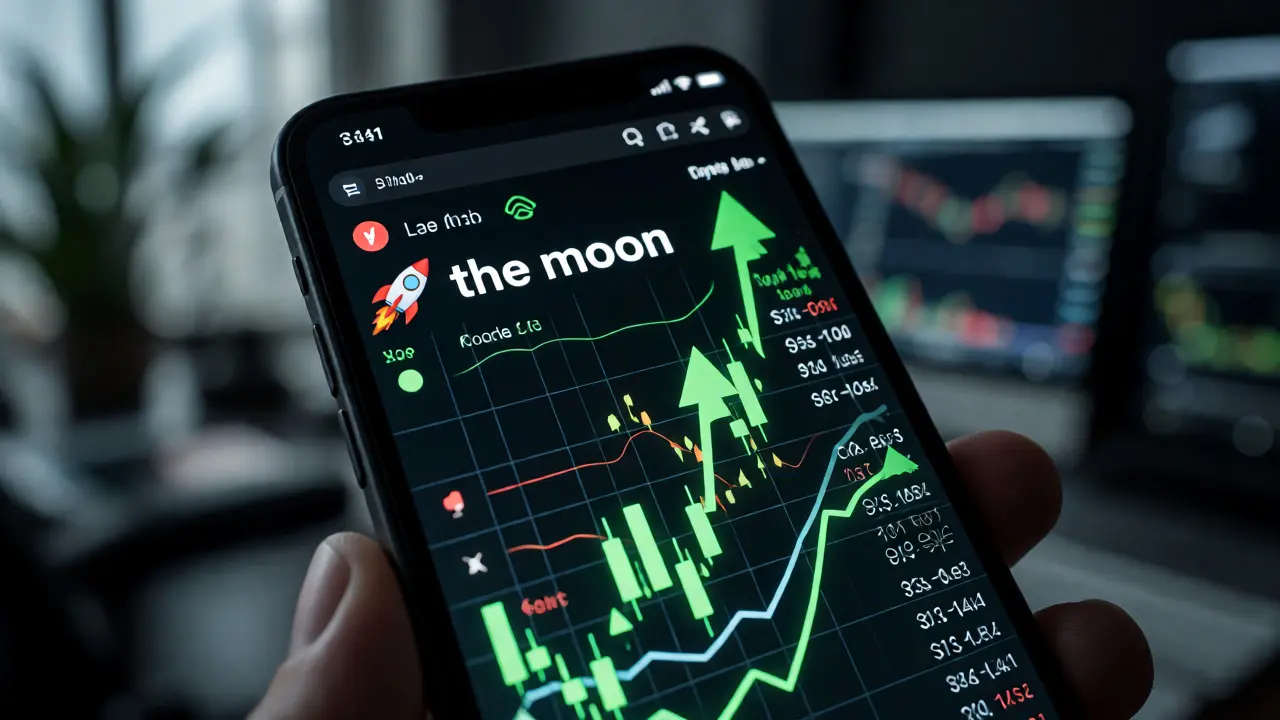
You see a token on Twitter. It has a funny name, a rocket emoji in the bio, and someone claims it’s going to the moon by Friday. You buy in. Two days later, you try to sell, but the button is greyed out, or the price has dropped 99%. Welcome to the world of shitcoins. This isn’t just slang; it’s a warning label for assets that often lack utility, have weak development, or are outright traps designed to take your money.
The term "shitcoin" is subjective. A coin can be speculative and fail without being a scam. But many tokens launched every day are specifically engineered to mislead buyers. The line between a bad investment and a fraud is blurry, but knowing where it lies saves you money. In 2024 alone, over 2 million new tokens launched. Most failed. Some were stolen from. Here is how to spot the difference before you connect your wallet.
What Actually Makes a Token a Shitcoin?
A shitcoin is typically an alternative cryptocurrency (altcoin) with little to no durable utility. It might have poor liquidity, exaggerated marketing, or a team that disappears overnight. Unlike Bitcoin or Ethereum, which have established networks and use cases, these tokens often exist solely to be traded.
Creating one is incredibly easy. Developers don’t need to build a new blockchain. They can deploy a smart contract on existing networks like Ethereum, BNB Chain, or Solana. With a few clicks and a small amount of initial liquidity, a token goes live. This low barrier to entry means thousands of projects launch daily, many of which are copycats or outright scams.
The critical distinction is intent. A legitimate project might fail due to poor execution or market conditions. A scam project is designed from the start to extract value from retail investors through manipulation, theft, or deception. Understanding this difference is your first line of defense.
The Common Ways Scams Happen
Scammers use specific mechanics to trap buyers. Recognizing these patterns helps you avoid losing funds.
- Rug Pulls: This is when developers remove liquidity from the trading pool, sell their large holdings, or abandon the project. Holders are left with worthless tokens they cannot sell because there is no market depth. Chainalysis reported that approximately 94% of suspected pools in 2024 were rugged by the same address that created them.
- Honeypots: A honeypot is a token you can buy but cannot sell. The smart contract contains malicious code that restricts selling only to whitelisted addresses (usually the developers). You watch your balance grow on paper, but you can never cash out.
- Pump-and-Dumps: Promoters hype a token on social media, attracting buyers who drive up the price. Once the price peaks, insiders sell their positions, crashing the value. The SEC warns that promoters often create memecoins, advertise presales, and dump tokens before the hype fades.
- Fake Investment Platforms: These aren’t always about the token itself. Scammers create fake websites showing fabricated profits. They demand additional deposits or "taxes" before allowing withdrawals. The FTC notes that victims often discover they cannot withdraw their supposed investment after paying these fees.
The Numbers Behind the Risk
If you think this is rare, look at the data. The financial impact is massive. According to the FBI’s 2025 report, cryptocurrency-related complaints rose by 21%, with losses hitting $11.366 billion. That averages out to a loss of $62,604 per complainant. While not all of this was lost to shitcoins, investment fraud accounts for a huge chunk.
On-chain analysis paints a grim picture too. Chainalysis identified 74,037 tokens in 2024 displaying patterns linked to pump-and-dump activity. On Solana’s Pump.fun platform, Solidus Labs found that nearly 98.6% of tokens collapsed into suspected pump-and-dump schemes. These aren’t just outliers; they represent the dominant behavior of newly launched micro-cap tokens.
| Metric | Value | Source |
|---|---|---|
| New Tokens Launched (2024) | 2,063,519 | Chainalysis |
| Tokens with Pump/Dump Patterns | 74,037 (3.59%) | Chainalysis |
| Total Reported Losses (2025) | $11.366 Billion | FBI |
| Average Loss Per Complaint | $62,604 | FBI |
Your Pre-Purchase Checklist
Never buy based on a ticker symbol or a tweet alone. Scammers create copycat tokens with identical names. Always verify the exact contract address. Here is a practical workflow to vet a token before spending significant funds.
- Verify the Contract Address: Go to the project’s official website. Copy the contract address. Paste it into a block explorer like Etherscan or Solscan. Ensure the address matches exactly. One wrong character means you’re buying a different token.
- Check Liquidity Locks: Look at the liquidity pool. Is it locked? Who holds the liquidity provider (LP) tokens? If the developer holds the LP tokens, they can withdraw the liquidity and run. Use tools like GoPlus or TokenSniffer to check lock status and expiry dates.
- Analyze Tax Rates: Check the buy and sell taxes. High taxes (e.g., 10%+) are red flags. More importantly, check if the tax rate is mutable. If the owner can change the tax to 99% after you buy, you’re trapped.
- Inspect Holder Distribution: Look at the top holders. If one or two wallets hold more than 20-30% of the supply, they control the price. Ideally, ownership should be distributed. Also, check if the deployer wallet has sent large amounts to exchanges or mixers recently.
- Simulate a Sale: Before committing big money, buy a tiny amount. Try to sell it immediately. If the transaction fails or takes too long, it might be a honeypot. Note that a successful small test doesn’t guarantee safety, as contracts can behave differently for larger transactions or new wallets.
Red Flags in Marketing and Team
Marketing tells you what a project wants you to believe. Behavior tells you the truth. Be skeptical of promises that sound too good to be true.
Guaranteed Returns: No legitimate crypto asset guarantees profit. If a whitepaper promises 10x returns in a month, it’s a scam indicator. The FTC explicitly states that promises of rapid wealth are major warning signs.
Anonymous Teams with No Code: An anonymous team is common in crypto, but it becomes risky if there is no public GitHub repository. Look for meaningful commit history. If the code hasn’t been touched in months, or if the repo is empty, development is likely stalled or non-existent.
Urgency and FOMO: Phrases like "Presale almost sold out!" or "Buy now or miss the moon!" are pressure tactics. Scammers rely on you acting fast without doing due diligence. If you feel rushed, stop and investigate.
Influencer Endorsements: Just because a popular YouTuber or Twitter personality promotes a coin doesn’t mean it’s safe. Many influencers are paid to shill, or they bought in early and need exit liquidity. Verify partnerships independently; don’t trust a screenshot of a logo.

Real-World Example: SafeMoon
You might remember SafeMoon. It had a massive community, celebrity endorsements, and exchange listings. It looked solid. However, in November 2023, the U.S. Department of Justice charged executives with securities fraud and money laundering. By May 2025, CEO Braden John Karony was convicted on all counts. He was sentenced to 100 months in prison in February 2026.
This case illustrates a key lesson: popularity does not equal safety. Large communities and strong branding can mask underlying issues like custody risks, lack of transparency, and questionable financial disclosures. Always verify the substance behind the hype.
Protecting Your Wallet
Even if the token is legit, interacting with unknown smart contracts carries risk. Malicious approvals can drain your wallet.
- Use a Separate Wallet: Never use your primary hardware wallet for experimental tokens. Create a fresh hot wallet for shitcoin trading. Keep only the funds you are willing to lose in this wallet.
- Revoke Approvals Regularly: When you buy a token, you often approve the contract to spend your USDT or ETH. If you forget to revoke this approval, a malicious contract could theoretically access your funds later. Use tools like Revoke.cash to manage permissions.
- Beware of Blind Signing: Don’t blindly sign transactions. Read what the wallet asks you to approve. If it asks for unlimited allowance, be cautious.
- Verify URLs: Phishing sites look identical to real ones. Bookmark official sites. Check the domain spelling character by character.
If you suspect a scam, act fast. Disconnect the site, revoke approvals, and move unaffected assets to a new wallet. Remember, crypto transactions are irreversible. Recovery services asking for upfront fees are often secondary scams.
Regulation and Community Sentiment
Regulations like the EU’s Markets in Crypto-Assets (MiCA) require whitepapers and market-abuse rules. However, compliance varies by jurisdiction and token type. A MiCA-compliant whitepaper doesn’t make a bad investment good, nor does it prevent all fraud.
Community sentiment on Reddit, Discord, or Telegram can provide leads. Look for complaints about withdrawal issues or blocked sells. But treat these as hints, not proof. Ratings and testimonials are easily manipulated by bots and paid shills. Use community chatter to guide your on-chain investigation, not to replace it.
Ultimately, avoiding scam cryptocurrencies is about rejecting unverifiable opportunities. If you can’t verify the contract, the liquidity, or the team’s track record, walk away. The only safe amount to invest in shitcoins is money you can afford to lose completely.
Is every shitcoin a scam?
No. A shitcoin is simply a low-quality or highly speculative altcoin. Many shitcoins are legitimate projects that fail due to poor execution or lack of adoption. However, a significant portion are scams designed to steal funds. The term describes quality and risk, not necessarily fraudulent intent, though the two often overlap.
How do I know if a token is a honeypot?
A honeypot allows buying but blocks selling. You can check this using security scanners like GoPlus or TokenSniffer, which analyze the smart contract for restrictions. Alternatively, simulate a small purchase and attempt to sell it immediately. If the sell transaction fails or reverts, it is likely a honeypot.
Does a liquidity lock guarantee safety?
No. A liquidity lock prevents developers from withdrawing the liquidity pool for a set period, reducing immediate rug-pull risk. However, insiders may still sell their own token allocations, crash the price, or exploit other contract vulnerabilities. A lock is a positive signal, but not a guarantee against all forms of manipulation.
Can audits prevent scams?
Audits identify coding vulnerabilities and technical flaws. They do not verify business honesty, team identity, or economic design. A project can pass an audit and still execute a pump-and-dump scheme. Audits are necessary for technical safety but insufficient for evaluating overall project integrity.
What should I do if I get scammed?
Immediately revoke any active token approvals using a tool like Revoke.cash. Move remaining funds to a new, secure wallet. Report the incident to relevant authorities like the FTC or Action Fraud. Be wary of recovery services that ask for upfront fees, as they are often secondary scams targeting victims again.
