
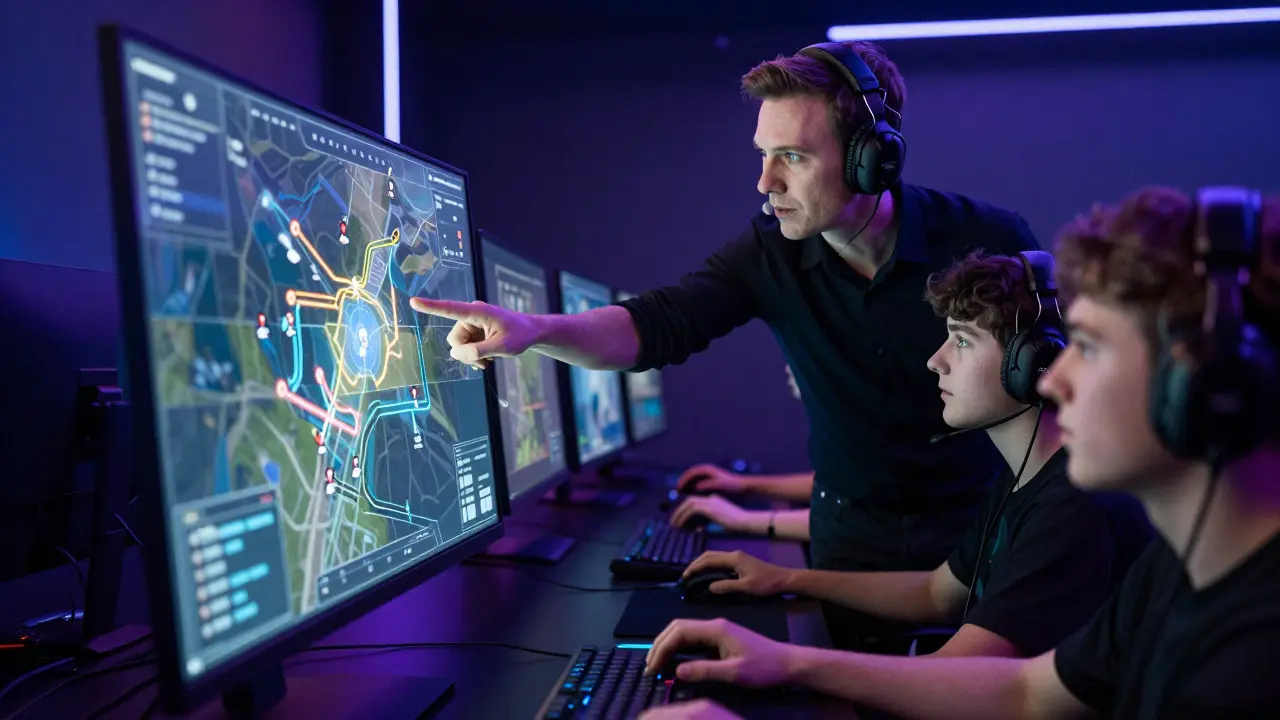
You watch a top-tier match. One team is down two rounds, morale is low, and the chat is filled with blame. Then, something shifts. They stop playing for themselves and start executing a synchronized plan. They win. What changed? It wasn’t just better aim; it was better coaching.
For years, esports relied on raw talent and endless grinding. That era is over. Today, professional organizations treat competitive gaming like traditional sports. They hire analysts, psychologists, and strategists. If you want to step into this industry as a coach, you need more than just high rank. You need an esports coaching course that teaches you how to deconstruct games, manage egos, and build winning systems.
This guide breaks down what a serious coaching curriculum looks like in 2026. We’ll cover the three pillars of modern coaching: strategic theory, data-driven analysis, and the delicate art of team dynamics. Whether you’re aiming to coach a semi-pro squad or start your own academy, here is what you need to know.
The Shift from Player to Coach
Being a good player does not make you a good coach. In fact, it can sometimes hinder you. Players are trained to react instinctively. Coaches are trained to think critically about why those instincts work-or fail. The transition requires a fundamental shift in mindset.
In a professional coaching certification program, you learn to detach from the controller. Instead of asking "How do I kill that enemy?", you ask "What information did we lack that led to this death?" This objective perspective is the foundation of all strategic coaching.
Most entry-level courses begin with the psychology of leadership. You aren't just teaching mechanics; you are managing young adults who often face burnout, public scrutiny, and intense pressure. A key module usually covers communication styles. How do you deliver critical feedback to a star player without causing them to shut down? How do you motivate a struggling rookie without demoralizing the rest of the roster?
Effective coaches act as filters. During a match, the players are overwhelmed with sensory input. The coach’s job is to provide clarity, not noise. This means learning when to speak and, more importantly, when to stay silent. Courses emphasize active listening techniques derived from organizational psychology, helping you read the emotional temperature of the team during scrims (practice matches).
Mastering Game Theory and Macro Strategy
Strategy in esports isn't just about picking strong characters. It’s about resource management, map control, and timing windows. A robust coaching curriculum dives deep into game theory-the mathematical study of decision-making between rational agents.
You will learn to identify meta-shifts before they become obvious. For example, in tactical shooters like Valorant or Counter-Strike 2, the economy is as important as the gunfight. A coach must teach teams when to save, when to force-buy, and how to manipulate the enemy’s economy. These concepts are taught through case studies of historical matches where economic mismanagement led to defeat despite superior aim.
In MOBA titles like League of Legends or Dota 2, macro strategy involves objective timing and wave management. Courses often use simulation exercises where students must predict enemy movements based on limited vision data. This trains pattern recognition, a skill that separates amateur observers from professional analysts.
A crucial part of this training is drafting. Understanding synergy between champions or agents is vital. You learn to counter-pick not just based on stats, but based on the specific playstyles of the opposing players. Does the enemy support player rely on aggressive engages? Then you draft peel-heavy compositions. This level of detail is what defines a professional preparation phase.
Data Analytics and VOD Review Techniques
If strategy is the brain, data is the eyes. Modern esports coaching is heavily reliant on analytics. Gone are the days of vague advice like "play more aggressively." Today, you need numbers to back up your claims.
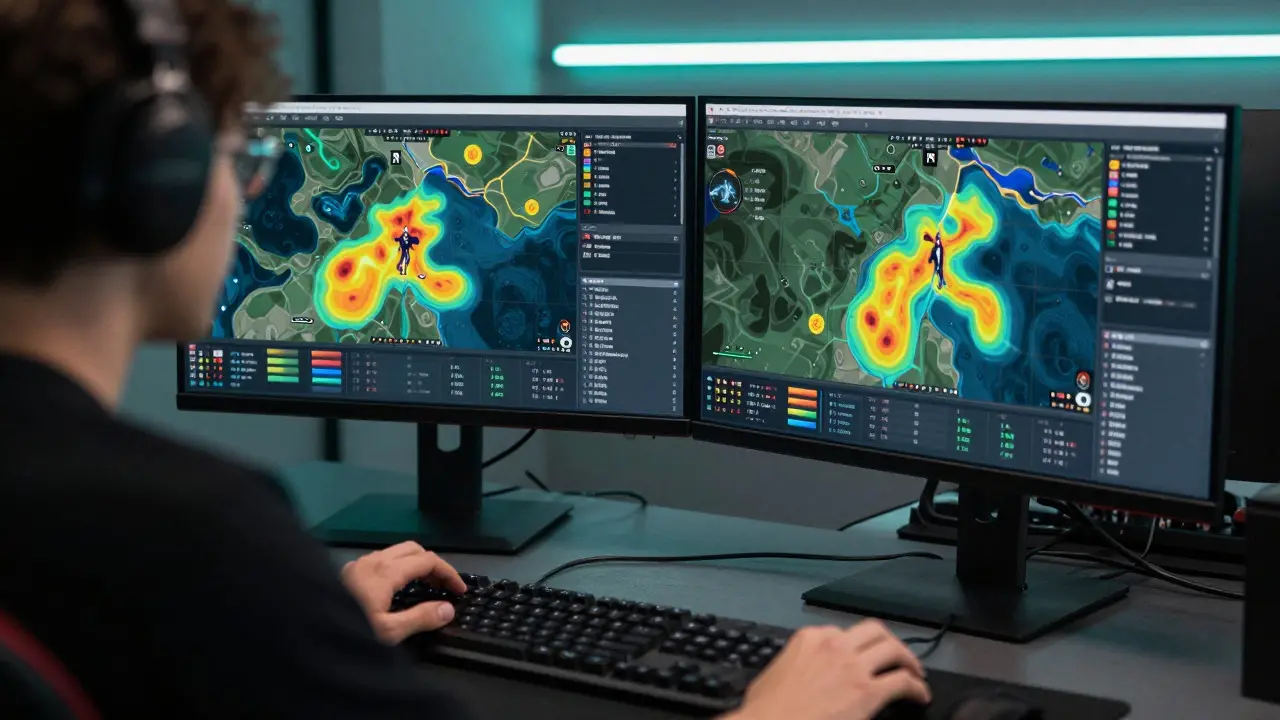
A standard VOD review session (Video on Demand) is structured around specific metrics. Coaches learn to use tracking software to visualize heatmaps, damage per second (DPS), and positioning errors. For instance, if a team consistently loses fights near a specific choke point, the heatmap will show clustering behavior. The coach then designs drills to break that habit.
Analytics also help in identifying individual player weaknesses. Maybe a player has great aim but poor crosshair placement. Or perhaps they hesitate too long in decision-making moments. Data provides an objective baseline for improvement. Without it, coaching becomes subjective and prone to bias.
Courses teach you how to create actionable reports. A report shouldn't just list errors; it should propose solutions. For example: "Player X missed 40% of their shots in close quarters. Recommendation: Implement daily reflex training using Aim Lab scenarios focused on flick shots." This bridge between data and practice is where real progress happens.
| Metric | Definition | Coaching Application |
|---|---|---|
| K/D/A Ratio | Kills, Deaths, Assists average | Measures individual impact and survival rate |
| Economy Efficiency | Gold/credits spent vs. value gained | Identifies wasteful purchases or saving mistakes |
| Objective Control Time | Duration held on key map points | Shows map dominance and rotation effectiveness |
| Communication Frequency | Number of voice calls per minute | Indicates engagement levels and potential noise clutter |
Building Cohesion Through Teamplay Drills
Talent wins rounds; teamwork wins championships. No matter how skilled five individuals are, if they don't function as a unit, they will lose to a cohesive team. This is where the "Teamplay" portion of the course becomes critical.
Coaches design specific drills to foster synchronization. These aren't just free-for-all matches. They are structured scenarios designed to test coordination under pressure. For example, a "blind execute" drill might require a team to breach a site without any prior vision, relying entirely on pre-called timings and trust in each other's positions.
Another common exercise is role reversal. Asking a sniper to play support, or a tank to play carry, helps players understand the pressures and perspectives of their teammates. This builds empathy and reduces internal conflict. When a player understands how hard it is to hold a lane alone, they are less likely to blame their laner for dying.
Non-verbal communication is also trained. In loud tournament environments, voice comms can get chaotic. Teams develop shorthand codes and hand signals. A good coach instills these habits early, ensuring that communication remains clear even when emotions run high.
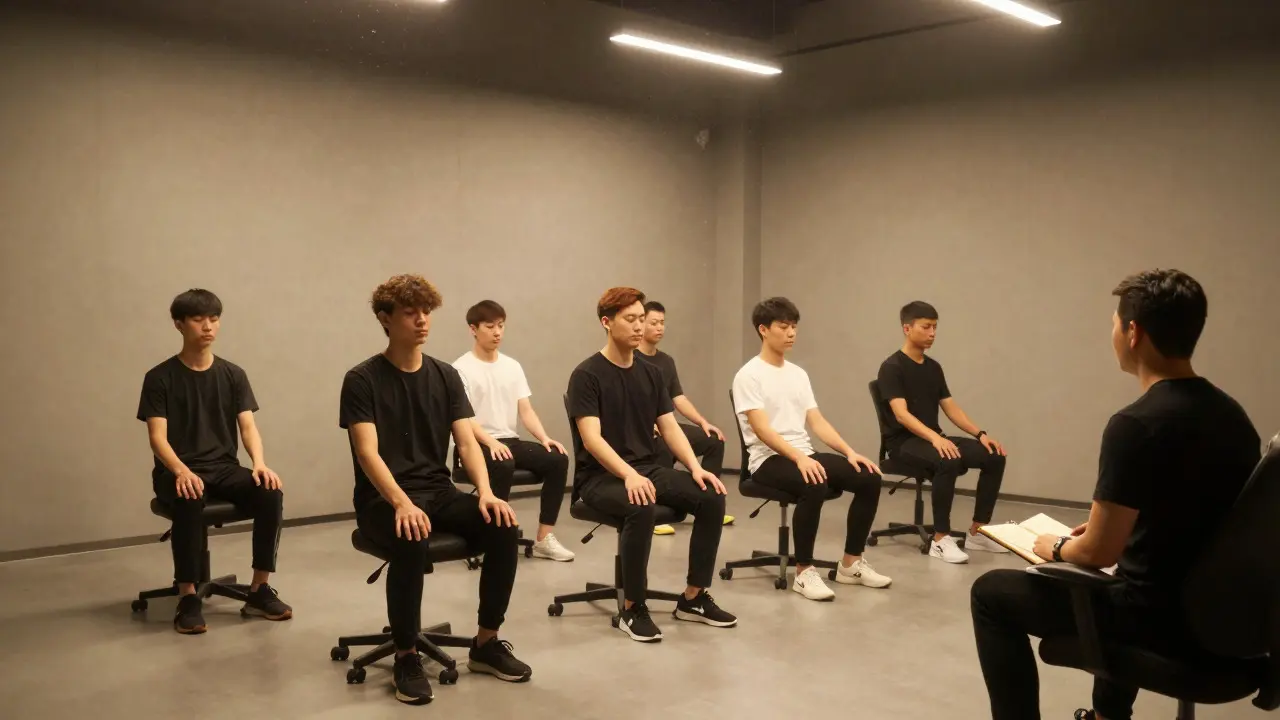
Conflict resolution is another hidden pillar of teamplay. Disagreements are inevitable. A coaching course teaches mediation techniques to resolve disputes quickly and constructively. The goal is to turn conflict into a catalyst for better strategy, rather than a source of toxicity.
Choosing the Right Certification Path
Not all online courses are created equal. With the rise of esports education, many platforms offer certificates that hold little weight in the industry. To stand out, you need to look for programs that offer practical experience and recognized credentials.
Look for courses that include mentorship from active or former pro coaches. Theory is useful, but hearing war stories from someone who has coached at Worlds or Majors adds invaluable context. Check if the curriculum includes access to proprietary analytics tools. If you’re only learning with free, basic trackers, you may be behind the curve.
Also, consider the community aspect. Does the course provide a network of peers? Networking is huge in esports. Many coaching jobs are filled through referrals. Being part of a cohort of aspiring coaches can lead to internships or assistant roles with larger organizations.
Beware of courses that promise "instant success." Coaching is a craft that takes time to hone. Legitimate programs will emphasize continuous learning and adaptation, reflecting the ever-changing nature of the games themselves.
Practical Application: Your First Scrim
Once you’ve completed your coursework, the real test begins: applying your knowledge in live scenarios. Your first few sessions with a team will feel awkward. You’ll have plans, but reality rarely follows a script.
Start small. Don’t try to overhaul the entire team’s style overnight. Pick one specific issue-maybe their late-game decision-making-and focus solely on that for a week. Track the results. Did they make fewer panic buys? Did they stick to the plan longer?
Document everything. Keep a journal of what worked and what didn’t. This reflection process is how you grow as a coach. Over time, you’ll develop your own philosophy and toolkit, blending the strategies you learned with your unique insights.
Remember, the best coaches are lifelong students. Games update, metas shift, and new talents emerge. Stay curious, keep analyzing, and always prioritize the growth of your players above your own ego.
Do I need to be a pro player to become an esports coach?
No, you do not need to be a professional player. While high-level experience helps with credibility, coaching is a separate skill set focused on strategy, psychology, and analysis. Many successful coaches were never pros but excelled at understanding game mechanics and team dynamics.
What software do I need for esports analysis?
You will need reliable VOD review tools like Replay Analyzer or game-specific trackers. For deeper data, platforms like Blitz.gg or Mobalytics offer statistical breakdowns. Professional coaches often use custom dashboards built with Python or SQL to aggregate data from multiple sources.
How long does it take to complete an esports coaching course?
Most comprehensive certification programs range from 8 to 12 weeks. However, self-paced online courses can vary. Expect to spend several hours per week on lectures, assignments, and practical VOD reviews. Continuous learning is essential after completion.
Can I coach multiple games simultaneously?
It is possible but challenging. Each game has unique mechanics and metas. Specializing in one title initially allows you to build deep expertise. Once established, you can expand to similar genres, such as moving from Valorant to Counter-Strike, due to overlapping tactical principles.
Is there a salary expectation for esports coaches?
Salaries vary widely based on the organization's tier. Entry-level coaches may earn $2,000-$5,000 monthly, while head coaches for top-tier teams can command six-figure annual salaries plus performance bonuses. Private coaching for individual players is another revenue stream.
