

You’ve spent months building a killer online course. The content is sharp, the videos are crisp, and the curriculum solves a real problem. But when you launch, silence hits. Or worse, you get a trickle of sales that don’t cover your hosting costs. You’re not alone. Most course creators treat marketing as an afterthought, relying on hope or expensive ads. There’s a smarter way: turning your existing students into your best sales team through a well-structured referral program.
Referrals aren’t just about giving away discounts. They are psychological triggers that leverage trust. People buy from people they know. When a satisfied student recommends your course to a friend, that recommendation carries more weight than any Facebook ad you could buy. In this guide, we’ll break down exactly how to design, launch, and optimize a referral system that turns casual learners into loyal advocates.
The Psychology Behind Why Referrals Work for Courses
Before you build the mechanics, you need to understand the engine. Why do referrals work so well in education? It comes down to social proof and risk reduction. Buying an online course is a leap of faith. A prospective student doesn’t know if the material will be outdated, if the instructor is engaging, or if the support is responsive. An ad says it’s great; a friend says it worked for them.
Think about your own life. When was the last time you bought something solely because of a banner ad? Probably never. But have you ever tried a restaurant, software, or class because a colleague swore by it? Likely yes. This is the power of trusted networks. For online courses, the barrier to entry is low (no physical inventory), but the perceived value must be high. A referral bridges that gap.
Furthermore, referrals create a self-sustaining loop. Happy students refer others, who become happy students, who refer others. This is often called a "viral loop." Unlike paid ads, which stop working the moment you stop paying, a viral loop can grow exponentially if the incentive structure is right. The key is making the act of referring feel effortless and rewarding for both parties.
Designing Irresistible Incentives: What Actually Motivates Students?
The biggest mistake course creators make is offering incentives that nobody wants. "Get 5% off your next purchase" is rarely enough to motivate someone to awkwardly pitch your course to their network. You need incentives that align with what your specific audience values.
Let’s look at three common incentive structures and why some fail while others succeed:
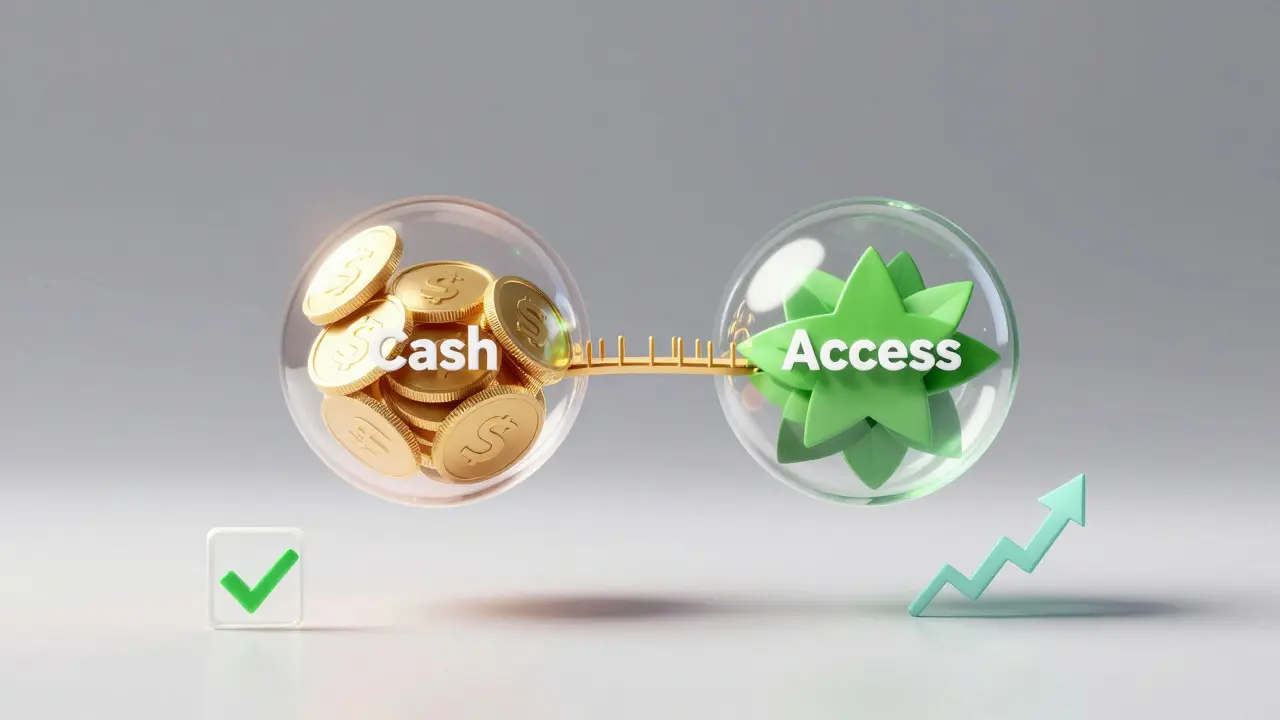
- Cash Rewards: Direct money via PayPal or Stripe Connect. This works exceptionally well for professional development courses (e.g., coding, marketing, finance). If a student refers a peer and gets $20, that’s tangible value. Platforms like ReferralCandy or Ambassador handle this automation seamlessly.
- Course Discounts/Credits: Giving the referrer a discount on future modules or a full refund of their current course fee. This is effective for multi-tiered learning paths. If you have a Beginner, Intermediate, and Advanced track, a referral credit encourages upselling within your ecosystem.
- Exclusive Access/Content: For community-driven courses, access to a private Slack channel, a monthly Q&A call, or bonus templates can be more valuable than cash. This builds deeper engagement and reduces churn.
A crucial tip: Always offer a "double-sided" reward. Both the referrer and the referee should benefit. If only the referrer wins, it feels transactional and selfish. If both win, it feels like a gift. For example: "Give your friend 20% off, and you get $20 cash." This removes friction for the person receiving the referral.
Choosing the Right Technology Stack
You don’t need to hire a developer to build a referral system, but you do need the right tools. Using a spreadsheet to track referrals manually is a recipe for disaster and lost trust. You need automated tracking, unique link generation, and instant payout notifications.
| Tool Name | Best For | Pricing Model | Key Feature |
|---|---|---|---|
| ReferralCandy | E-commerce & Course Platforms | Monthly Subscription + % of payouts | Easy integration with Shopify, WooCommerce, Teachable |
| Ambassador | SaaS & High-Ticket Courses | Tiered Monthly Plans | Advanced campaign management & leaderboards |
| GrowSurf | Viral Loops & Freemium Models | Usage-based / Enterprise | Multi-step referral campaigns & waitlist management |
| Teachable/LearnDash Native | Platform-Specific Users | Included in Platform Fee | No extra setup, but limited customization |
If you are using a major platform like Teachable, Thinkific, or Kajabi, check their native features first. Many now include basic referral widgets. However, these often lack advanced segmentation or multi-tier rewards. If your course has a high lifetime value (LTV) per student, investing in a dedicated tool like Ambassador allows you to create complex campaigns, such as rewarding top referrers with exclusive coaching sessions.
Step-by-Step: Launching Your First Campaign
Launching a referral program isn’t a "set it and forget it" task. It requires strategic timing and clear communication. Here is a proven workflow to get started:
- Identify Your Superfans: Don’t blast the announcement to everyone immediately. Start with your most engaged students. Look for those who completed all modules, left positive reviews, or were active in your community. These are your early adopters.
- Create Clear Messaging: Write email copy that focuses on the benefit to the friend, not just the reward for the student. Example: "Know someone struggling with [Problem]? Help them out with 20% off, and you’ll get $20 for your trouble."
- Place Calls-to-Action (CTAs) Strategically: Don’t hide the referral link in the footer. Place it where success happens. After a student completes a difficult module or achieves a certification, pop up a message: "Congratulations! Share your success and earn rewards."
- Automate Notifications: Ensure that when a referral converts, both parties are notified instantly. Delayed rewards kill momentum. Use email automation to send the "You’ve been referred!" email immediately upon sign-up.
- Track and Iterate: Monitor metrics like Conversion Rate (how many clicks turn into sales) and Viral Coefficient (how many new users each user brings in). If the coefficient is below 1, your program is shrinking. Aim for above 1.2 for sustainable growth.

Common Pitfalls and How to Avoid Them
Even well-intentioned programs can fail. Here are the most common traps:
Fraud and Abuse: Some students might try to game the system by creating fake accounts. To prevent this, require email verification and monitor for patterns of abuse. Most robust platforms have built-in fraud detection, but it’s worth reviewing your terms of service clearly.
Complexity Overload: If a student has to fill out a form, upload a screenshot, and wait 30 days for approval, they won’t do it. Keep it simple. One click, one link, automatic reward. Friction is the enemy of virality.
Ignoring the Post-Purchase Journey: A referral is just the start. Once the referred friend buys, ensure they have an onboarding experience that matches the hype. If the product is bad, the referrer looks foolish, and they will never refer again. Quality control is part of your referral strategy.
Measuring Success Beyond Revenue
While revenue is important, referral programs provide other valuable data. Pay attention to Customer Acquisition Cost (CAC). Typically, referred customers have a CAC near zero compared to paid ads. More importantly, referred customers tend to have higher retention rates and lower churn. They are pre-vetted by their peers, meaning they are more likely to be a good fit for your course content.
Use this data to refine your ideal customer profile. Who are your referrers bringing in? Are they from a specific industry, job title, or geographic location? Double down on marketing to those segments. Your referral program becomes a focus group for your best potential buyers.
How much should I pay for each referral?
A common rule of thumb is to offer 10-20% of the course price as a commission. For a $100 course, that’s $10-$20. If your course has a high lifetime value due to upsells, you can afford to pay more upfront. Test different amounts to see what drives the highest volume without eating all your profit margin.
Do referral programs work for free courses?
Yes, but the incentives change. Since there’s no revenue share, use non-monetary rewards. Offer exclusive content, early access to paid products, or recognition (like a "Top Referrer" badge). The goal is to build an email list or community presence that you can monetize later.
What is the best time to ask for a referral?
The best time is immediately after a "moment of delight." This could be completing a challenging module, getting a certificate, or solving a specific problem using your course material. Emotionally positive moments increase the likelihood of sharing.
Can I run a referral program alongside affiliate marketing?
Absolutely. Treat them as separate channels. Affiliates are usually external influencers or bloggers who promote for a commission. Referrals are internal, coming from your existing students. Ensure your tracking links are distinct so you don’t double-count commissions or confuse your analytics.
How do I prevent spam in my referral emails?
Provide pre-written, personalized email templates that students can easily customize. Make sure the subject lines are compelling but not clickbaity. Encourage students to add a personal note before sending. This increases deliverability and makes the referral feel genuine rather than robotic.
