

Back in 2017, you could throw money at a whitepaper with no product and watch your investment triple overnight. That was the wild west of Initial Coin Offerings, or ICOs. It was a time when regulation was an afterthought, and "trust us" was a valid business plan. Fast forward to 2026, and that era is long gone. The landscape has shifted from speculative chaos to structured, compliance-heavy ecosystems. If you are looking to launch a token today, you aren't just raising capital; you are building a digital economy.
The core problem most founders face isn't technical-it's structural. How do you distribute tokens so they don't dump on day one? How do you define value without promising equity that regulators will shut down? This guide cuts through the noise to explain how modern token launches work, focusing on the mechanics of distribution and the economics of tokenomics.
The Anatomy of a Modern Token Launch
An ICO is no longer just a website where you send Bitcoin and hope for the best. It is a complex financial instrument built on blockchain technology. At its heart, an ICO is a fundraising mechanism that issues digital tokens in exchange for cryptocurrency or fiat currency. Unlike traditional Initial Public Offerings (IPOs), which involve selling shares of a company, ICOs typically sell access to a network or service.
The process begins with defining the token's properties. You need to decide on the initial supply, maximum supply, and divisibility. Most projects using the Ethereum ecosystem stick to the ERC-20 standard, which allows for 18 decimal places. This granularity matters because it affects liquidity and trading behavior. Next, you choose your minting rules. Will new tokens be created later (mintable), or is the supply fixed? These decisions dictate the scarcity and inflation dynamics of your project.
Once the token is defined, the distribution strategy takes center stage. In the early days, teams kept huge portions of the supply for themselves, leading to massive sell-offs once vesting periods ended. Today, transparency is non-negotiable. Smart contracts now automate these distributions, ensuring that team tokens are locked up and released gradually. This builds trust and stabilizes the price post-launch.
Distribution Models: Beyond the Classic ICO
The term "ICO" is often used as a catch-all, but the methods for distributing tokens have evolved significantly. Understanding the differences between these models is crucial for choosing the right path for your project.
| Model | Description | Pros | Cons |
|---|---|---|---|
| ICO | Direct sale from project team to investors via smart contract. | Full control over terms; direct community engagement. | High regulatory risk; requires strong marketing effort. |
| IEO | Sale conducted through a centralized exchange like Binance or Coinbase. | Access to exchange user base; vetted by exchange. | High fees; less control over participant eligibility. |
| IDO | Liquidty provided directly to a decentralized exchange like Uniswap. | Decentralized; immediate tradability; lower barriers to entry. | Volatile pricing; risk of rug pulls if not audited. |
| IDO+ | Hybrid model combining IDO with launchpad features. | Structured allocation; anti-bot measures. | Complex setup; dependency on launchpad reputation. |
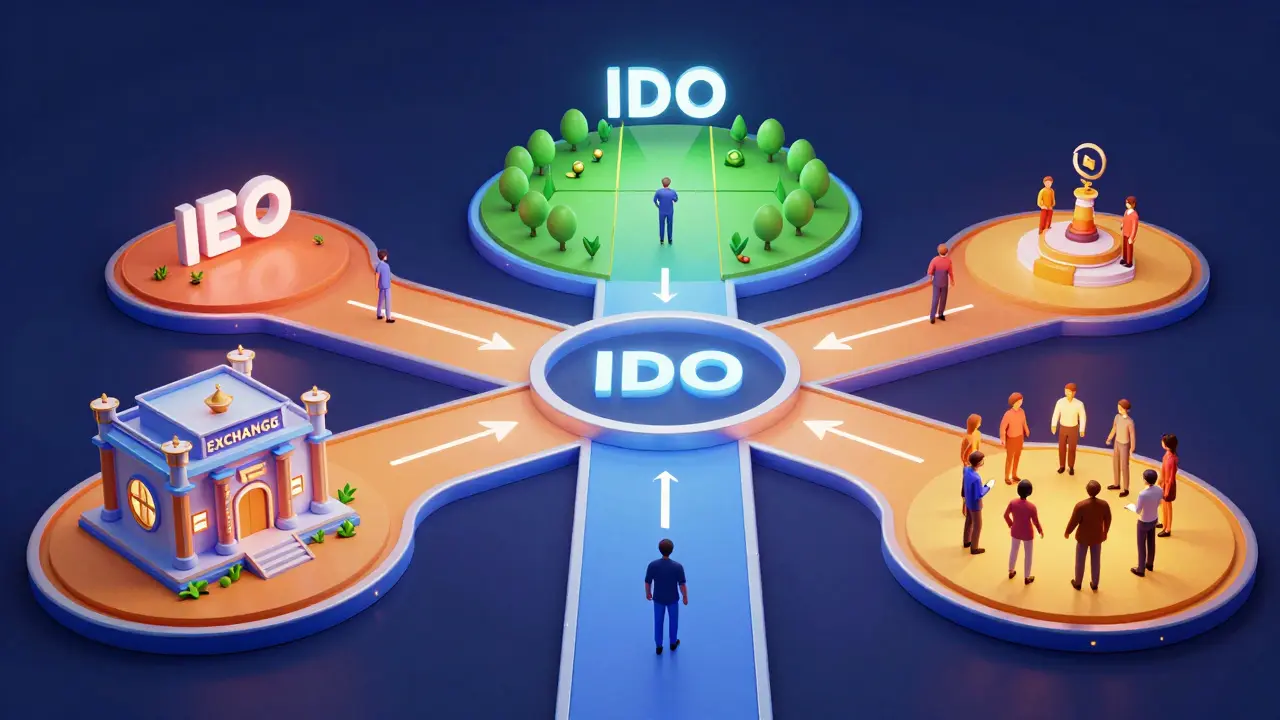
Initial Exchange Offerings (IEOs) gained popularity after the ICO boom because exchanges acted as gatekeepers. By listing on a reputable platform, projects gained instant credibility. However, this comes at a cost-exchanges take significant fees and exert control over the sale parameters. On the other hand, Initial DEX Offerings (IDOs) align better with the ethos of decentralization. Projects launch directly on platforms like Uniswap or PancakeSwap, providing liquidity immediately. This reduces friction but increases volatility, as there are fewer institutional buffers.
Tokenomics: Designing Value, Not Just Hype
Tokenomics is the economic system behind your token. It’s not just about setting a price; it’s about creating incentives that align the interests of developers, investors, and users. A poorly designed tokenomic model leads to death spirals, where holders sell faster than buyers can absorb the supply.
There are two main types of tokens: utility and security. Utility tokens provide access to a product or service. For example, a token might be needed to pay for transaction fees on a decentralized application (dApp). Security tokens, on the other hand, represent ownership or profit-sharing rights. Regulators scrutinize these heavily. In the US, the Securities and Exchange Commission (SEC) uses the Howey Test to determine if a token is a security. If your token promises profits derived from the efforts of others, it’s likely a security. This distinction dictates your legal strategy.
A robust tokenomic model includes several key components:
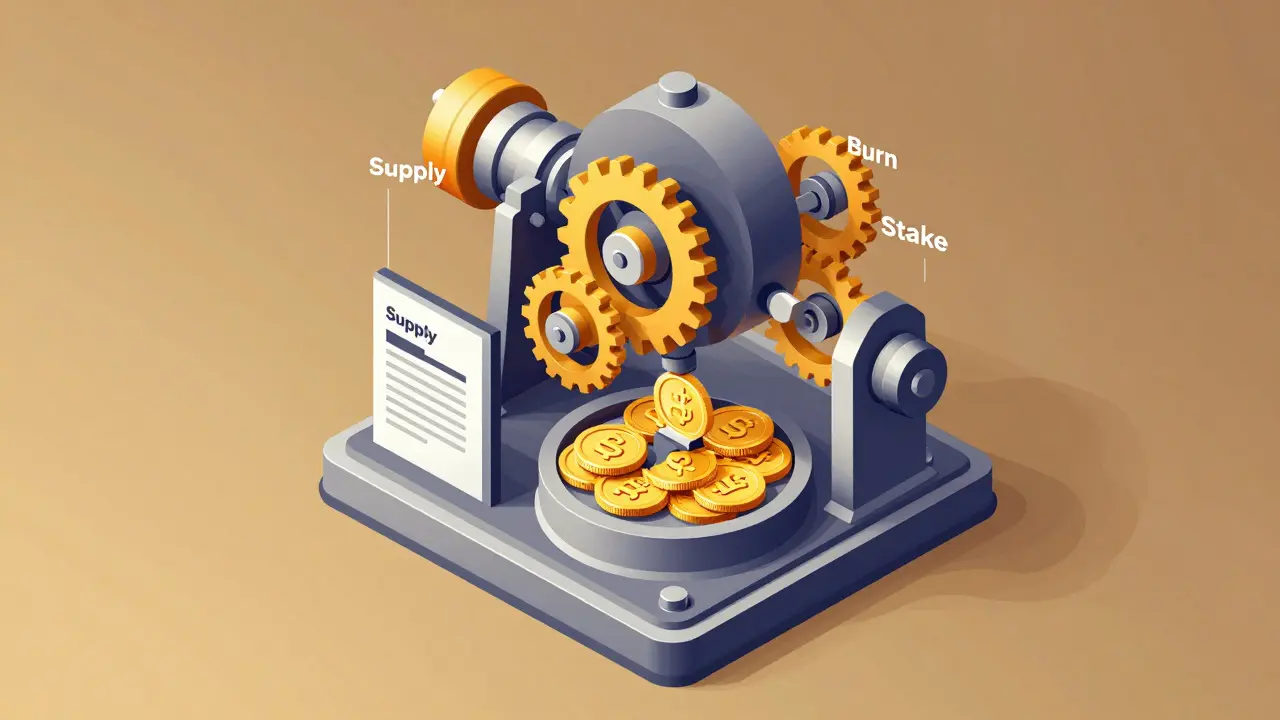
- Supply Mechanics: Define total supply, circulating supply, and inflation rates. Fixed supplies create scarcity, while inflationary models reward long-term holding.
- Burn Mechanisms: Burning tokens removes them from circulation, potentially increasing scarcity. Some protocols burn a percentage of transaction fees to support price stability.
- Staking Rewards: Encourage holders to lock up their tokens in exchange for rewards. This reduces sell pressure and secures the network.
- Governance Rights: Allow token holders to vote on protocol changes. This decentralizes decision-making and increases community engagement.
Consider the case of a DeFi lending platform. Its token might serve three purposes: paying for governance votes, earning yield when staked, and receiving a portion of protocol revenue. This multi-faceted utility creates demand from different user segments, stabilizing the market.
Regulatory Compliance: The New Normal
The days of launching without legal counsel are over. Regulatory frameworks vary wildly across jurisdictions. China banned domestic token offerings in 2017, effectively shutting down ICOs within its borders. The European Union implemented the Markets in Crypto-Assets (MiCA) regulation, providing a clear framework for issuers. In the United States, the SEC continues to enforce securities laws against unregistered offerings.
To navigate this, projects must conduct thorough KYC (Know Your Customer) and AML (Anti-Money Laundering) checks. This means verifying the identity of every investor before they can participate. While this adds friction, it protects the project from sanctions and ensures compliance with local laws. Many projects now restrict participation from certain countries to avoid legal pitfalls.
Legal counsel is not optional; it’s essential. Skipping this step can result in cease-and-desist orders, fines, or even criminal charges. Hire specialists who understand both blockchain technology and securities law. They will help structure your offering to minimize regulatory risk while maximizing investor participation.
Execution Strategy: From Whitepaper to Liquidity
Launching a token involves more than just writing code. It requires a coordinated effort across multiple channels. The average time from project initiation to ICO start is nearly 600 days, with a median of 312 days. This timeline reflects the complexity of development, auditing, and community building.
Here is a step-by-step breakdown of the execution process:
- Whitepaper Development: Clearly articulate your vision, technology, and tokenomics. Avoid jargon; make it accessible to non-technical investors.
- Smart Contract Auditing: Have independent firms audit your code to identify vulnerabilities. Security breaches can destroy trust instantly.
- Community Building: Engage with potential investors on social media, Discord, and Telegram. Transparency builds loyalty.
- Pre-Sale Allocation: Reserve tokens for early supporters, venture capitalists, and team members. Use vesting schedules to prevent dumps.
- Public Sale: Execute the sale through your chosen distribution model. Monitor for bot activity and adjust parameters if necessary.
- Listing and Liquidity: List on exchanges and provide initial liquidity. Ensure there is enough depth to handle trading volume without excessive slippage.
After the ICO, it takes an average of 93 days for firms to get listed on major exchange platforms. During this period, maintain active communication with your community. Provide regular updates on development progress and roadmap milestones.
Common Pitfalls and How to Avoid Them
Many projects fail not because of bad technology, but because of poor execution. Here are some common mistakes to avoid:
- Over-promising: Don’t promise features you can’t deliver. Under-promise and over-deliver to build credibility.
- Poor Liquidity Management: Insufficient liquidity leads to high volatility and trader frustration. Allocate sufficient funds to liquidity pools.
- Igoring Community Sentiment: Listen to feedback and address concerns promptly. A hostile community can ruin your reputation.
- Neglecting Post-Launch Support: The launch is just the beginning. Continue developing your product and engaging with users.
Remember, success in the crypto space is a marathon, not a sprint. Focus on building sustainable value rather than chasing short-term gains.
What is the difference between an ICO and an IEO?
An ICO is conducted directly by the project team, while an IEO is hosted on a centralized exchange. IEOs offer greater credibility and access to the exchange's user base but come with higher fees and less control over the sale process.
Are all tokens considered securities?
No. Utility tokens provide access to services and are generally not considered securities. Security tokens represent ownership or profit rights and are subject to stricter regulations. The classification depends on the specific characteristics and promises made by the issuer.
How long does it take to launch an ICO?
The average time from project initiation to ICO start is approximately 598 days, with a median of 312 days. This includes development, auditing, community building, and regulatory compliance.
Why is tokenomics important for a successful launch?
Tokenomics defines the economic incentives of the ecosystem. A well-designed model balances supply and demand, encourages long-term holding, and aligns the interests of stakeholders, preventing price crashes and ensuring sustainability.
What role do smart contracts play in token distribution?
Smart contracts automate the distribution process, ensuring fairness and transparency. They can enforce vesting schedules for team tokens, manage liquidity pools, and execute sales according to predefined rules without human intervention.
