
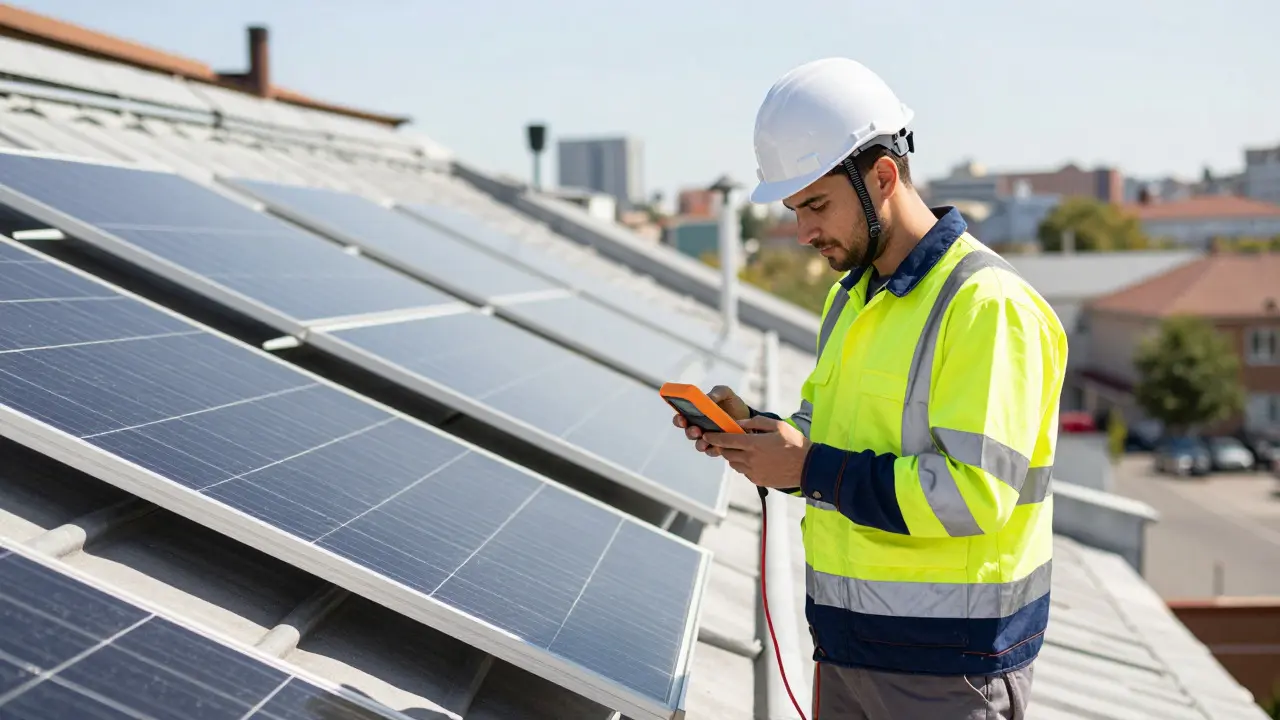
The sun hits the panels, the wind spins the turbines, and somewhere in between, a technician is making sure it all works. But getting to that point isn't just about buying a tool kit. It’s about mastering solar and renewable energy technician training that blends electrical theory with hands-on grit. If you’re looking to break into this field, you need more than enthusiasm; you need specific credentials, practical hours, and a clear understanding of what the job actually looks like on a rooftop or in a substation.
This industry moves fast. New battery technologies emerge every year, and grid codes change frequently. That means your training can’t be static. You need a path that gets you certified quickly but also sets you up for long-term growth. Let’s break down exactly how to get there, what the certifications mean, and how to choose the right program for your situation.
What Does a Solar and Renewable Energy Technician Actually Do?
Before you sign up for classes, understand the daily reality. A Renewable Energy Technician is a skilled professional responsible for installing, maintaining, and repairing systems that generate power from natural sources. This role varies significantly depending on whether you specialize in solar photovoltaics (PV), wind, or geothermal.
Solar technicians spend most of their time outdoors. They climb ladders, carry heavy inverters, and work with live electricity. Wind technicians often work at great heights in rotating towers. Geothermal technicians deal with drilling rigs and underground piping. While the tools differ, the core skill set remains consistent:
- Electrical Troubleshooting: Using multimeters and clamp meters to diagnose faults.
- Code Compliance: Knowing local electrical codes and safety standards.
- System Design Basics: Understanding string sizing, shading analysis, and load calculations.
- Customer Interaction: Explaining system performance to homeowners or business owners.
It’s not just a technical job; it’s a service job. If a homeowner complains their production is low, you’re the one who has to figure out why and explain it without jargon.
The Core Curriculum: What You’ll Learn
Quality training programs cover three main pillars: theory, code, and practice. Here’s what you should expect to master.
1. Electrical Fundamentals and Safety
You don’t need to be an engineer, but you must be electrically literate. Courses cover Ohm’s Law, series vs. parallel circuits, and AC/DC conversion. Safety is non-negotiable. You’ll learn about arc flash hazards, lockout/tagout procedures, and proper grounding. One mistake here can be fatal, so instructors drill these concepts until they’re second nature.
2. The National Electrical Code (NEC) and Local Regulations
In the US, the NEC is the bible for electrical work. For solar specifically, Article 690 covers PV systems. You need to know which wire gauges are allowed, where disconnects must be placed, and how to label equipment. Local amendments can add another layer of complexity, so good training includes case studies from different regions.
3. Hands-On Installation Techniques
This is where classroom learning meets reality. You’ll practice mounting racking systems, terminating MC4 connectors, and pulling conduit. Many programs include a capstone project where you install a small working system. This portfolio piece is gold when applying for jobs.
Certifications That Matter: NABCEP and Beyond
Certification separates the pros from the hobbyists. The most recognized credential in North America is the NABCEP Certified Photovoltaic Installation Professional (CPVIT) is the industry-standard certification for entry-level solar technicians.
Here’s how the certification landscape looks:
| Certification | Focus Area | Prerequisites | Best For |
|---|---|---|---|
| NABCEP CPVIT | Solar PV Installation | None (Entry Level) | New technicians, career changers |
| NABCEP CSE | Solar Sales & Engineering | Experience or Education | Designers, sales leads |
| OSHA 10/30 | General Construction Safety | None | All construction trades |
| EVIT (Electric Vehicle Installer Tech) | EV Charging Stations | Basic Electrical Knowledge | Technicians diversifying into EV |
Getting your NABCEP CPVIT usually requires completing an approved training course and passing an exam. The exam tests both written knowledge and practical skills. Employers look for this badge because it guarantees you’ve met a minimum standard of competence. It doesn’t make you an expert, but it makes you hireable.
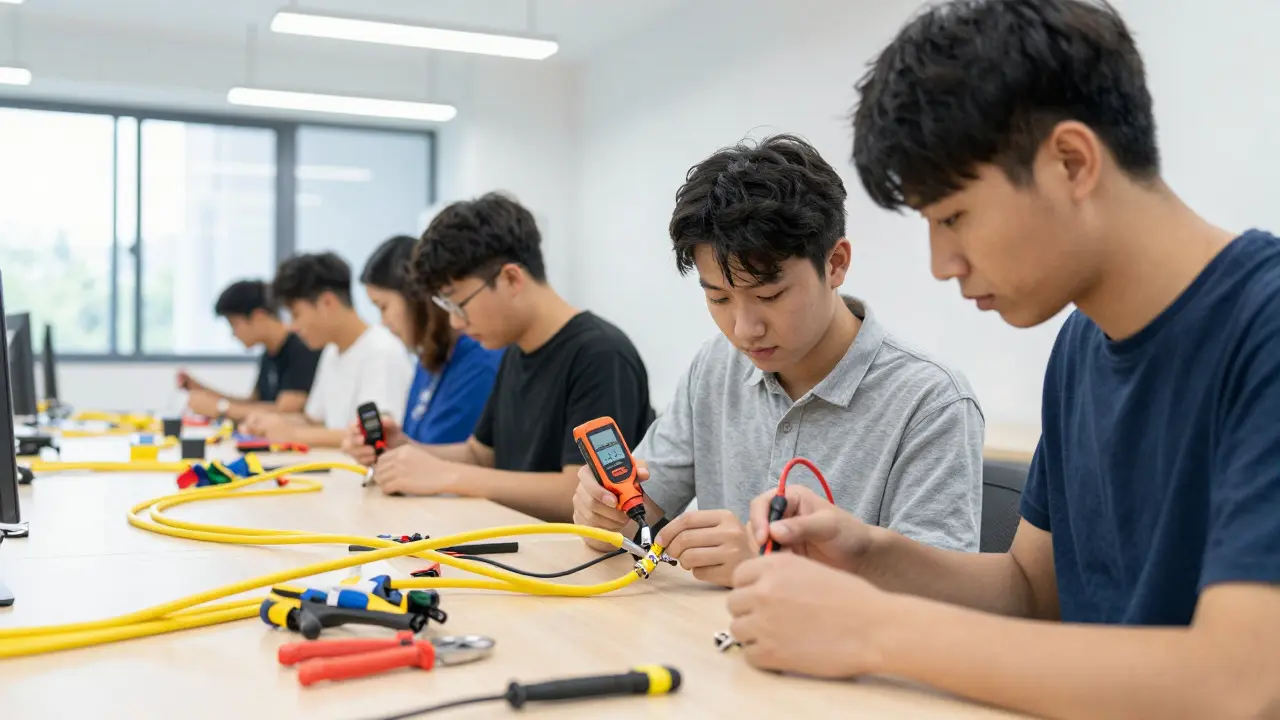
Choosing the Right Training Program
Not all courses are created equal. Some are two-week crash courses; others are six-month apprenticeships. How do you pick?
- Check Accreditation: Is the provider approved by NABCEP? If not, will their credits count toward certification? Ask directly.
- Look for Industry Partnerships: Programs that partner with local solar installers often have higher job placement rates. Ask for recent graduate employment stats.
- Evaluate Equipment: Are they using current-generation panels and inverters? Training on outdated tech wastes time. Look for brands like Enphase, SolarEdge, or SMA in their curriculum.
- Consider Format: Online theory combined with in-person labs is ideal. Pure online courses lack the muscle memory needed for physical installation.
Budget matters too. Entry-level courses range from $500 to $2,500. Apprenticeships may pay a stipend while you learn. Compare total cost against expected starting salary in your area. In many US states, solar technicians start at $18-$25 per hour, rising to over $35 with experience.
Building Your Practical Experience
Certification gets you the interview; experience gets you the job. If you’re new to the field, how do you get hours on the clock?
- Volunteer: Non-profits and community solar projects often need help with installations. It’s unpaid, but it builds your resume.
- Apprenticeships: Look for unions or large EPC (Engineering, Procurement, Construction) firms that offer formal apprenticeship tracks. These typically last 2-4 years and combine paid work with classroom study.
- Internships: Many universities offer summer internships with solar companies. Even if you didn’t major in engineering, these positions are open to motivated learners.
Document everything. Take photos of your work (with permission). Keep a log of systems you’ve touched. When you apply for jobs, show them you’ve already done the hard parts.

Career Growth and Specialization
Once you’re on the job, you can specialize. This increases your value and salary potential.
Field Service Technicians focus on maintenance and repairs. They travel to customer sites, troubleshoot issues, and perform preventive checks. This role offers stability and regular hours.
Installation Leads manage crews. You oversee a team of 3-5 technicians, handle logistics, and ensure quality control. This path leads to project management roles.
Design Engineers move away from physical labor. They use software like AutoCAD or HelioScope to design systems. This requires deeper electrical knowledge and often a degree or significant self-study.
Commissioning Specialists test systems before handover. They verify performance ratios, check data logging, and ensure warranty compliance. This is a high-detail, high-skill niche.
As the industry grows, hybrid roles are emerging. For example, technicians who understand both solar and battery storage are in high demand. Adding a Battery Storage Certification (like BSCA) can set you apart.
Common Pitfalls to Avoid
Don’t skip the safety training. It’s boring, but it saves lives. Don’t rely solely on YouTube tutorials. They’re great for visualizing techniques, but they don’t replace structured assessment. And don’t ignore soft skills. The ability to explain a complex electrical issue to a frustrated customer is as valuable as knowing how to crimp a connector.
Finally, stay updated. Join organizations like SEIA (Solar Energy Industries Association) or attend local meetups. Technology changes fast. What was best practice in 2024 might be obsolete in 2026. Continuous learning is part of the job description.
Frequently Asked Questions
Do I need a college degree to become a solar technician?
No. Most entry-level solar technician roles require only a high school diploma or GED plus relevant certification. However, a degree in electrical engineering or renewable energy can help you advance into design or management roles faster.
How long does it take to complete solar technician training?
Intensive bootcamps can be completed in 4-8 weeks. Traditional apprenticeships take 2-4 years. The time depends on whether you’re studying full-time or balancing it with other work.
Is solar technician work physically demanding?
Yes. You will lift heavy equipment, climb ladders, and work in various weather conditions. Good physical fitness is essential. Many technicians report back strain if they don’t maintain core strength and flexibility.
What is the average salary for a solar technician in the US?
As of 2026, the median annual salary ranges from $45,000 to $65,000 depending on location and experience. Experienced leads or specialists can earn over $80,000. Overtime pay is common during peak installation seasons.
Can I train for solar and wind energy at the same time?
Yes, though they are distinct fields. Many programs offer dual-track options. The electrical fundamentals overlap significantly, so having one background helps you learn the other faster. However, wind requires additional safety training for working at heights and in confined spaces.
