
Running a business in the UK can be exciting but also full of questions. One of the most common questions is: “Am I considered an SME (small or medium enterprise)?” Knowing where your company fits helps you spot the right growth chances and benefits. Midlands Business Hub makes this simple by giving straightforward answers and practical tips.
If you're wondering whether your business counts as an SME, it usually comes down to staff size and turnover. For example, if your company has fewer than 250 employees and an annual turnover below £50 million, you’re in the SME bracket. This matters because different rules, funding options, and support programs apply depending on your size.
Being an SME unlocks access to various government grants, trade support, and local business networks designed to help smaller firms grow. Whether you're planning to expand internationally or just want to improve your local presence, knowing your status helps you target the right opportunities. Midlands Business Hub offers guides and updates that keep you informed on all these fronts.
Besides size, understanding your market can make a big difference. The UK economy is fast-changing, with new trade deals and trends cropping up regularly. Keep an eye on local business news that affects your sector. This way, you won’t miss chances and can plan ahead.
Start by getting clear on where you stand: measure your turnover, count your employees, and check the rules for SMEs. Next, use resources like Midlands Business Hub to find advice tailored to your business size and goals. Explore international trade if you feel ready; small businesses often find new customers abroad and boost profits.
Networking is another key. Connect with other SMEs in your area to share insights or even form partnerships. Often, the best ideas come from talking with peers who understand your challenges. Midlands Business Hub’s community is a good place to start building these connections.
From knowing your SME status to discovering trade opportunities, staying informed is your best move. Keep checking trusted sources, ask questions, and don't hesitate to seek help. Your business can thrive with the right information and connections at hand.

Learn how to use student stories and UGC to boost course conversions through authentic marketing strategies and trust-building tactics.

Lifetime certificates may feel rewarding, but in fast-changing fields, expiring credentials ensure ongoing competence. Learn how to design certification policies that balance credibility, safety, and practicality.

Learn how account-based marketing and demand generation work together to drive real B2B revenue. Practical strategies, real examples, and what to look for in a course that actually works.

Learn how to properly handle currency conversion and global payment processing for online courses to boost international sales. Avoid hidden fees, lost sales, and compliance mistakes with practical steps and real-world examples.

Continuous improvement loops built on evaluation data turn guesswork into progress. Learn how to measure, act, and repeat-without overcomplicating things. Real teams, real results.

Corporate seat licensing with volume discounts and enterprise SKUs slashes training costs, boosts compliance, and simplifies employee learning. Discover how businesses save over 50% per learner and gain full control over training programs.

Drawdowns are inevitable in trading. Learn how to manage prolonged losses with proven strategies like diversification, position sizing, and rebalancing - and avoid the psychological traps that destroy traders.
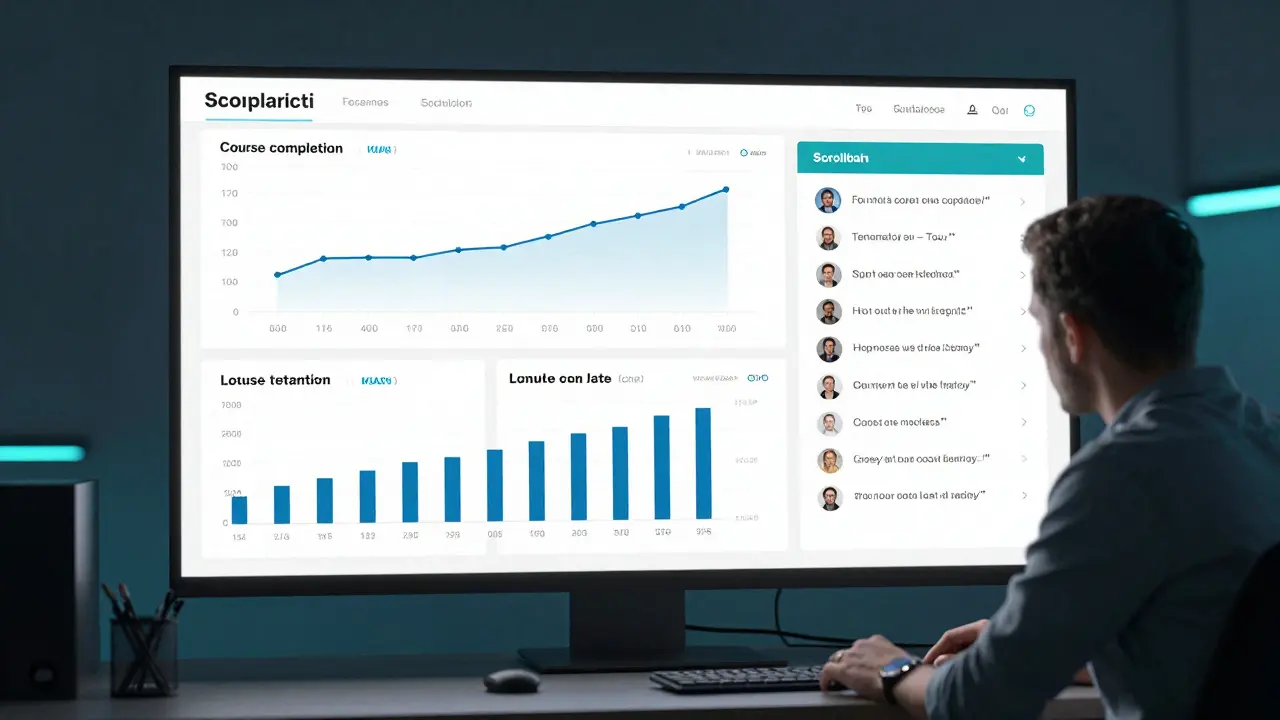
Learn how to use KPIs, dashboards, and experiments to improve business courses. Track completion, engagement, and real-world outcomes to turn static courses into growing, data-driven programs.
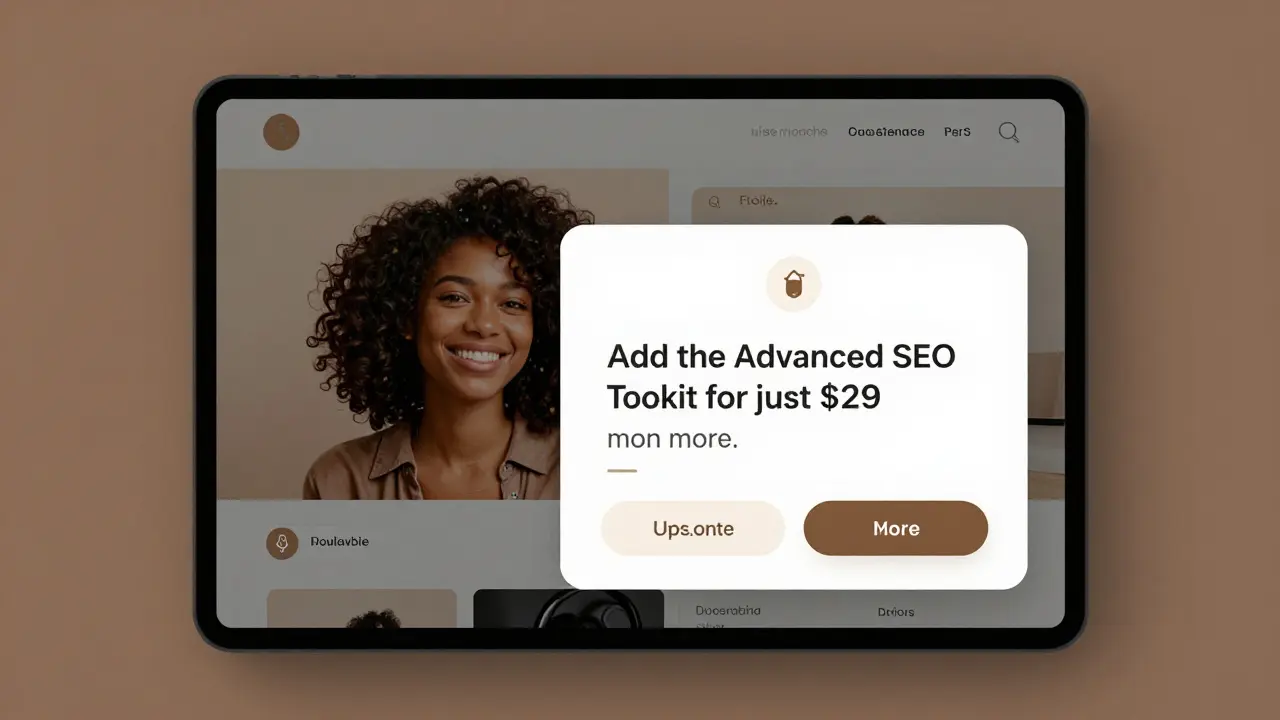
Learn how to use upsells and course bundles to increase your average order value without increasing traffic. Real strategies that boost revenue by turning single buyers into loyal students.

Pre-sale pricing lets you test demand for your course before spending weeks building it. Learn how to validate interest, set the right price, and turn early buyers into your first customers-without guessing what people want.

Why selling winning trades feels so hard-and how to overcome the psychological traps that cost investors thousands. Learn how loss aversion and the disposition effect sabotage returns, and what you can do to trade smarter.

Learn how to avoid overfitting and bias in trading strategy backtesting. Discover proven methods like walk-forward analysis, DSR, and pre-registration to build strategies that work in live markets.
© 2026. All rights reserved.